
You can often learn a baby’s sex from 10 weeks with a blood test, or around 18 to 22 weeks by ultrasound.
Knowing how early can you tell the sex of a baby depends on the test used, your pregnancy stage, and why testing is being done. Some methods provide an early answer, while others are best for checking growth and anatomy as well. This guide explains the timing, accuracy, risks, limits, and practical choices in clear terms.
How early can you tell the sex of a baby?
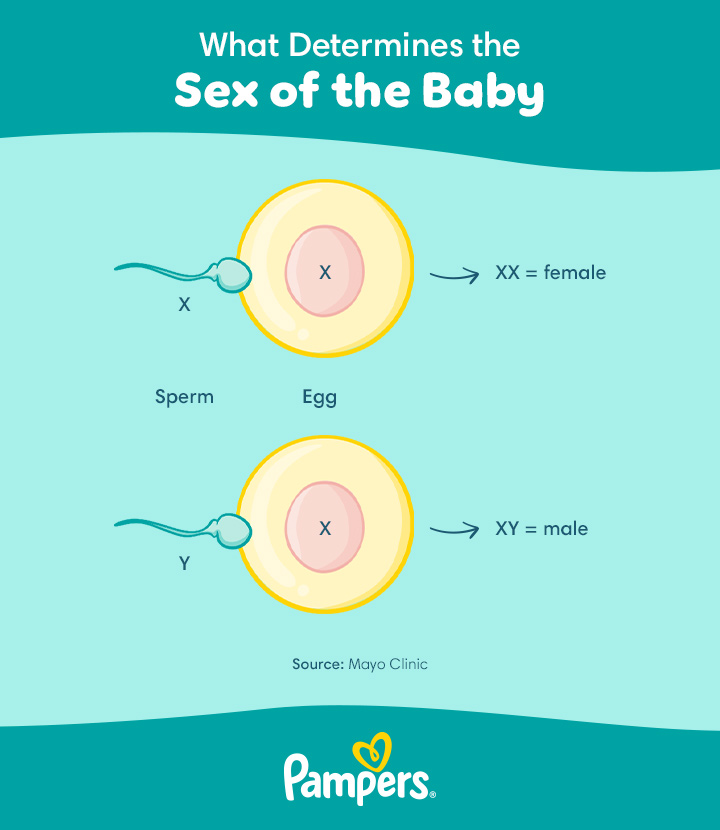
The earliest common time to find out is around 10 weeks of pregnancy. At that point, a prenatal blood test called cell-free DNA screening, or noninvasive prenatal testing, may detect sex chromosomes in the baby’s DNA found in the pregnant person’s blood.
Many people learn the result through an NIPT report. The test is mainly designed to screen for certain chromosome conditions, not simply to identify sex. Still, it can often report whether the pregnancy is likely to have XX or XY chromosomes.
The answer may come sooner through in vitro fertilization. During IVF, embryos can sometimes be tested before transfer with preimplantation genetic testing. This may identify sex chromosomes before pregnancy begins, but its use for nonmedical sex selection varies by clinic, ethics policy, and state or national law.
Here are the usual time frames:
• Around 10 weeks: NIPT may screen for sex chromosomes.
• Around 10 to 13 weeks and 6 days: Chorionic villus sampling, or CVS, can test placental tissue when medically indicated.
• Around 15 to 20 weeks: Amniocentesis can test fetal DNA in amniotic fluid when medically indicated.
• Around 14 to 16 weeks: An ultrasound may sometimes suggest fetal sex, but the view may not be reliable.
• Around 18 to 22 weeks: The anatomy ultrasound usually gives the clearest routine ultrasound opportunity.
The best answer to how early can you tell the sex of a baby is usually 10 weeks with NIPT. However, “earliest” does not always mean “best.” Each test has a different purpose, level of certainty, cost, and risk.
Which tests can reveal a baby’s sex?
Different tests answer different questions. A screening test estimates the chance of a chromosome finding, while a diagnostic test can examine fetal or placental cells more directly.
Noninvasive prenatal testing
NIPT uses a blood sample from the pregnant person. The sample contains small pieces of placental DNA, which usually reflect the baby’s DNA.
NIPT can screen for conditions such as trisomy 21, trisomy 18, and trisomy 13. It may also report the presence or absence of a Y chromosome. If a Y chromosome is detected, the pregnancy is often reported as likely male. If it is not detected, the pregnancy is often reported as likely female.
NIPT is highly accurate for common chromosome conditions, but the sex chromosome result is not perfect. The result can be affected by:
• Testing too early
• A low fetal fraction, meaning too little placental DNA in the sample
• A twin pregnancy or a vanishing twin
• A pregnancy involving a donor egg
• Placental differences from the fetus
• A laboratory or sample error
NIPT is a screening test. A surprising or unclear result should be discussed with a qualified health professional rather than treated as a final diagnosis.
Ultrasound
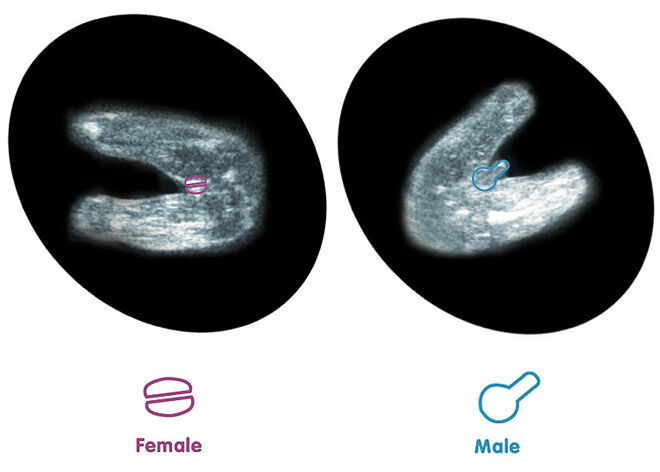
An ultrasound uses sound waves to create images of the uterus and developing baby. The external genital area may become easier to view as pregnancy progresses.
The anatomy scan is usually done between 18 and 22 weeks. It checks the brain, heart, spine, limbs, organs, placenta, and growth. Finding out the baby’s sex is only one small part of this important exam.
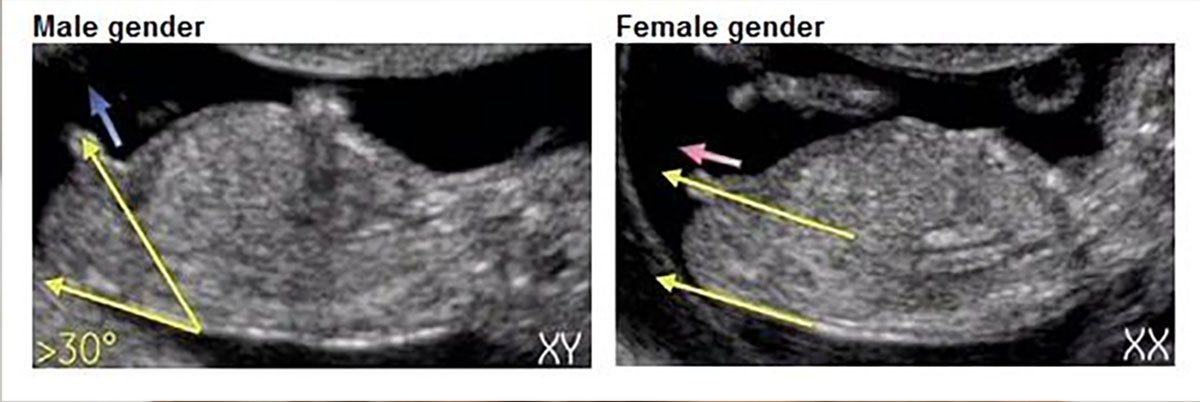
Before 16 weeks, the baby’s position and size can make the view difficult. Even later, the answer may be unclear if the legs are crossed, the baby faces away, or the image quality is limited.
Chorionic villus sampling
CVS removes a small sample of placental tissue. It is usually performed between 10 and 13 weeks and 6 days when there is a medical reason to diagnose a genetic or chromosome condition.
Because placental cells contain genetic information, CVS can reveal sex chromosomes. It is not normally performed only to find out a baby’s sex. The procedure carries a small risk of complications, including miscarriage, so its benefits and risks must be reviewed with a specialist.
Amniocentesis
Amniocentesis uses a thin needle to collect a small amount of amniotic fluid. It is generally offered from about 15 weeks onward when diagnostic testing is appropriate.
The fluid contains fetal cells that can be examined for chromosome and genetic conditions. It can also reveal sex chromosomes, but amniocentesis is not recommended solely for learning fetal sex because it is an invasive procedure.
How accurate is early sex testing?
People often ask how early can you tell the sex of a baby with complete confidence. The honest answer is that no early method is perfect, although some are very accurate when used at the right time.
NIPT tends to become more dependable after 10 weeks, especially when the blood sample contains enough fetal DNA. Research shows that cell-free DNA screening can identify fetal sex with very high accuracy, often above 99% in suitable pregnancies. Still, the exact result depends on the laboratory, the test design, and the pregnancy.
Ultrasound accuracy varies more. Around 12 to 14 weeks, an experienced sonographer may make an educated prediction, but it can be wrong. Accuracy generally improves as the baby grows and the anatomy becomes easier to see.
A test result can also be misunderstood. “Male” and “female” results refer to sex chromosome patterns, not a child’s future gender identity. Sex development can involve variations that are not visible on a routine test. Your health care team can explain an unexpected result with care and privacy.
A useful way to think about testing is this:
• Screening is like a weather forecast. It gives a strong estimate but can still be wrong.
• Diagnostic testing is more like checking the actual instrument. It provides more direct information but may involve risks.
• Ultrasound is like looking through a moving window. The image can be clear, but the baby’s position matters.

What can affect the timing and result?
The answer to how early can you tell the sex of a baby may change based on personal and medical factors. A test that works well for one pregnancy may not work as well for another.
Pregnancy timing
Testing too early can lead to a “no result” report. This often happens because the blood sample does not contain enough placental DNA. Your provider may recommend waiting and repeating the test.
Pregnancy weeks are counted from the first day of the last menstrual period, not from conception. If the due date changes after an ultrasound, the testing schedule may change too.
Fetal fraction
Fetal fraction is the amount of placental DNA in a blood sample. It can be lower early in pregnancy and may also be affected by body weight, certain medicines, and the health of the placenta.
A low fetal fraction does not automatically mean something is wrong. It may simply mean that the test needs to be repeated later.
Twins and vanishing twins
Twin pregnancies can make interpretation more complex. One twin may have a Y chromosome while the other does not. A vanishing twin can also leave DNA behind for a period of time and confuse the result.
Ask whether the laboratory has experience with twin pregnancies before ordering a test. Your prenatal provider can explain which results the test can and cannot provide.
Baby’s position during ultrasound
Ultrasound depends on what the sonographer can see. A baby who keeps the legs together, turns away, or moves often may make sex difficult to identify.
This is common and usually not a health concern. Sometimes a later scan provides a better view.
Lab and sample issues
Rarely, a sample may be mislabeled, contaminated, or processed incorrectly. This is one reason to use an accredited laboratory and review results with a licensed clinician.
Home blood tests and online gender prediction kits may not have the same quality controls as clinical testing. Be cautious of products that promise certainty without explaining their limits.

Medical reasons for learning sex chromosomes early
For many families, the result is mainly a way to plan, share news, or choose a name. For others, sex chromosome information may have medical importance.
Some inherited conditions are linked to the X chromosome. If a family has a known history of an X-linked condition, early testing may help doctors discuss options and arrange specialist care.
Sex chromosome differences can also affect prenatal counseling. A screening result does not diagnose a condition, so follow-up may be needed if the result is unexpected.
Your provider may recommend genetic counseling when:
• There is a known inherited condition in the family.
• A screening test reports an unusual sex chromosome pattern.
• An ultrasound shows a difference in genital development.
• The pregnancy involves twins or a vanishing twin.
• A previous pregnancy had a genetic or chromosome condition.
Genetic counseling is not a sign that something is wrong. It is a chance to review information calmly, understand uncertainty, and decide whether more testing is useful.

Choosing the right way to find out
When deciding how early can you tell the sex of a baby, begin with the reason you want the information. If you are already having NIPT for chromosome screening, the sex result may be included. If you want a routine health check, the anatomy ultrasound is often the natural choice.
Consider these questions before testing:
What is the main purpose of this test?
Is it a screening test or a diagnostic test?
How accurate is it at my current stage of pregnancy?
What happens if the result is unclear?
Will the result affect my medical care?
Does my insurance cover the test?
How will the result be shared and stored?
Do I want to know the result, or would I prefer a surprise?
Some parents prefer to learn early and prepare a name or nursery. Others want to wait for the ultrasound or birth. Neither choice is better. The right choice is the one that fits your values and helps you feel informed rather than pressured.
A practical lesson from prenatal care is to avoid making major decisions based on one uncertain result. Confirm unexpected findings with your care team, and remember that fetal sex does not define a child’s personality, interests, or future identity.

Common mistakes to avoid
Searching how early can you tell the sex of a baby can bring up many claims, but not all of them are reliable. Old pregnancy myths can be fun, yet they cannot determine fetal sex.
Common examples include:
• The shape or height of the belly
• Fetal heart rate
• Cravings for sweet or salty foods
• Skin changes
• The way a pregnant person carries the baby
• Chinese gender charts
• Ring or pendulum tests
None of these methods has strong medical evidence. They may produce a correct guess about half the time, which is no better than chance.
Another mistake is treating NIPT as a complete diagnostic test. It is a powerful screening tool, but it does not examine every genetic condition and does not replace a detailed ultrasound.
It is also wise to check whether a clinic is using a clinical laboratory with proper oversight. Ask who reviews the report, what happens after a failed test, and whether a genetic counselor is available.
Frequently Asked Questions
How early can you tell the sex of a baby with a blood test?
You can often learn the likely sex from NIPT starting at about 10 weeks of pregnancy. The test is a screening method, so an unclear or unexpected result should be reviewed with a health professional.
Can you find out the baby’s sex at 12 weeks?
Sometimes an ultrasound at 12 weeks can suggest fetal sex, but the result may not be reliable. NIPT is usually more accurate at this stage if enough placental DNA is present.
Is a 10-week blood test always accurate?
No test is always accurate. NIPT is highly accurate in many pregnancies, but low fetal fraction, twins, a vanishing twin, placental differences, and rare laboratory issues can affect the result.
When can an ultrasound show the baby’s sex?
An ultrasound may provide a clue around 14 to 16 weeks, but the anatomy scan at 18 to 22 weeks usually offers a clearer view. Baby position and image quality still affect accuracy.
Can CVS or amniocentesis tell the baby’s sex?
Yes, both tests can examine sex chromosomes. However, they are invasive diagnostic procedures and are generally used for medical reasons, not only to discover fetal sex.
Do home gender test kits work?
Some home tests claim to detect fetal sex from urine or blood, but their accuracy and quality controls vary. A clinical test ordered through a qualified provider is a safer source of dependable medical information.
Is fetal sex the same as gender?
No. Fetal sex usually refers to biological traits and sex chromosomes observed or tested before birth. Gender is a person’s identity and may not be known from prenatal testing.
Conclusion
How early can you tell the sex of a baby? In many pregnancies, NIPT can provide a likely answer from about 10 weeks. Ultrasound usually gives a better view during the 18 to 22-week anatomy scan, while CVS and amniocentesis can provide diagnostic chromosome information when medically needed.
Every method has limits. Talk with your prenatal provider about timing, accuracy, cost, privacy, and what you would do with the result. Choose information that supports a healthy pregnancy and your peace of mind, and explore trusted prenatal resources or share your questions with your care team.