
Most evidence says occasional Tums are safe, but excessive use may pose risks to baby and mother.
I have spent years advising pregnant people on safe remedies for heartburn, and I know this question matters. This article examines whether can too many tums hurt the baby during pregnancy. I will explain how Tums work, when they can be risky, safe dose ranges, signs to watch for, and practical alternatives. Read on to get clear, evidence-based guidance you can use right away.
How Tums work and why pregnant people use them
Tums are chewable antacids that neutralize stomach acid. The active ingredient is calcium carbonate. Pregnant people often use Tums for heartburn and acid reflux because they work fast and are available over the counter. Can too many tums hurt the baby during pregnancy is a common worry when relief turns into routine use.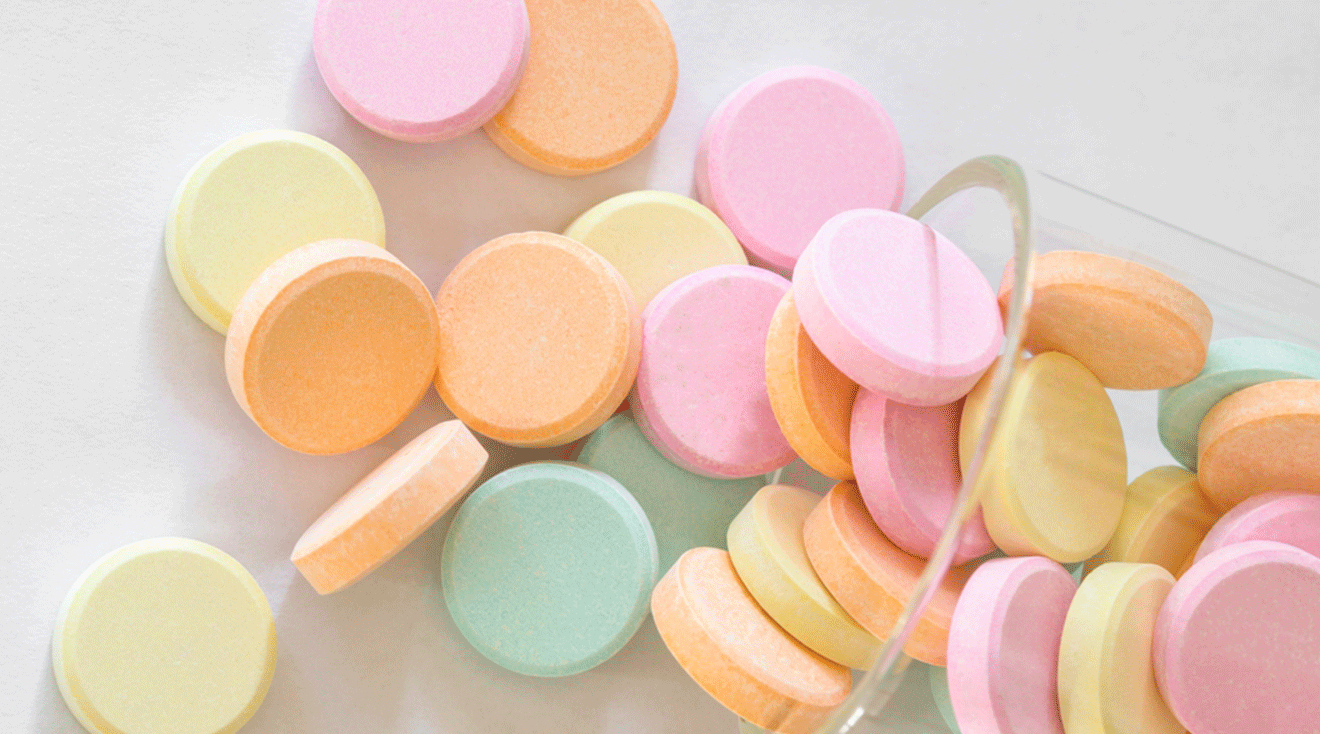
What’s in Tums and why it matters during pregnancy
Tums deliver elemental calcium by way of calcium carbonate. Calcium helps fetal bone growth, but too much calcium from supplements can change maternal blood chemistry. Other antacid classes use different ingredients that do not raise calcium the way Tums do. Knowing that Tums add calcium helps you judge total daily calcium intake from food and supplements.
Potential risks of taking too many Tums during pregnancy
Taking Tums occasionally is low risk. But excessive use can raise maternal calcium levels. High maternal calcium can lead to:
- Milk-alkali syndrome with nausea, weakness, and altered kidney function, which may harm both mother and fetus.
- Suppression of the fetal parathyroid system in rare cases, which can cause neonatal calcium problems after birth.
- Reduced absorption of iron and zinc when large calcium doses are taken at the same time as prenatal vitamins or iron-rich meals.
Research shows these events are uncommon. Still, frequent or very high-dose Tums use raises the chance of complications. So ask: can too many tums hurt the baby during pregnancy? In rare but real ways, yes—if intake is excessive and unmanaged.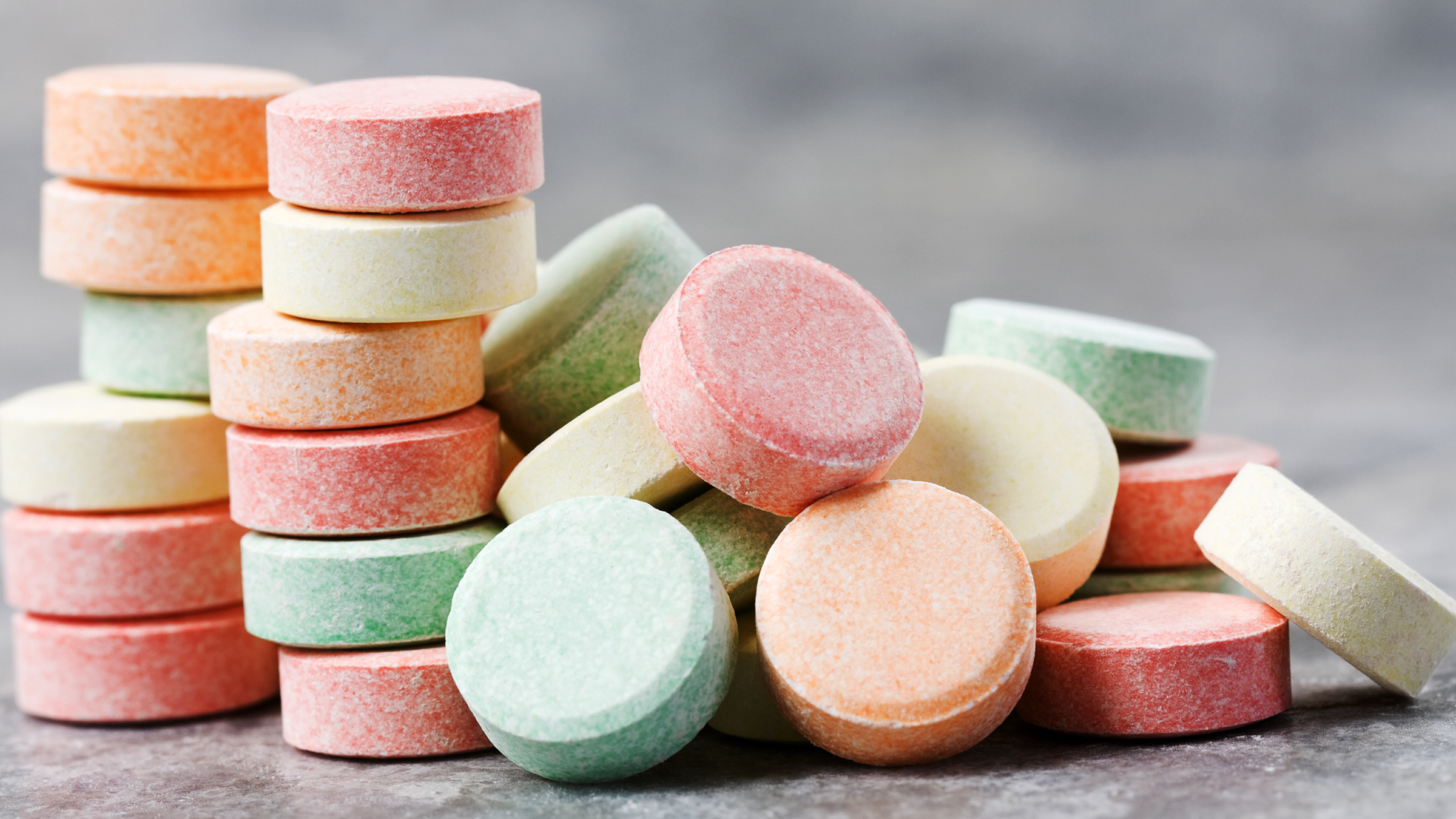
Source: goodrx.com
How much is too much? Dosing and clinical guidelines
Daily calcium needs in pregnancy are about 1,000 mg for most adults. Teen pregnant people may need more. Each Tums product varies, but many chewable tablets provide a few hundred milligrams of elemental calcium per tablet. Total daily calcium from food and supplements should not routinely exceed the upper safe limit, which is generally around 2,500 mg per day for adults. To avoid problems:
- Count calcium from Tums, milk, yogurt, and supplements together.
- Use the lowest effective Tums dose for symptoms.
- Space Tums away from iron supplements by a couple of hours.
If you are unsure how much elemental calcium you take daily, talk to your provider. They can add up your totals and advise.
Source: todaysparent.com
Signs of excess Tums use and when to seek help
Watch for symptoms that suggest too much calcium or antacid use:
- Persistent nausea, vomiting, or abdominal pain.
- Extreme fatigue, confusion, or muscle weakness.
- Decreased urination, or signs of kidney discomfort.
- New or worsening swelling or high blood pressure.
If you have any of these signs, contact your healthcare provider or go to urgent care. Early evaluation can prevent small problems from becoming serious.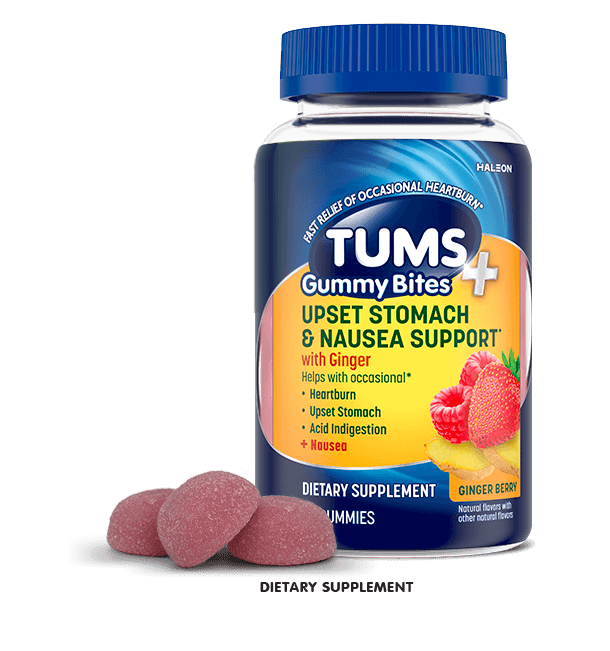
Source: tums.com
Safe alternatives and practical strategies for heartburn in pregnancy
Lifestyle and simple moves often help as much as pills. Try these first:
- Eat smaller meals and avoid late-night large meals.
- Avoid trigger foods like spicy, fried, and highly acidic items.
- Elevate the head of your bed a few inches.
- Wear loose clothing to reduce pressure on your belly.
If antacid is needed, discuss options with your clinician. They may suggest a calcium-based antacid in moderation, an H2 blocker, or a short course of a PPI if symptoms are severe. Always balance symptom relief with safety for you and the baby.
Source: todaysparent.com
Personal experience and practical tips from clinical practice
I have counseled many pregnant people who relied on Tums nightly. A common pattern is using Tums repeatedly without tracking totals. One patient improved by switching to timed small meals and using a single chewable Tums after large meals only. Key lessons I’ve learned:
- Track each tablet so you know your daily calcium intake.
- Use Tums only when lifestyle changes are not enough.
- Communicate with your prenatal team about all over-the-counter meds.
Those small steps often prevent accidental overuse and keep both mother and baby safe.
Source: walmart.com
Quick PAA-style questions
Q: Will one Tums a day hurt my baby?
A: One Tums tablet a day is unlikely to hurt the baby. Still, count all calcium sources and use the lowest effective dose.
Q: Can Tums cause birth defects?
A: There is no clear link between normal antacid use and birth defects. Problems arise mainly with chronic excess intake.
Q: Are there safer antacids than Tums in pregnancy?
A: Some H2 blockers are considered safe when recommended by a doctor. Ask your provider for tailored advice.
Frequently Asked Questions of can too many tums hurt the baby during pregnancy
What are the main risks to the baby if I take too many Tums?
Excessive maternal calcium can rarely suppress the fetal parathyroid glands, possibly causing the newborn to have low calcium after birth. Most short-term, moderate Tums use does not cause fetal harm.
How many Tums is safe per day during pregnancy?
Safety depends on the tablet strength and total calcium from diet and supplements. Keep total daily calcium near recommended amounts and below the upper limit, and consult your provider for personal guidance.
Can Tums affect my prenatal vitamin absorption?
High calcium doses taken with prenatal iron can reduce iron absorption. To avoid this, take iron supplements and calcium-containing antacids at different times of day.
Will my doctor tell me to stop Tums if I use them often?
Your provider may advise lifestyle changes, a different medication, or a limit on Tums if use is frequent. They will consider your symptoms, diet, and blood test results.
What tests might my provider order if I use a lot of Tums?
They may check serum calcium, kidney function, and electrolytes to rule out hypercalcemia or milk-alkali syndrome. These tests help guide safe care for you and your baby.
Can Tums cause kidney problems in pregnancy?
Chronic high calcium intake can stress the kidneys and, rarely, lead to kidney stones or milk-alkali syndrome. Timely medical review lowers these risks.
Conclusion
Tums can offer quick heartburn relief during pregnancy, and occasional use is generally safe. However, can too many tums hurt the baby during pregnancy? Excessive, repeated intake of calcium-containing antacids can create real but uncommon risks for both mother and infant. Track your total calcium, use the lowest effective dose, try lifestyle strategies first, and involve your prenatal care team if you use Tums frequently. Take action now: review your daily calcium sources, talk to your provider if you take Tums often, and consider simple diet and sleep changes to reduce heartburn. Share your experience or questions below and subscribe for more clear, practical pregnancy health advice.