
Babies cry in their sleep mainly due to dream-related startle, discomfort, or normal reflexes.
As a pediatric sleep researcher and a parent who has soothed many late-night wails, I know how worrying those soft cries can feel. This article explains why do babies cry in their sleep in clear, practical terms. You will learn the common causes, how sleep stages affect crying, when to act, and step-by-step soothing tips. Expect evidence-based insights, real-life experience, and simple checks you can use tonight.

Why babies cry in their sleep: the core reasons
Babies cry in their sleep for a few main reasons. Their brains are developing fast. Sleep cycles are short and active. They have immature nervous systems. They can also wake briefly from discomfort or hunger and cry while still partly asleep. Understanding these basics helps you respond calmly.
Common immediate causes
- Startle reflex and sudden limb movement during light sleep.
- Sleep-related breathing changes that briefly upset them.
- Dreams or active brain activity in rapid eye movement sleep.
- Discomfort from gas, diaper, temperature, or clothing.
- Hunger or need for comfort that triggers a semi-awake cry.
Why the phrase why do babies cry in their sleep matters
Exploring why do babies cry in their sleep points parents to fixes that work. It highlights the difference between normal sleep noises and signs of illness. I use this focus to guide parents to safe, evidence-based solutions and to reduce late-night anxiety.
How infant sleep stages trigger crying
Infant sleep differs from adult sleep. Babies cycle faster. Active sleep is like adult REM. Quiet sleep is deeper but still light. Transitions between these stages can cause brief cries.
What happens in active sleep
- Rapid eye movements and irregular breathing.
- Twitching, small sounds, and cries that can sound real.
- Brain consolidation and memory work happen here.
Transitions are key
- Babies wake briefly as they switch stages.
- These micro-wakes can lead to cries without full awakening.
- Over time, babies learn to self-soothe. That takes months.

Medical and physiological causes to consider
Most nighttime sleep crying is normal. Some causes deserve medical attention. If you wonder why do babies cry in their sleep often, rule out these possibilities first.
Possible medical causes
- Reflux that causes discomfort when lying down.
- Ear infections that worsen when lying flat.
- Respiratory issues like bronchiolitis in infants.
- Neurological conditions are rare but need evaluation.
What to watch for
- High fever, poor feeding, or persistent inconsolable crying.
- Labored breathing or blue lips.
- Crying that sounds different and lasts many minutes.

Developmental and emotional reasons
Babies use cries to communicate their needs. Emotional and developmental milestones change sleep patterns. Separation anxiety and growth spurts can increase night cries.
Normal developmental causes
- Rapid brain growth phases that alter sleep.
- Learning new skills like rolling or crawling can disrupt sleep.
- Increased night awareness due to developing senses.
Emotional comfort and security
- Babies cry when they look for caregivers while half-asleep.
- Comforting presence helps their nervous system calm down.
Practical strategies to soothe and reduce sleep crying
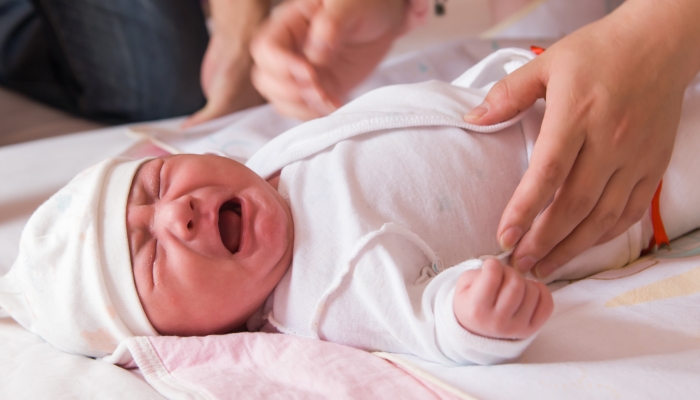
Knowing why do babies cry in their sleep leads to practical steps. These tips reduce crying and help sleep skills. Try them one at a time to find what fits your child.
Soothing and prevention checklist
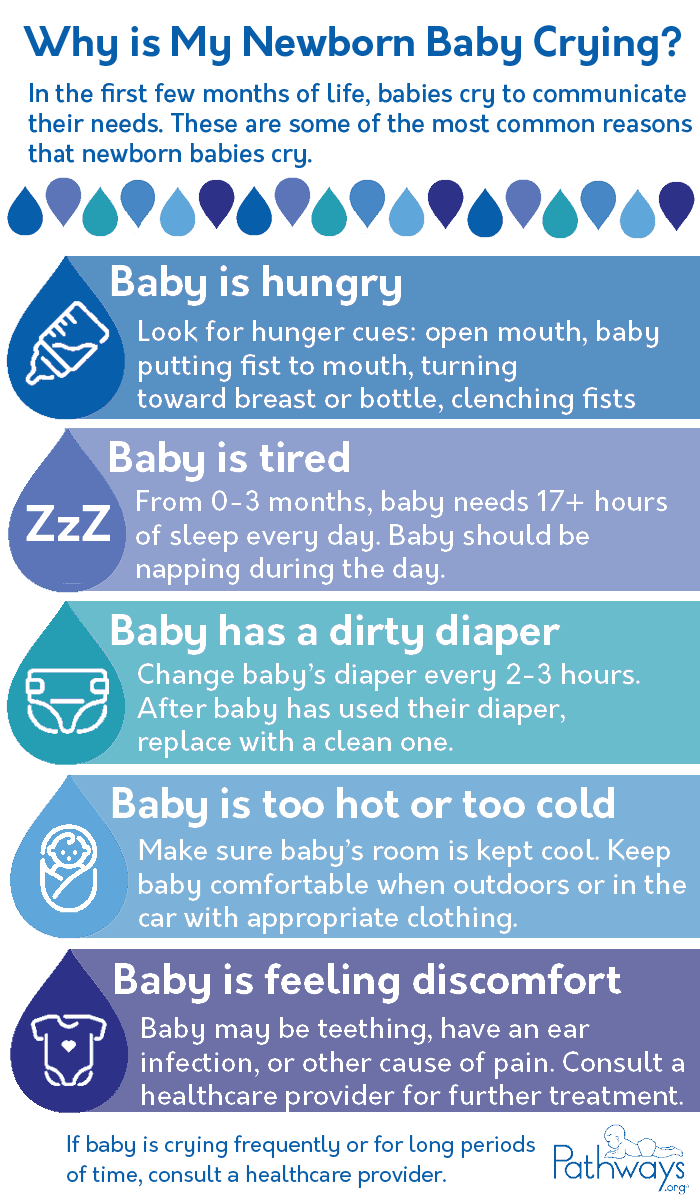
- Check basics first: diaper, temperature, and feeding schedule.
- Swaddle younger infants to reduce startle reflex.
- Use white noise to smooth sleep transitions.
- Keep a calm, dim environment at night.
- Offer a pacifier if your baby uses one for soothing.
- Ensure daytime naps and feeding are balanced to avoid overtiredness.
Bedtime routine that helps
- Short, consistent routine cues the brain for sleep.
- Include gentle massage, a feeding or bottle, quiet time, and a final sleepy but awake placement.
- Avoid heavy stimulation close to bedtime.
When to try self-soothing support
- For babies older than 4–6 months, allow brief self-soothing when safe.
- Respond consistently but avoid instant rushing for every small sound.
- Gradual support helps babies learn to fall back asleep.
Red flags: when crying in sleep needs action
Most sleep cries are normal. Some signs mean see your pediatrician. If you ask why do babies cry in their sleep and find any of these, get help.
Immediate red flags
- High or persistent fever with crying.
- Unusual breathing, long pauses, or blue color.
- Weak feeding, weight loss, or low responsiveness.
- Continuous, high-pitched cries that don’t stop with soothing.
What to tell your clinician
- When the crying started and what helps soothe.
- Any feeding or breathing concerns.
- Recent illnesses, shots, or changes at home.
Personal experience and lessons learned
As a parent and clinician, I sat up many nights. My first baby cried softly while sleeping for months. I learned to watch rhythm, not panic. A steady bedtime routine and white noise helped. Later, when a brief fever appeared, early contact with our pediatrician prevented worry. My practical takeaways:
- Track patterns rather than isolated nights.
- Keep a simple checklist for night checks.
- Trust your parental instincts but confirm with a professional when unsure.
Evidence and expert guidance
Research shows infant sleep is highly active and fragmented. Studies link active sleep to brain growth and dreamlike activity. Clinical guidance emphasizes safe sleep practices and prompt evaluation for red-flag symptoms. Use expert advice to balance soothing with healthy sleep habit building.
Tips based on best practices
- Follow safe sleep rules for bedding and positioning.
- Use gentle, consistent responses to night cries.
- Consult health professionals for recurrent or severe symptoms.

PAA-style quick questions you might ask
Why do babies cry in their sleep after feeding?
Babies sometimes wake and cry after feeding due to reflux or a burst of alertness as digestion stimulates them. A small upright hold and burping can help.
Can dreams make infants cry?
Yes, active or REM sleep can cause dream-like twitching and soft cries as their brains process daytime activity. These cries are usually brief and harmless.
How long will babies cry in their sleep as they grow?
Most infants outgrow frequent sleep crying by 4 to 6 months as sleep consolidates, though patterns vary. Consistent routines speed this progress.
Frequently Asked Questions of why do babies cry in their sleep
Why do newborns cry in their sleep frequently?
Newborns cycle rapidly between active and quiet sleep and have immature self-soothing skills, which leads to frequent cry sounds. This tends to improve over weeks as sleep organizes.
Could hunger be why my baby cries in their sleep?
Yes. If feeding intervals are long or growth spurts occur, babies may cry while partially asleep to signal hunger. A quick feed or dream-feed can settle them.
Are sleep cries a sign of nightmares?
Not usually. Babies’ cries in sleep are more often reflexive or related to active sleep rather than frightening nightmares. True night terrors are rare in infancy.
When should I contact a doctor about my baby’s sleep crying?
Seek medical advice if cries are accompanied by fever, poor feeding, breathing trouble, or prolonged inconsolable distress. These could indicate an underlying condition.
Will sleep training stop babies from crying in their sleep?
Sleep training can reduce wakeful crying and teach self-soothing, which often lowers sleep crying over time. Choose an approach that fits your family and is safe for your baby.
Conclusion
Understanding why do babies cry in their sleep brings calm and clear action. Most sleep cries come from normal brain development, sleep transitions, or minor discomfort. Use a consistent bedtime routine, basic checks, and safe soothing methods first. Watch for red flags and seek medical advice when needed. Try one practical change tonight and observe the pattern for a week. Share your experience, subscribe for more sleep tips, or leave a comment with your questions.