Most babies begin to giggle between 2 and 4 months, often during social play.
I’ve worked with new parents and early childhood educators for years, and I’ll walk you through when do babies giggle, why giggles matter, and what to expect as your baby’s laugh grows. This guide blends research, real-world experience, and simple tips to help you read your baby’s joyful sounds and encourage more of them.

What a baby giggle is and why it matters
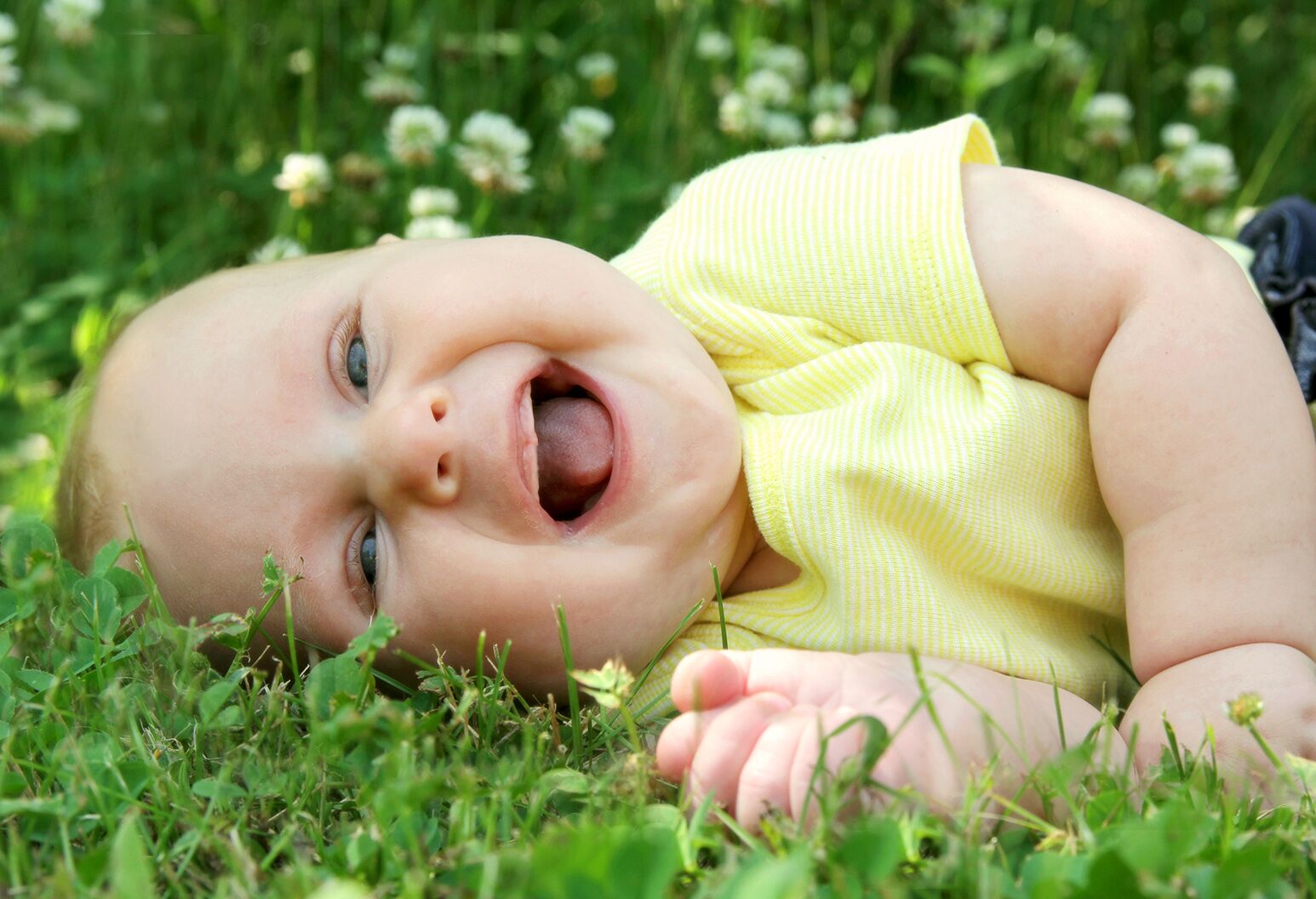
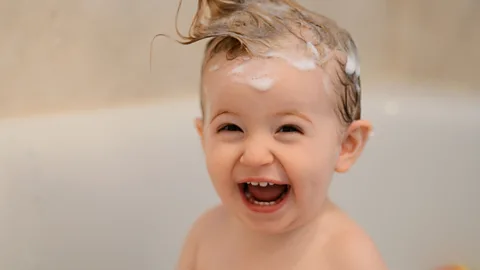
A giggle is a short, light laugh that shows enjoyment. It often comes with smiling eyes, cooing, and movement. Babies use giggles to connect. When you hear a giggle, your baby is practicing social cues. This tiny sound helps bond you and helps baby learn emotions. Giggles also show early brain and sensory development.
Typical timeline: when do babies giggle
Most babies start to giggle between two and four months. Some babies giggle as early as six weeks. Others may not giggle until five or six months. The timeline varies. Sleep, feeding, and temperament change when a baby giggles. Remember that when do babies giggle depends on social exposure and health. If a baby hears smiles and play, giggles often come sooner. If not, giggles may appear later but still within normal range.

What triggers giggles: common causes
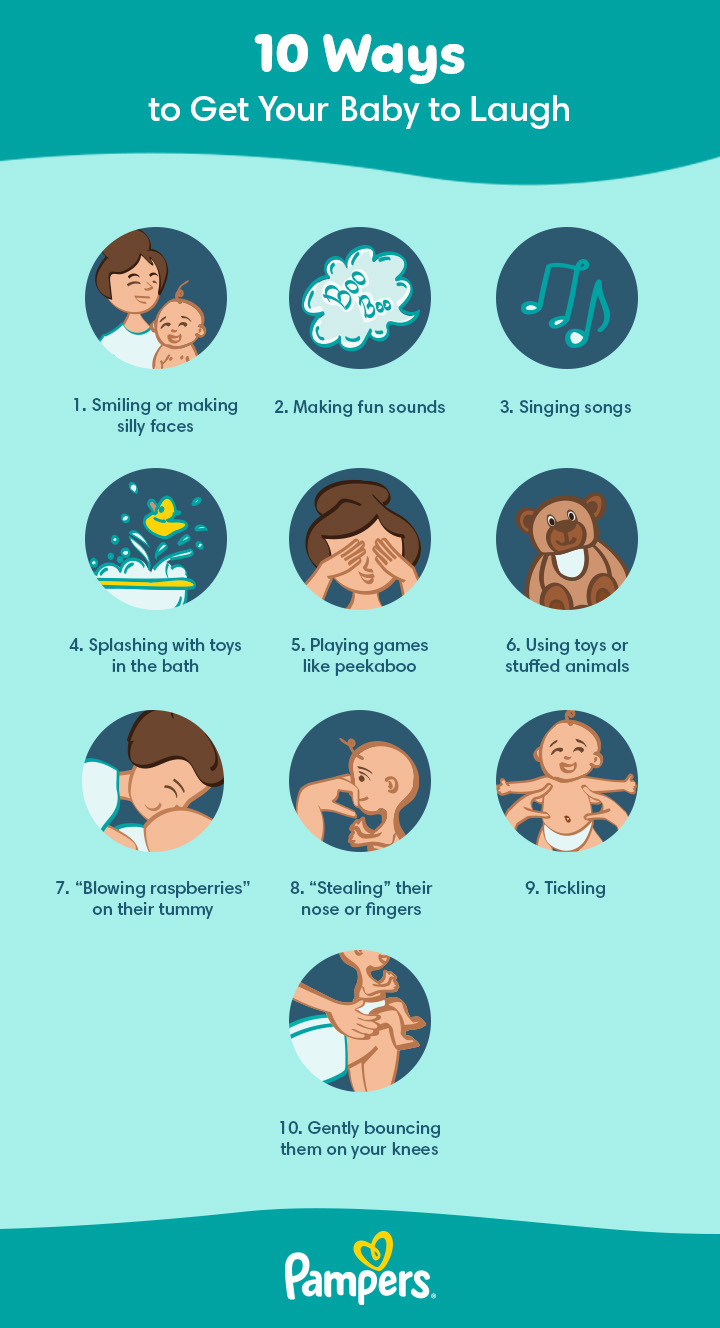
Babies laugh at surprise and rhythm. Simple triggers include:
- Peek-a-boo and sudden reveals that are gentle and fun
- Funny faces or exaggerated sounds
- Light tickles on the belly or toes
- Silly voices, changes in volume, or animal noises
- Playful movement like gentle bouncing
Timing matters. If you ask when do babies giggle, note that repeated, safe play helps. Babies learn to expect the fun and respond with more giggles.
Developmental meaning: social and cognitive signals
Giggles are more than noise. They mean progress in several areas.
- Social: Baby is building attachment and learning to read faces.
- Emotional: Baby expresses joy and comfort.
- Cognitive: Baby learns cause and effect by testing what makes people laugh.
- Language: Laughter co-occurs with babbling and later speech skills.
If you track when do babies giggle, use the sound as a milestone in social learning. Research and clinical experience show laughter links to healthy interaction and early communication.

How to encourage more giggles — practical tips
You can help your baby laugh more. I’ve used these simple moves with parents and my own infants.
- Play peek-a-boo with varied timing. Pause, then reveal slowly.
- Use gentle tickles. Focus on places baby likes, like feet or wrists.
- Change your voice rhythm and pitch. Sing a silly line.
- Mirror your baby’s sounds and faces. Copying builds trust.
- Keep sessions short and calm. A tired baby laughs less.
Try these often. When do babies giggle? More when they feel safe and entertained. I once worked with a parent who got daily five-minute giggle sessions. The baby’s social cues strengthened in weeks.

When to worry: red flags and when to seek advice
Most variation is normal. But check with a pediatrician if you notice:
- No smiles or social responsiveness by four months
- No vocal sounds or cooing by four months
- Extreme lethargy or feeding problems alongside silence
- Other developmental delays in motor or social skills
Asking when do babies giggle is useful. If your baby shows no social cues by six months, ask a professional. Early evaluation helps rule out hearing, vision, or neurological issues.

Frequent questions in everyday language
These short questions reflect what many parents ask. If you want quick answers, read these and then check the full FAQ below.
- Will a baby who laughs early develop faster socially? Early laughter often signals strong social engagement. It is not a strict predictor of overall development.
- Can hearing loss affect giggles? Yes. Babies with hearing loss may giggle less if they miss social cues. Hearing checks help.
- Does tummy time help laughter? Yes. Tummy time can boost curiosity and play, which can lead to more giggles.
Frequently Asked Questions of when do babies giggle
When do babies typically giggle for the first time?
Most babies giggle between two and four months, but some start earlier or later. Individual timing varies and is usually normal.
Do all babies giggle at the same age?
No. Babies differ by temperament, exposure to social play, and health. Variation across months is common.
Can I make my baby giggle every day?
Yes. Short, gentle play sessions daily often encourage laughter. Keep interactions safe and responsive to baby’s mood.
Could lack of giggling mean a problem?
Not always. But if your baby shows no smiles, cooing, or social sounds by four to six months, consult a pediatrician.
How does hearing affect giggling?
Hearing helps babies learn from voices and laughter. If a baby has hearing issues, social sounds like giggles may appear later or less often.
Will funny videos make a baby giggle?
Some babies respond to bright, moving images, but live social play is far more effective. Babies prefer real faces and voices.
What if my baby giggles but then stops?
Short phases of change are normal. Growth, teeth, illness, or sleep shifts can reduce giggles temporarily. If concerns persist, seek advice.
Conclusion
Giggles mark social growth and joy. Knowing when do babies giggle helps you watch for healthy interaction and supports bonding. Use simple play, mirroring, and safe routines to encourage laughter. If you see persistent lack of social sounds, get a professional check to rule out hearing or developmental issues. Try short daily giggle games, note progress, and enjoy these bright moments.
Takeaway: notice, engage, and celebrate your baby’s laughter. Share your experiences or questions below and subscribe for more practical, research-backed parenting tips.