
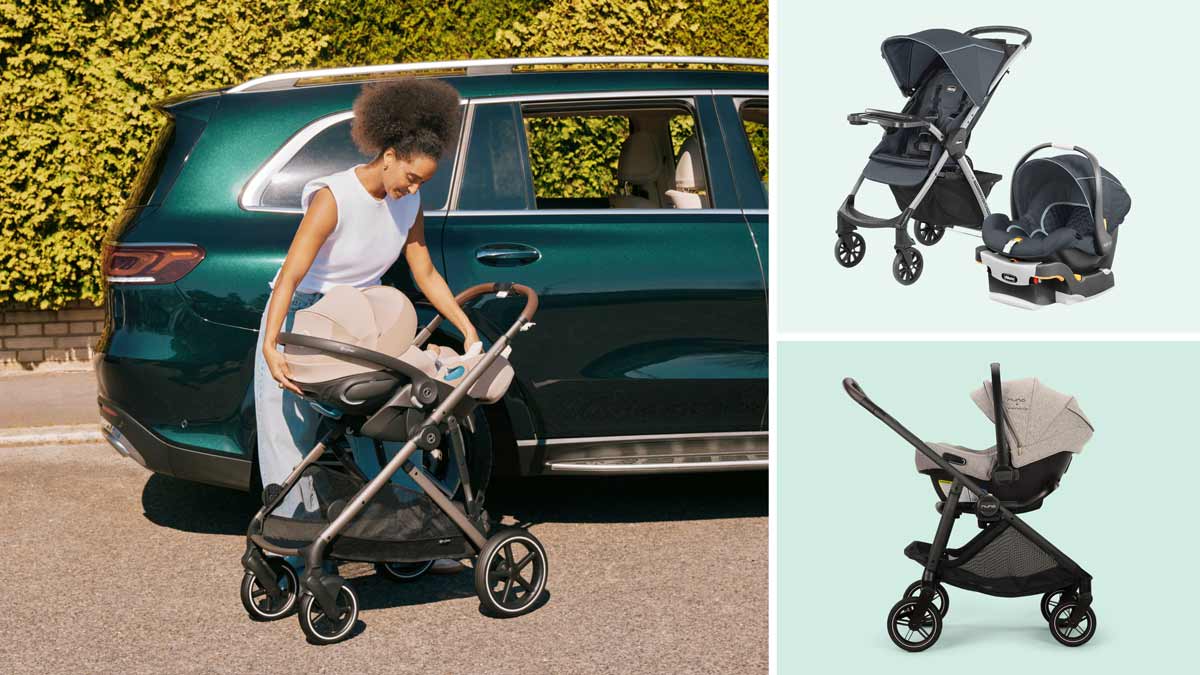
A travel system stroller combines a stroller and infant car seat for easy travel from car to sidewalk.
If you are asking what does travel system stroller mean, you are likely comparing baby gear before your child arrives. The term sounds technical, but the idea is simple: it is a stroller package that lets you move a young baby from the car without lifting them out of the car seat. This guide explains how travel systems work, what they include, their safety limits, and how to choose one with confidence.

What does travel system stroller mean?
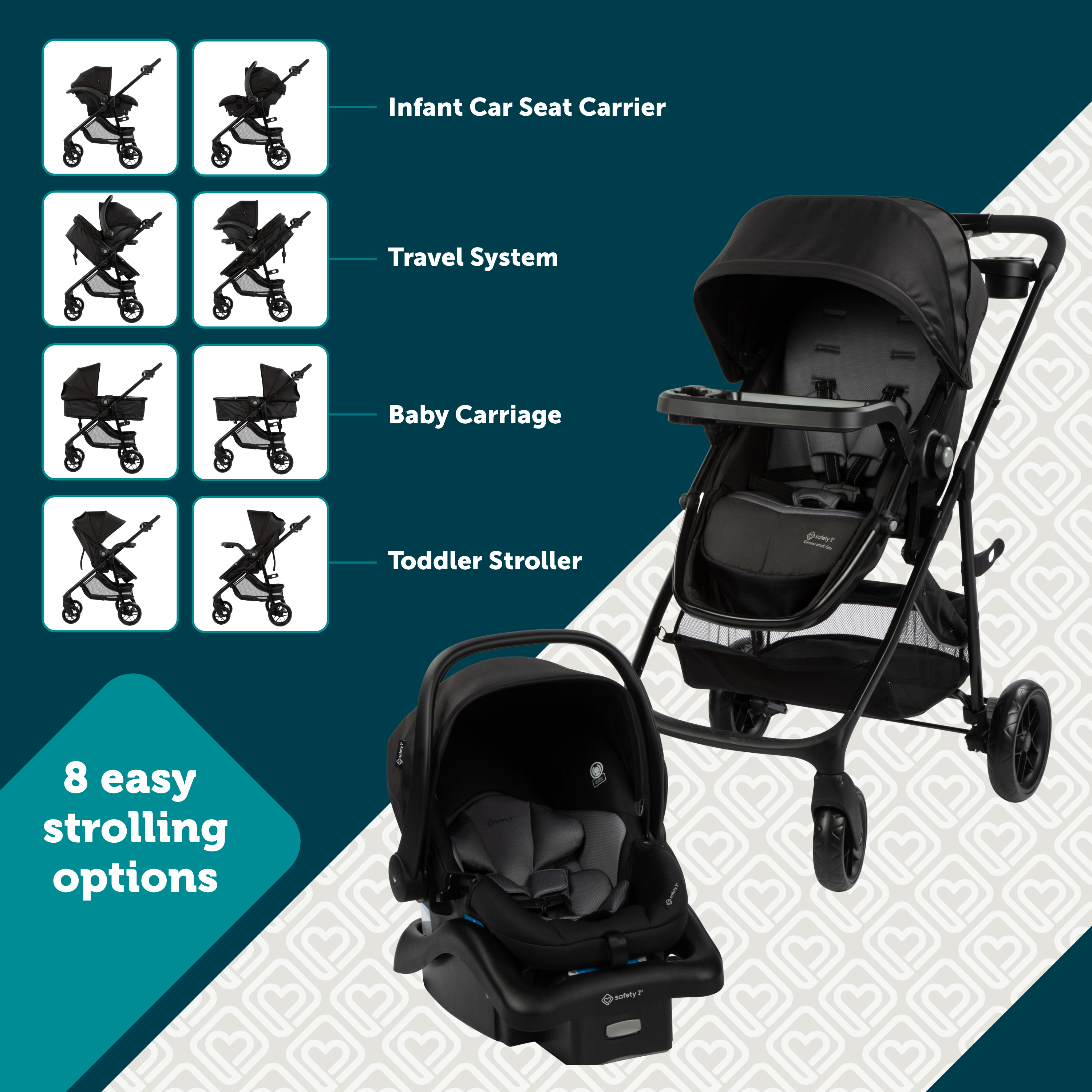
What does travel system stroller mean in everyday use? It means a stroller designed to work with a matching infant car seat. The car seat usually clicks onto the stroller frame or stroller seat with built-in connectors or adapters.
A typical travel system includes:
• An infant car seat for rear-facing car travel
• A stroller frame or full-size stroller
• A car seat base for the vehicle
• Adapters, when the design needs them
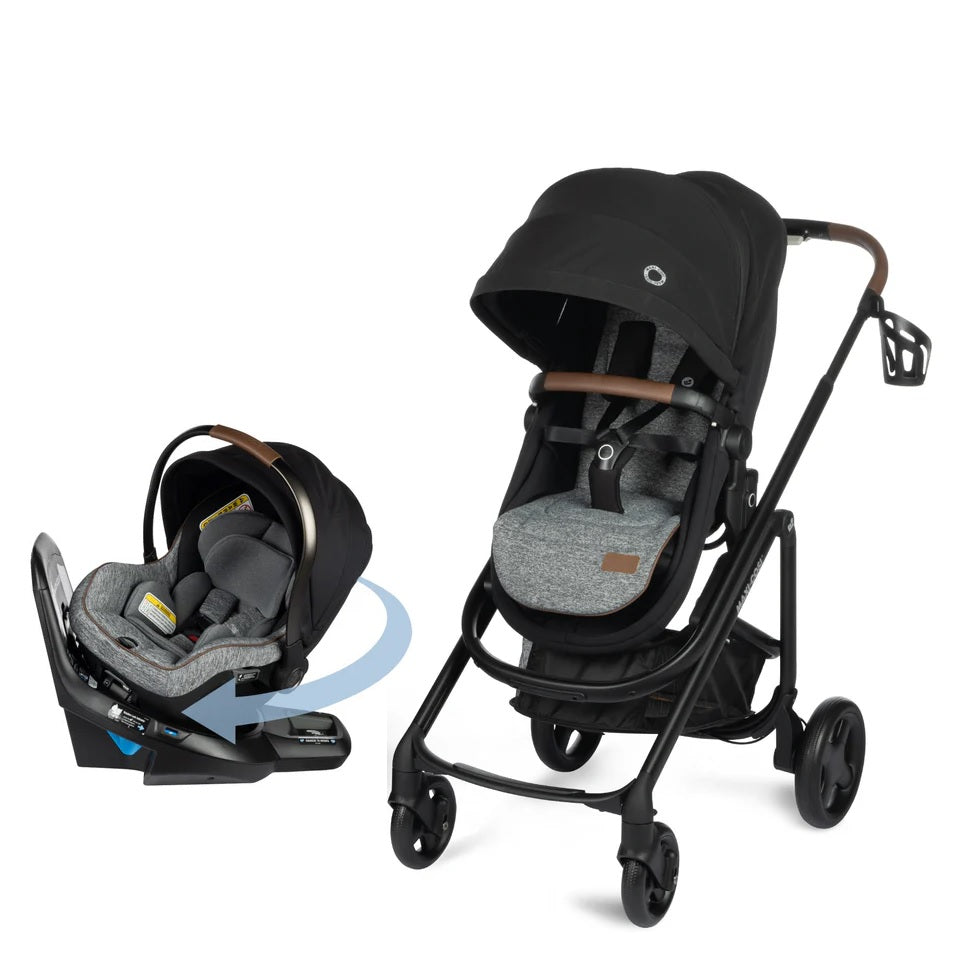
The infant car seat stays in the car during a trip. When you reach your destination, you can release it from the base and attach it to the stroller. This creates a smooth transition from car to stroller without disturbing your baby.
Think of the system as a bridge between two tools. The car seat protects your baby during vehicle travel, while the stroller helps you move around once you leave the car.
Not every stroller that accepts a car seat is a complete travel system. Some strollers work with many brands through separate adapters. A complete travel system usually comes as a tested package from one brand or as a clearly matched combination.
How does a travel system work?
A travel system stroller usually starts with the infant car seat. The seat installs in your vehicle with a car seat base or with the vehicle seat belt, depending on the model and your preference.
When you arrive, follow these steps:
Park in a safe place and turn off the vehicle.
Check that the car seat handle is in the position allowed by the manual.
Press the release button to remove the car seat from its base.
Open and lock the stroller frame.
Attach the car seat to the stroller until you hear or feel a secure click.
Pull gently on the car seat to confirm that it is locked.
The exact process varies by brand. Some models use a direct click system. Others require adapters. Always read both manuals, since a stroller and car seat may look compatible without being approved for use together.
A travel system stroller is most useful during the infant stage. Many infant car seats have a weight range that begins at about 4 pounds, but limits differ. The stroller may later convert to a regular seat that supports a larger child.
What is included in a travel system?
Travel system packages can look similar online, but their contents may differ. Read the product description carefully before buying.
Infant car seat
The infant car seat is made for rear-facing travel. It has a carry handle, harness, padding, and a shell designed to protect a small baby in a crash.
Some seats include a removable newborn insert. Use inserts only as the manual allows. Aftermarket cushions may change the harness fit and can create a safety risk.
Car seat base
The base stays installed in the vehicle. It can make daily use faster because the car seat clicks in and out without reinstalling the base each time.
Many bases have lower anchors, a load leg, or an adjustable recline indicator. These features vary by model. A base is not always required, because many infant seats can be installed with a seat belt.
Stroller
The stroller may have a full-size seat, storage basket, sun canopy, parent cup holder, and child tray. Some models support a flat recline for older babies, while others convert into a bassinet or standing board setup.
Do not assume that a stroller seat is safe for a newborn. A stroller seat must meet the age and development rules in its manual. A newborn may need the attached infant car seat or a properly approved newborn position.
Adapters
Some travel systems use adapters between the car seat and stroller. If adapters are included, use only the approved pair made for that stroller and car seat.
Universal adapters may fit many products, but “fits” does not always mean “approved.” Confirm compatibility on the manufacturer’s official list.
Benefits of a travel system stroller
The main appeal of a travel system stroller is convenience. You can move a sleeping baby from the car to the stroller with less handling.
Other benefits include:
• One purchase covers two major baby travel needs
• The infant car seat and stroller are designed to work together
• You may avoid buying separate adapters
• Moving between car and sidewalk can take only a few steps
• A matching system often has a consistent style and control layout
• The stroller may last beyond the infant car seat stage
A travel system stroller can be especially helpful for parents who drive often. It also suits families who visit stores, parks, child care centers, or relatives during the day.
In my experience reviewing stroller features, the biggest practical benefit is not the appearance. It is the reduced need to wake or reposition a baby during short stops. That small gain can make a busy day feel much easier.
Limitations and drawbacks to consider
A travel system stroller is not perfect for every family. It may be heavier and larger than a simple frame stroller.
Common drawbacks include:
• The stroller may be difficult to lift into a trunk
• The folded size may take up most of a small cargo area
• The full package may cost more than a basic stroller
• A heavy car seat can become tiring to carry
• The system may be less useful if your family rarely drives
• Some models have small wheels that perform poorly on rough ground
The car seat also has a limited useful life. Children usually outgrow infant seats by height or weight before they outgrow the stroller. Once the seat no longer fits, you will need a different car seat for vehicle travel.
Another limitation is sleep. An infant car seat is designed for travel, not as a routine sleep space outside the vehicle. When you reach your destination, move your baby to a firm, flat sleep surface as soon as practical. Follow safe sleep guidance from pediatric health experts.
A travel system stroller can also encourage long periods in a car seat. Short transfers are the main purpose. For longer walks, use the stroller position approved for your baby’s age and development.
Travel system stroller safety tips
Safety should come before color, brand, or extra accessories. A stylish stroller cannot make up for a poor car seat fit or incorrect installation.
Use these basic rules:
• Keep the infant car seat rear facing for every vehicle trip
• Install the seat according to its manual and vehicle instructions
• Make sure the harness lies flat and fits snugly
• Place the chest clip at armpit level when the seat includes one
• Never add thick coats under the harness
• Lock the stroller brakes before placing the car seat
• Check that the car seat clicks fully into the stroller
• Keep heavy bags low and inside the storage basket
• Do not hang heavy bags from the handle
• Never leave a child alone in a car seat or stroller
• Check for product recalls before use
• Register the car seat with the manufacturer
A certified child passenger safety technician can check your installation. Many communities offer inspection events through hospitals, fire departments, or public safety programs.
Read the labels for height, weight, and expiration limits. Car seats have expiration dates because materials and standards can change over time. Do not use a seat after a moderate or serious crash unless the manufacturer says it is safe.
How to choose the best travel system stroller
Before shopping, think about your daily routine. The best travel system is not always the most expensive one. It is the one that fits your vehicle, home, budget, and walking habits.
Check car seat fit
A car seat should fit your baby well and install securely in your vehicle. If possible, test it in your actual car before buying.
Look for:
• Clear installation instructions
• Easy-to-read recline indicators
• A harness that adjusts smoothly
• A canopy that gives useful shade
• A base that sits firmly in your vehicle
Measure the folded stroller
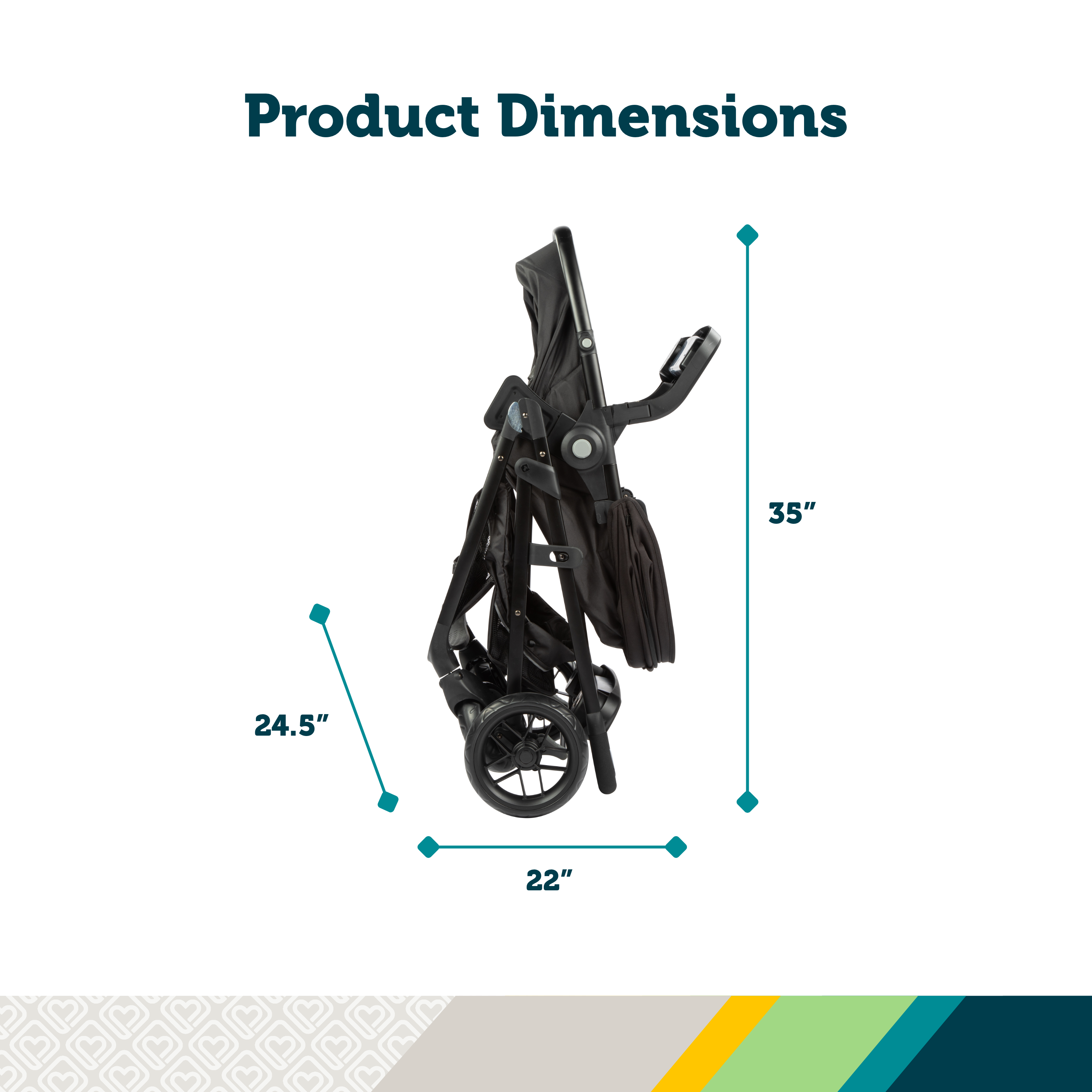
Measure your trunk opening, not just the trunk space. A stroller may fit inside the cargo area but fail to pass through the opening.
Also check the folded weight. A parent who lifts a stroller several times each day may prefer a lighter model, even if it has fewer features.
Test the wheels and handle
Push the stroller over the surfaces you use most. Smooth indoor wheels may feel fine in a store but struggle on gravel, grass, or cracked sidewalks.
Test the handle height, turning radius, brake pedal, and folding action. Try folding it while holding a diaper bag. If the process feels confusing in a showroom, it may feel worse in a crowded parking lot.
Review the stroller seat
If you want the stroller to last for years, check the regular stroller seat. Look for a deep recline, adjustable footrest, five-point harness, large canopy, and strong basket.
Do not choose a model only because the infant car seat looks convenient. The stroller itself will likely serve your child for much longer.
Compare care and warranty support
Babies create messes. Removable, washable fabric can save time. Check whether replacement wheels, adapters, and fabrics are available.
A clear warranty and responsive customer service also matter. Keep your receipt, product numbers, and registration details in a safe place.
Travel system stroller versus other stroller types
Understanding the alternatives makes the term easier to compare.
Travel system stroller versus stroller frame
A stroller frame is a light chassis made mainly to carry an infant car seat. It may fold quickly and weigh less than a full stroller.
However, a frame stroller often stops being useful once your baby outgrows the infant car seat. A travel system stroller usually includes a regular stroller seat for longer use.
Travel system stroller versus convertible stroller
A convertible stroller may change from a single stroller to a double stroller or accommodate a bassinet. It can offer more long-term flexibility.
A travel system focuses on car seat compatibility and easy transfers. Choose based on whether your top need is car convenience or future seating options.
Travel system stroller versus modular stroller
A modular stroller can offer several seating positions, such as parent-facing and forward-facing modes. Some modular models also accept an infant car seat.
The terms can overlap. A modular stroller may be part of a travel system, but not every modular stroller includes a car seat.
Travel system stroller versus lightweight stroller
A lightweight stroller is easier to carry and often works well for travel, errands, and older babies. Many do not accept an infant car seat.
A travel system stroller is usually larger, but it offers more support and a smoother car-to-stroller transition during the newborn months.
Common mistakes parents make
Many problems come from rushing, not from bad intentions. New parents are tired, and baby gear instructions can feel like a foreign language.
Avoid these mistakes:
Buying before checking car compatibility
A seat that works in one vehicle may be awkward in another. Test the installation if you can.Using unapproved accessories
Extra head supports, liners, toys, and adapters may affect safety or fit.Carrying too much on the handle
A heavy bag can make the stroller tip backward.Skipping the brake
Always engage the brake before lifting the car seat onto the stroller.Leaving the infant car seat attached for long periods
Use it for travel and short transfers, then move your baby to an approved flat sleep surface.Forgetting the regular stroller seat
A comfortable car seat does not guarantee a comfortable long-term stroller.Ignoring maintenance
Loose screws, worn brakes, damaged harnesses, and flat tires can affect control.
One lesson I often emphasize is to practice before the first outing. Fold the stroller, install the base, attach the car seat, and adjust the harness while everyone is calm. Practice turns a stressful parking lot moment into a familiar routine.
Is a travel system stroller worth it?
For many families, a travel system stroller is worth the cost because it combines convenience, compatibility, and early infant support. It can be especially valuable when parents drive often or make many short stops.
It may not be the best choice for city families who walk everywhere, use public transit, or live in a home with stairs. In those cases, a lightweight stroller plus a separate car seat may be easier to carry.
Use this simple decision guide:
• Choose a travel system if you want easy car-to-stroller transfers
• Choose a stroller frame if you need a low-cost option for the early months
• Choose a lightweight stroller if carrying and storage matter most
• Choose a modular stroller if you need flexible seating choices
• Choose a double stroller if you expect to transport two children
The best choice depends on real use, not a product photo. A stroller that sits unused because it is too heavy is not a good value.
Frequently Asked Questions About What Does Travel System Stroller Mean
What does travel system stroller mean?
A travel system stroller is a stroller that works with a matching infant car seat. You can move the car seat between its vehicle base and the stroller without removing your baby.
Can a newborn use a travel system stroller?
A newborn can usually ride in the attached infant car seat if the seat fits correctly and the product manual allows it. A regular stroller seat is suitable only when it provides the support and recline approved for a newborn.
Is a travel system stroller safe for sleep?
An infant car seat is not intended to be a routine sleep space outside the vehicle. Move your baby to a firm, flat, approved sleep surface when you arrive and can do so safely.
Do all travel system strollers fit every car seat?
No. Compatibility depends on the stroller, car seat, adapters, and manufacturer approval. Never rely on shape or a loose fit; check the official compatibility list.
How long can a baby use a travel system stroller?
The infant car seat can be used until your child reaches its height or weight limit, usually before the stroller is outgrown. The regular stroller seat may support your child for several more years, depending on its limits.
Is a travel system stroller better than a regular stroller?
It is better for families who want quick movement between a vehicle and a stroller. A regular stroller may be lighter, smaller, or easier to carry, so the better option depends on your routine.
Conclusion
A travel system stroller combines an infant car seat, stroller, and often a vehicle base into one connected setup. Its main benefit is a smooth transfer from car to stroller, but its weight, size, cost, and sleep limits deserve careful thought.
When deciding what does travel system stroller mean for your family, focus on safe car seat installation, approved compatibility, folded size, daily lifting, and long-term stroller comfort. Test the system before your baby arrives, read every manual, and choose the setup that fits your real life. Explore trusted child passenger safety resources, compare models carefully, and share your own stroller experience with other parents.