
Introduction
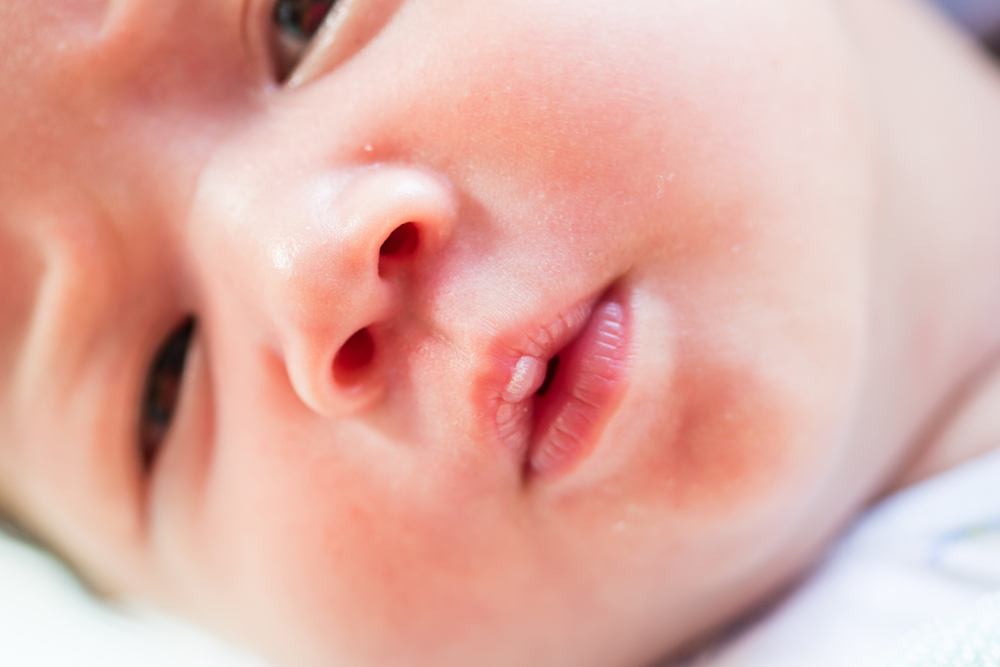
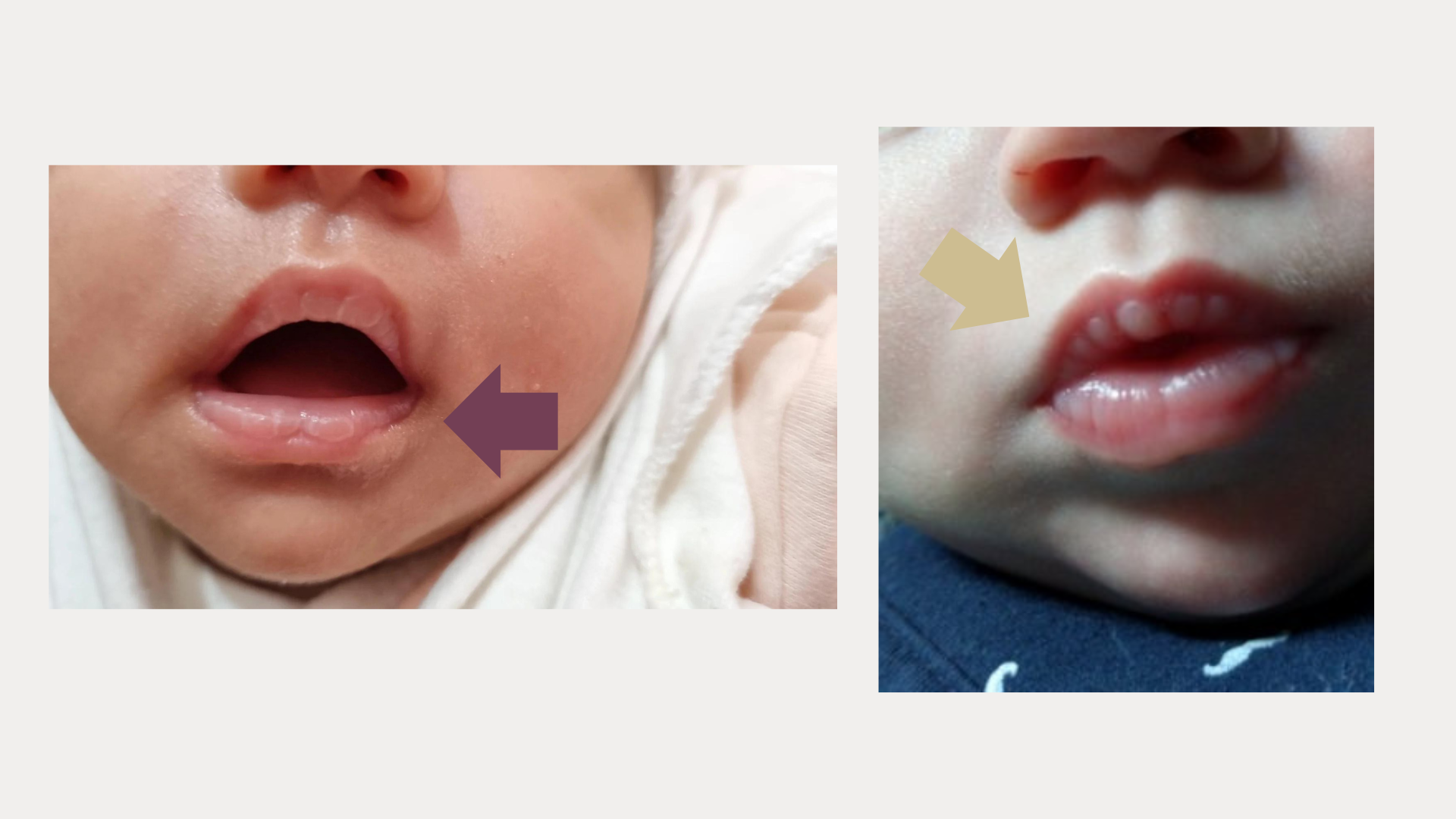
In most newborns in the United States, a small clear, white, or slightly swollen spot on the lip after feeding is a sucking blister, also called a sucking callus. It is usually harmless. It forms when a baby’s lips rub against the breast or bottle nipple during feeding.
Most sucking blisters need no treatment. Keep feeding as usual, avoid popping or peeling the spot, and watch for signs that suggest another problem. Call your baby’s pediatrician if the area looks infected, your baby feeds poorly, or your newborn has a fever of 100.4°F (38°C) or higher.

What Is a Sucking Blister?
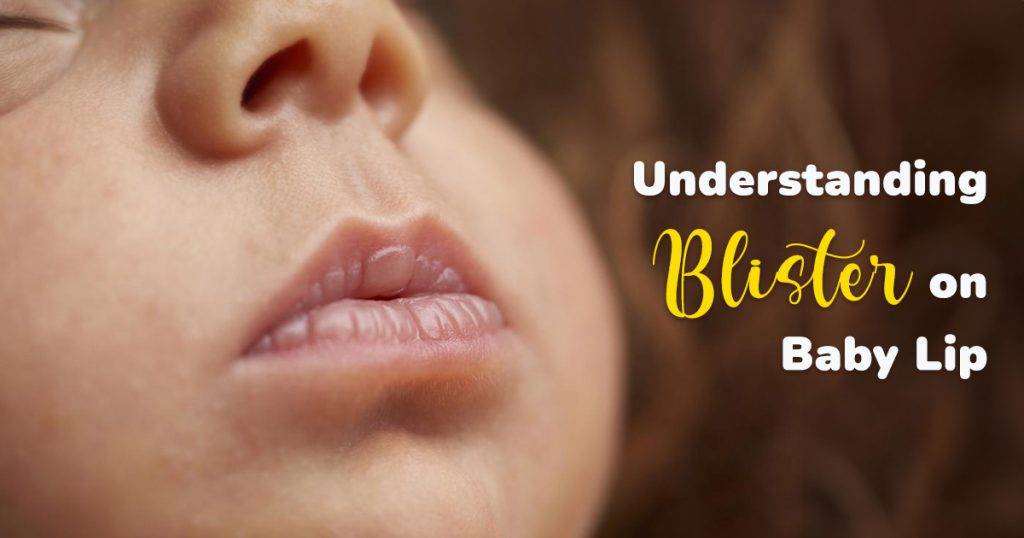
A sucking blister is a thickened or blister-like patch of skin on a baby’s lip. It often appears on the center of the upper lip, but it may also affect the lower lip.
It can look:
- Clear or fluid-filled
- White, gray, or pale
- Dry or slightly flaky
- Smooth and raised
- Similar to a small callus


The spot may appear after breastfeeding or bottle-feeding. Some babies have it from birth. Others develop it after several days of strong or frequent sucking.
A sucking blister is caused by friction and pressure. The skin reacts to repeated contact with the nipple. This is similar to a callus that forms on an adult’s hand after repeated rubbing.
A sucking blister is not the same as:
- Cold sores, which are caused by the herpes simplex virus
- Oral thrush, a yeast infection that can cause white patches inside the mouth
- Milk blisters, which usually occur on a breastfeeding parent’s nipple
- Impetigo, a bacterial skin infection that may cause yellow crusts
- An allergic reaction, which may cause swelling, hives, or a rash elsewhere
A photo alone cannot always confirm the cause. The location, timing, feeding pattern, and your baby’s other symptoms all matter.
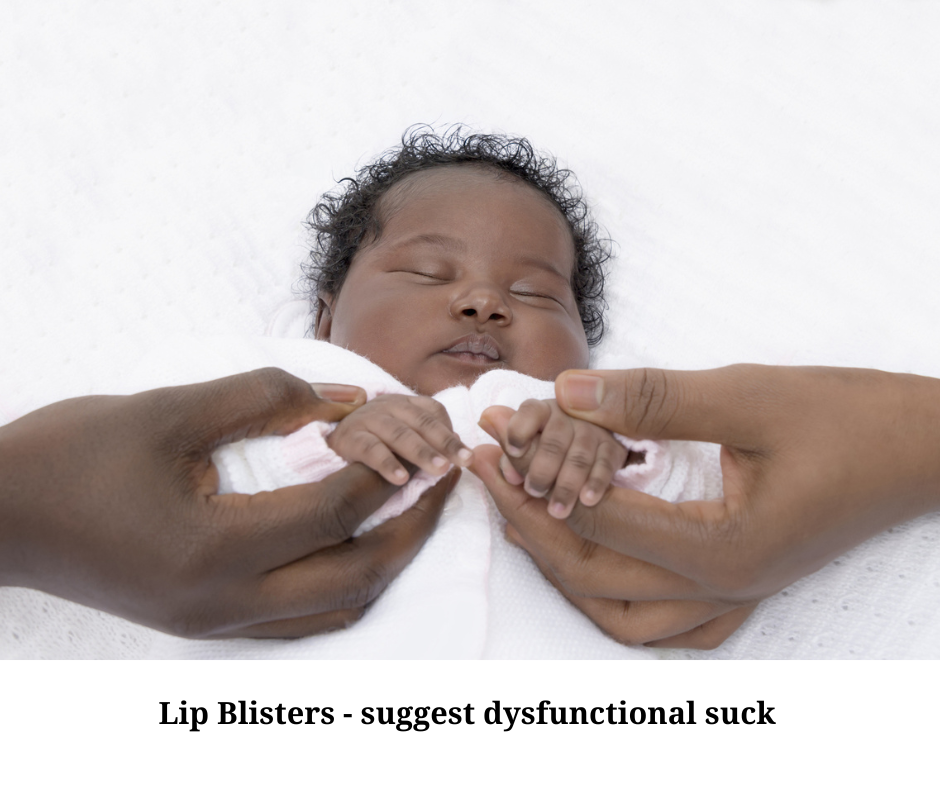
How to Treat a Sucking Blister on a Baby’s Lip
The best treatment is usually simple skin care and normal feeding. Follow these steps.
1. Keep feeding your baby
Continue breastfeeding or bottle-feeding if your baby is comfortable and feeding well. A sucking blister usually does not harm the baby or make feeding unsafe.
Do not stop feeding just because the spot looks unusual. Babies may suck often, and repeated feeding does not usually prevent the area from healing.
2. Leave the blister alone
Do not:
- Pop it
- Cut it
- Peel loose skin
- Scrape it
- Rub it
- Try to drain it
Opening the skin can cause pain and raise the risk of infection.
3. Keep the lip clean
If milk remains on the lip, gently wipe the area with a clean, damp cloth. Pat it dry. Avoid scrubbing.


Do not use alcohol, hydrogen peroxide, essential oils, antibiotic ointment, petroleum products, or herbal creams unless your baby’s health care professional recommends them. Some products can irritate newborn skin. A baby may also swallow them.
4. Check the latch if breastfeeding hurts
A sucking blister can be normal, but a poor latch may increase friction. A deep latch usually allows more of the areola—not only the nipple—to enter the baby’s mouth.
Signs of a feeding or latch problem may include:
- Ongoing nipple pain
- Cracked or bleeding nipples
- Clicking sounds during feeds
- Frequent slipping off the breast
- Long feeds with little swallowing
- Poor weight gain
- A baby who seems hungry after most feeds
Ask your pediatrician, family doctor, lactation consultant, or hospital-based feeding team to watch a feed. Do not try to reshape the baby’s lip or force the mouth open.
5. Check the bottle setup if your baby bottle-feeds
If your baby uses a bottle, make sure the nipple is intact and suitable for the baby’s age and feeding skills. A nipple that collapses, leaks, or has an unsuitable flow may make feeding harder.
Do not enlarge the nipple hole or change to a faster flow without advice. A fast flow can cause coughing, choking, gulping, or stress during feeds. A slow flow can lead to long, tiring feeds.
6. Watch the trend
A normal sucking blister should stay small or slowly improve. The skin may dry, flake, or come off on its own.
The most useful signs are not the spot alone. Look at your baby’s whole condition:
- Is the baby alert at normal times?
- Is the baby feeding well?
- Are wet diapers continuing?
- Is the baby gaining weight as expected?
- Is there no fever or spreading redness?
If the answer is yes, home observation is often reasonable.
How Long Does a Sucking Blister Take to Heal?
A sucking blister may fade over several days. Some remain visible for a few weeks, especially if the baby feeds often. It may come and go while the same rubbing continues.
There is no safe need to speed up the process. The skin usually repairs itself when it is protected from extra irritation.
Contact your baby’s pediatrician if the spot:
- Keeps getting larger
- Bleeds often
- Becomes very red or swollen
- Produces pus or yellow drainage
- Develops a thick yellow crust
- Seems painful
- Does not improve over time
- Appears with sores inside the mouth or on other parts of the body


A persistent or unusual lesion may not be a sucking blister. A clinician may need to examine it in person.

How to Tell a Sucking Blister From Other Lip Problems
Several newborn mouth and skin problems can look alike. These clues can help, but they do not replace an examination.
| What you notice | More consistent with | What to do |
|---|---|---|
| One smooth spot on the lip after feeding; baby acts well | Sucking blister | Leave it alone and monitor |
| White patches on the tongue, gums, cheeks, or roof of the mouth that do not wipe away easily | Possible oral thrush | Call the pediatrician |
| Clusters of small blisters, sores, or crusts around the mouth | Possible viral or bacterial infection | Contact a clinician promptly |
| Red, raw skin in the diaper area plus mouth patches | Possible thrush | Ask the pediatrician for advice |
| Sudden lip or face swelling with hives, vomiting, wheezing, or breathing trouble | Possible allergic reaction | Call 911 |
| A sore that bleeds, drains pus, or spreads redness | Possible infection or injury | Seek medical advice |
Sucking blister or cold sore?
Cold sores are caused by herpes simplex virus. In a young baby, herpes can become serious. A cold sore may begin as small blisters and then break into sores or crusts. It may occur around the mouth, nose, or eyes.
Do not kiss a newborn if you have an active cold sore. Wash your hands before touching the baby. Covering a cold sore does not replace hand hygiene.
Call a doctor promptly if your young baby has new blisters, sores, unusual sleepiness, poor feeding, fever, breathing changes, or seizures.
Sucking blister or thrush?
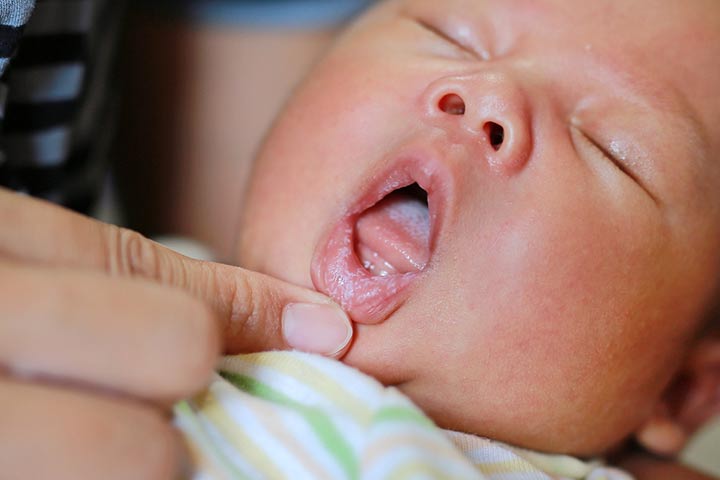
Thrush usually causes creamy white patches inside the mouth. The patches may not wipe away easily and can leave red tissue underneath. A white spot limited to the outer lip is less typical of thrush.
Thrush needs advice from a health professional. Do not give an over-the-counter medicine to a newborn unless the baby’s clinician tells you to use it.
When to Call a Pediatrician
Call your baby’s pediatrician if the lip spot changes or your baby seems unwell. A clinician should assess a baby who has trouble feeding, fewer wet diapers, or signs of pain.
For babies younger than 3 months, the American Academy of Pediatrics advises urgent medical evaluation for a rectal temperature of 100.4°F (38°C) or higher. Do not rely on a forehead or underarm reading when a young baby has possible fever without asking a health professional what to do.
Seek urgent help for:
- Trouble breathing
- Blue, gray, or pale skin
- Severe swelling of the lips, tongue, or face
- A baby who is difficult to wake
- Repeated vomiting with poor feeding
- Signs of dehydration
- A seizure
Call 911 for breathing trouble, severe allergic symptoms, or a baby who is unresponsive.
Signs of dehydration can include:
- Much fewer wet diapers than usual
- A very dry mouth
- No tears when crying, when tears are normally present
- A sunken soft spot on the head
- Marked sleepiness or weakness
Because wet diaper patterns vary by age and feeding method, ask your pediatrician what number is expected for your baby. A sudden drop from the baby’s usual pattern matters.

Common Mistakes to Avoid
Do not pop the blister
Popping creates an open wound. Newborn skin is delicate, and an open area can become infected.


Do not apply breast milk as a treatment without advice
Breast milk is food, not a proven treatment for every skin lesion. A small amount left on the skin is not usually a concern, but repeatedly applying it to a blister is not needed.
Do not use adult cold sore medicine
Products made for adults may not be safe for infants. Some contain medicines that should only be used when prescribed.
Do not assume every white spot is thrush
A lip callus is not the same as white patches inside the mouth. Treating the wrong condition can delay the right care.
Do not change feeding methods based only on the appearance
If your baby feeds well and has no warning signs, the blister alone usually does not require a new bottle, nipple, formula, or feeding schedule. Make changes when a clinician or feeding professional identifies a clear reason.
What Parents Can Do Today
Use this short checklist:
- Look at the spot without touching or opening it.
- Check whether your baby is feeding normally.
- Clean away milk with a damp, soft cloth if needed.
- Watch for fever, spreading redness, drainage, or mouth sores.
- Call the pediatrician if the spot persists, worsens, or comes with feeding problems.
- Seek emergency care for breathing trouble, severe swelling, or a baby who is hard to wake.
For most babies, the correct treatment is time, gentle care, and continued observation.
Key Takeaways
- A sucking blister is often a harmless thickened spot caused by feeding friction.
- Most sucking blisters need no medicine.
- Keep feeding if your baby is comfortable and feeding well.
- Do not pop, peel, scrub, or drain the spot.
- Check the latch or bottle setup if feeding is painful or difficult.
- Call the pediatrician for worsening skin changes, poor feeding, dehydration, or a fever.
- For a baby under 3 months, a rectal temperature of 100.4°F (38°C) or higher needs urgent medical advice.
Frequently Asked Questions
Can I put breast milk, lanolin, or lotion on a sucking blister?
Usually, no treatment is needed. Do not apply lanolin, lotion, antibiotic ointment, or other products unless your baby’s clinician recommends it. Products can irritate the skin or be swallowed.
Should I stop breastfeeding if my baby has a sucking blister?
Usually not. If your baby feeds well and the spot looks like a simple sucking callus, you can generally continue breastfeeding. Get help if breastfeeding causes ongoing pain or your baby cannot latch well.
Can a bottle cause a sucking blister?
Yes. Repeated pressure and rubbing from a bottle nipple can cause a similar spot. Check that the nipple is intact and that the flow suits your baby. Ask a feeding professional before making major changes.
Is a sucking blister painful for a baby?
It often does not seem painful. A baby who cries during feeds, pulls away, refuses feeds, or has a worsening lesion may have another problem or may need a feeding assessment.
When should I take a photo or call the doctor?
Take a clear photo if the spot changes. Call the pediatrician if it grows, bleeds, drains, becomes red or swollen, lasts longer than expected, or appears with poor feeding or fever. A photo can help show the change, but it cannot replace an examination.
Conclusion
Most sucking blisters on a baby’s lips are harmless marks from normal feeding. Leave the area intact, keep it clean, and continue feeding when your baby is comfortable. The main safety step is knowing when the appearance is not typical—especially with fever, poor feeding, dehydration, spreading redness, drainage, or clusters of sores.


For additional guidance, use trusted US sources such as HealthyChildren.org from the American Academy of Pediatrics, Seattle Children’s symptom guidance, and the Centers for Disease Control and Prevention information on breastfeeding and infant care.
