
Most jogging strollers are not safe for newborns unless designed for newborn use and fully reclined.
The question “are jogging strollers safe for newborns” has a careful answer. Most newborns lack the head, neck, and trunk control needed for the movement and bumps of a jogging stroller. This guide explains age limits, safe features, setup tips, and when you can safely begin running with your baby.
Are jogging strollers safe for newborns?
For most babies, jogging strollers are not safe for newborns during outdoor walks or runs. A newborn’s neck muscles are still weak, so the baby may not keep the head steady when the stroller moves over cracks, gravel, or uneven sidewalks.
Many jogging strollers use a seat that tilts back but does not lie completely flat. This position can let a young baby’s head fall forward. That can make breathing harder and may place stress on the neck and spine.


The safest rule is simple:
• Use a jogging stroller for a newborn only when the manufacturer clearly approves it for newborn use.
• Use the stroller only with an approved bassinet, newborn insert, or compatible car seat.
• Do not jog with a newborn unless the manufacturer specifically says running is safe at that age.
• Wait until your baby has strong head and neck control before using the jogging mode.
In many cases, parents can use the stroller for slow walks with a newborn-approved attachment. The running feature usually must wait until the baby is at least 6 months old. Some brands advise waiting until 8 or 9 months, so always check the product manual.

Why newborns need extra support
Newborn babies are not small versions of older babies. Their bodies need more support, especially around the head, neck, back, and hips.
A stroller ride may seem smooth to an adult. However, a baby feels each bump more strongly. The stroller can also shift suddenly when you turn, stop, or cross a rough surface.
Head and neck control
A newborn cannot reliably hold the head in a stable position. The head may roll to one side or tip toward the chest. This is one reason a standard upright stroller seat is not suitable for most newborns.
Good newborn support should:
• Keep the baby’s head in a neutral position
• Support the full length of the back
• Prevent the chin from pressing toward the chest


• Keep the baby from sliding or leaning to one side
Breathing concerns
A slumped position can narrow a baby’s airway. This risk is higher when the baby is small, sleepy, or placed in a soft insert that does not fit correctly.
Never add a loose pillow, blanket, or homemade cushion to improve support. These items can move near the baby’s face. Use only accessories approved for that specific stroller.
Developing bones and joints
Newborn bones and joints are still developing. A flat, supportive surface is usually better for rest than a bent stroller seat. A jogging stroller should not replace a crib or bassinet for routine sleep.
This is why the answer to “are jogging strollers safe for newborns” depends on the stroller’s design, the attachment, and how you use it.

When can a baby ride in a jogging stroller?
Most babies are ready for jogging stroller use between 6 and 8 months. Age alone is not enough, though. Your baby should also show good physical control.
Look for these signs:
• Your baby can hold the head steady without support.
• Your baby can sit upright with little help.
• Your baby does not slump forward or fall to the side.
• Your baby stays stable when the stroller rolls over small changes in the path.
• Your pediatrician has no concerns about your baby’s development.
A baby who reaches 6 months but still has poor head control may need more time. Premature babies may also need an adjusted timeline based on their corrected age and development.
Ask your child’s pediatrician if you are unsure. A health professional can consider your baby’s age, muscle tone, medical history, and development.
Walking is different from jogging
A stroller may be suitable for a slow walk before it is suitable for running. Walking creates less impact and fewer sudden movements. Jogging adds speed, vibration, turning force, and a higher chance of hitting uneven ground.
So, even if a stroller is approved for a newborn walk, that does not mean it is approved for newborn jogging. This distinction is central when asking, “are jogging strollers safe for newborns?”


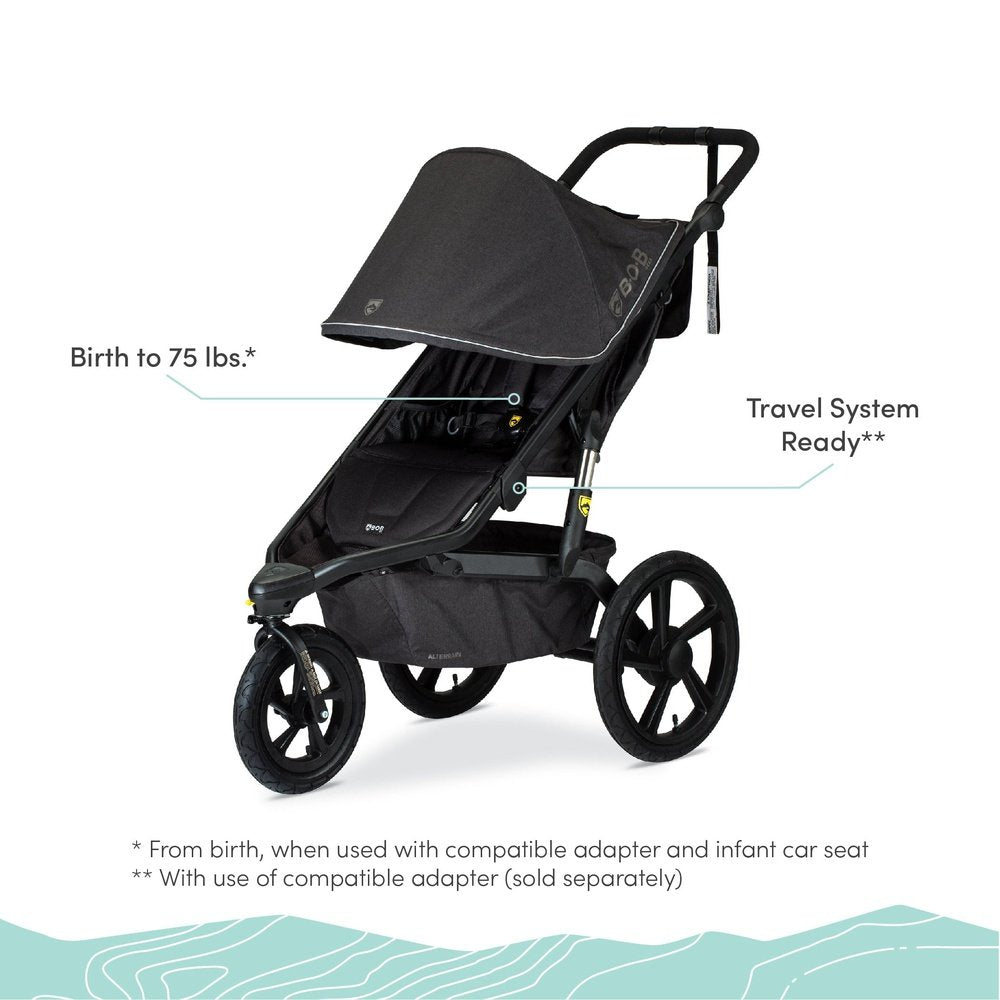
Newborn features to look for
If you want to use one stroller from birth, choose a model with clear newborn support. Do not rely on marketing words such as “all-terrain” or “jogger system.” Check the actual manual and age instructions.
Important features include:
• A manufacturer-approved bassinet or carrycot
• A fully flat, firm, and supportive sleeping surface
• A compatible infant car seat attachment
• A secure connection between the attachment and frame
• A deep canopy for shade
• Good airflow around the baby
• A five-point harness for use in the stroller seat when age appropriate
• A wrist strap for the person pushing
• A parking brake that locks both rear wheels
• A front wheel that can lock for jogging
• A wide, stable wheelbase
• A suspension system that reduces vibration
A car seat adapter can make a stroller useful for short trips. Still, an infant car seat is designed for travel, not long naps or extended stroller sleep. Move your baby to a firm, flat sleep surface when you reach your destination.
Check the weight and height limits
Every stroller has limits. These may include:
• Minimum age
• Minimum weight
• Maximum weight
• Maximum height
• Maximum head clearance


• Maximum load in the storage basket
Never exceed these limits. A heavy diaper bag can affect balance, especially when it hangs from the handle. Use the storage area listed in the manual instead.

Safe ways to use a jogging stroller with a young baby
If your stroller is approved for newborn use, begin with short, slow walks. Choose a smooth path close to home. Avoid trails, steep hills, and crowded areas at first.
Use this simple safety check before every outing:
Read the manual and confirm the attachment is approved for your baby’s age and size.
Inspect the frame, wheels, brakes, harness, and attachment points.
Lock the car seat, bassinet, or stroller seat into place.
Make sure the baby’s head and neck are supported.
Check that straps are snug but not tight.
Keep the baby’s face clear of blankets and loose items.
Use the wrist strap while moving.
Keep one hand on the handlebar.
Test the brakes before starting.
Stop if your baby slumps, cries unusually, feels too warm, or seems uncomfortable.
Never leave a baby alone in a stroller. Do not let the stroller stand on a slope without the brake engaged. Also, do not hang bags from the handlebar because the stroller may tip backward.
Weather matters
Newborns can become too hot or too cold more quickly than adults. Use the canopy for shade, but do not cover the stroller with a blanket. Covering the opening can reduce airflow and cause heat to build up.
On hot days, walk during cooler hours. Check your baby’s chest or back rather than hands and feet. Sweaty skin, flushed skin, unusual sleepiness, or rapid breathing can signal overheating.

When is it safe to jog with a baby?
Running with a baby requires more than a stroller labeled “jogging.” The baby must be developmentally ready, and the stroller must be designed for running.
Before jogging, confirm that:
• Your baby meets the manufacturer’s minimum age.
• Your baby has strong head and neck control.
• Your baby can sit upright without collapsing forward.
• The stroller has a fixed front wheel or approved running position.
• The five-point harness fits correctly.
• The wrist strap is attached to your wrist.


• The route is smooth and free from traffic hazards.
Start with a slow walk. Then try a brief jog on a flat surface. Keep the first run short so you can watch your baby’s position and comfort.
Avoid sudden turns, sharp stops, steep hills, stairs, and rough trails. A jogging stroller is not a substitute for a bicycle trailer, and it should never be used near moving traffic without careful control.
The answer to “are jogging strollers safe for newborns” is almost always no when “jogging” means actual running. Even newborn-approved stroller systems generally allow only gentle walking at first.
Common mistakes parents should avoid
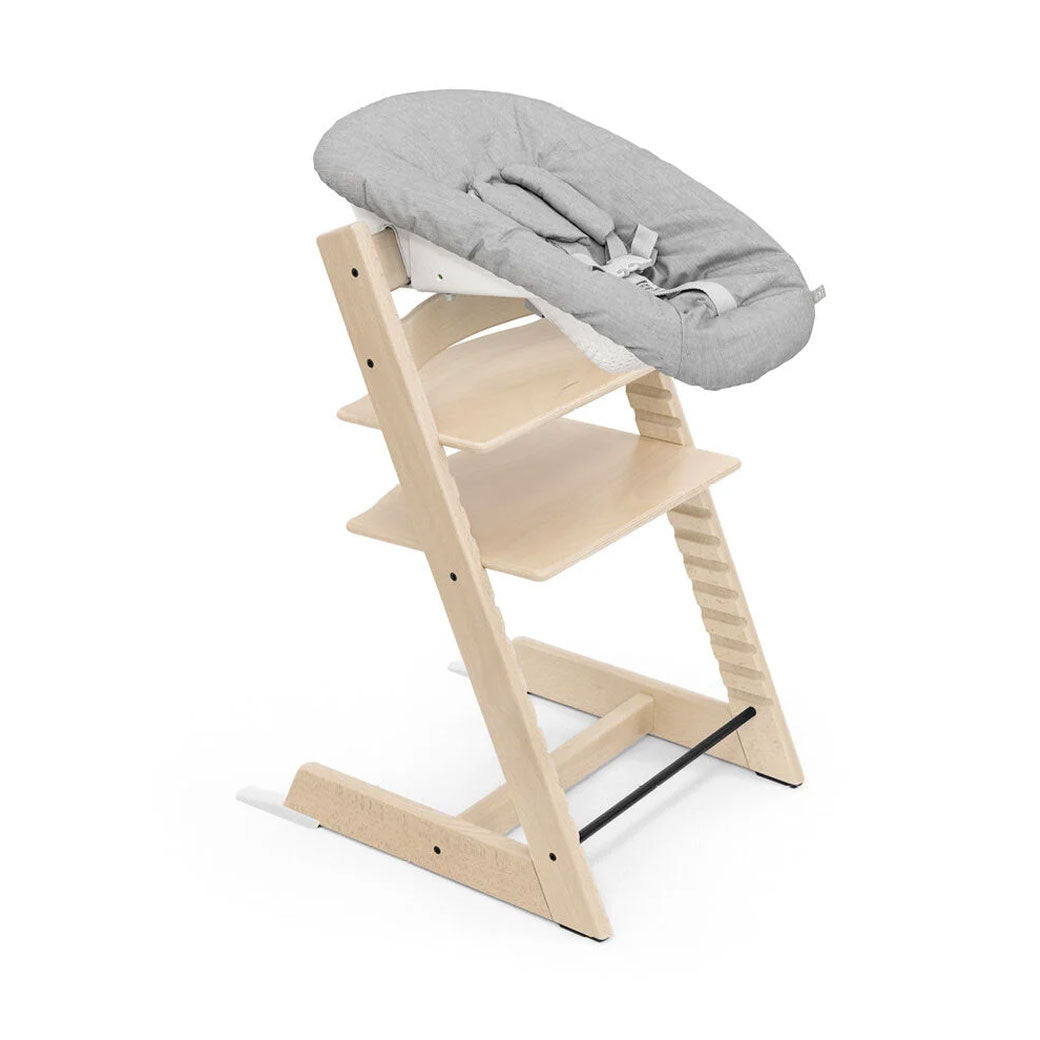
Many stroller injuries happen because a parent assumes the product is ready to use in every mode. A stroller can be safe for walking but unsafe for jogging. It can also be approved from birth with a bassinet but not with the regular seat.
Avoid these common mistakes:
• Running with a baby who cannot hold the head steady
• Using a regular seat in a nearly upright position
• Adding an unapproved newborn pillow
• Letting the baby sleep for a long time in a car seat
• Leaving the front wheel unlocked while jogging
• Forgetting the wrist strap
• Hanging heavy bags from the handle
• Using a stroller with loose screws or damaged wheels
• Covering the stroller with a thick blanket
• Ignoring a product recall
A practical lesson from stroller safety reviews is that small details matter. A loose harness, an unlocked wheel, or a poorly fitted adapter can change the way the stroller handles.
Before buying, search the product’s recall history and read the current manual. Manuals can change, and accessories made for one model may not fit another.

Jogging stroller safety standards and expert guidance
In the United States, stroller safety rules address issues such as brakes, restraints, structural strength, and stability. The Consumer Product Safety Commission also publishes safety information and recall notices for children’s products.
The American Academy of Pediatrics advises parents to use stroller restraints, keep children seated while the stroller moves, and follow the manufacturer’s instructions. Pediatric guidance also supports waiting until babies have the physical control needed for jogging stroller use.
Manufacturers set different age limits because stroller designs vary. Some models have adjustable suspension and a fully reclining seat. Others require a separate bassinet or car seat. Never assume that one brand’s age guidance applies to another brand.
There is no single answer for every family because “are jogging strollers safe for newborns” depends on several factors:
• The baby’s development
• The stroller’s design
• The attachment being used
• The surface and speed
• The parent’s control
• The weather and length of the trip
When guidance conflicts, follow the strictest instruction. Your baby’s pediatrician and the stroller manual should guide the final decision.

How to choose a jogging stroller for future use
You do not need to buy a newborn-ready jogging stroller if you are comfortable waiting. Many parents use a regular stroller or bassinet for the early months, then begin jogging later.
If you want one stroller for several stages, compare:
• Newborn compatibility
• Bassinet availability
• Car seat compatibility
• Minimum age for running
• Harness design
• Wheel lock
• Brake quality
• Handlebar height
• Suspension
• Folded size
• Weight
• Warranty
• Recall history
Take the stroller for a test walk before buying if possible. Check whether you can reach the brake quickly, control the handle with one hand, and lift the folded stroller safely.
A smooth ride is helpful, but it does not prove that the stroller is safe for a newborn. Newborn support and correct use matter more than large wheels or a sporty frame.
Frequently Asked Questions
Are jogging strollers safe for newborns during a slow walk?
Some are safe for slow walks when used with a manufacturer-approved bassinet, flat newborn bed, or compatible infant car seat. The regular jogging seat may not provide enough head and neck support, even when fully reclined.
Can I jog with a newborn in a car seat attached to the stroller?
Usually, no. An infant car seat attachment may be approved for short walks, but jogging creates extra vibration and movement. Wait until the manual permits running and your baby has strong head and neck control.
What age is best for a jogging stroller?
Many babies are ready around 6 to 8 months, but development matters more than the calendar. Your baby should sit steadily, control the head, and meet the stroller maker’s minimum age.
Is a fully reclining stroller safe for a newborn?
A fully reclining seat may be safer than an upright seat, but it is not automatically approved for newborns. Confirm that the manufacturer allows newborn use and provides proper support for the head, back, and body.
Can a newborn sleep in a jogging stroller?
A newborn should not use a jogging stroller as a routine sleep space. If your baby falls asleep during a walk, follow safe sleep guidance and move the baby to a firm, flat, approved sleep surface as soon as practical.
What safety features should a jogging stroller have?
Look for a five-point harness, reliable brakes, a locking front wheel, a wrist strap, stable wheels, and a secure newborn attachment when needed. Always match the feature to the correct age and mode of use.
Are jogging strollers safe for newborns on rough trails?
No, rough trails add bumps and sudden movement that can be hard on a newborn. Use a newborn-approved attachment only for gentle walks on smooth, safe paths, and wait until your baby is older for trail jogging.
Conclusion
So, are jogging strollers safe for newborns? Most are not safe for jogging or for use with a standard stroller seat. A newborn may ride in some models for gentle walks when the stroller has a manufacturer-approved bassinet, flat bed, or infant car seat attachment.
Wait for strong head and neck control before jogging. Check the manual, use every restraint, inspect the stroller often, and ask your pediatrician when your baby’s development is unclear. Make safety the first part of your running plan, then enjoy the miles when your baby is truly ready. Share your stroller questions or explore trusted child safety resources before your next outing.
