
You can jog with a four-wheel stroller only when the maker clearly approves it for running.
The number of wheels does not decide whether a stroller is safe for jogging. A proper running stroller needs more than four wheels. It should have a strong frame, a secure harness, reliable brakes, good wheel clearance, and a design that stays stable at faster speeds. This guide explains when you can jog with a 4 wheel stroller, when you should not, and how to make a safe choice for your child.
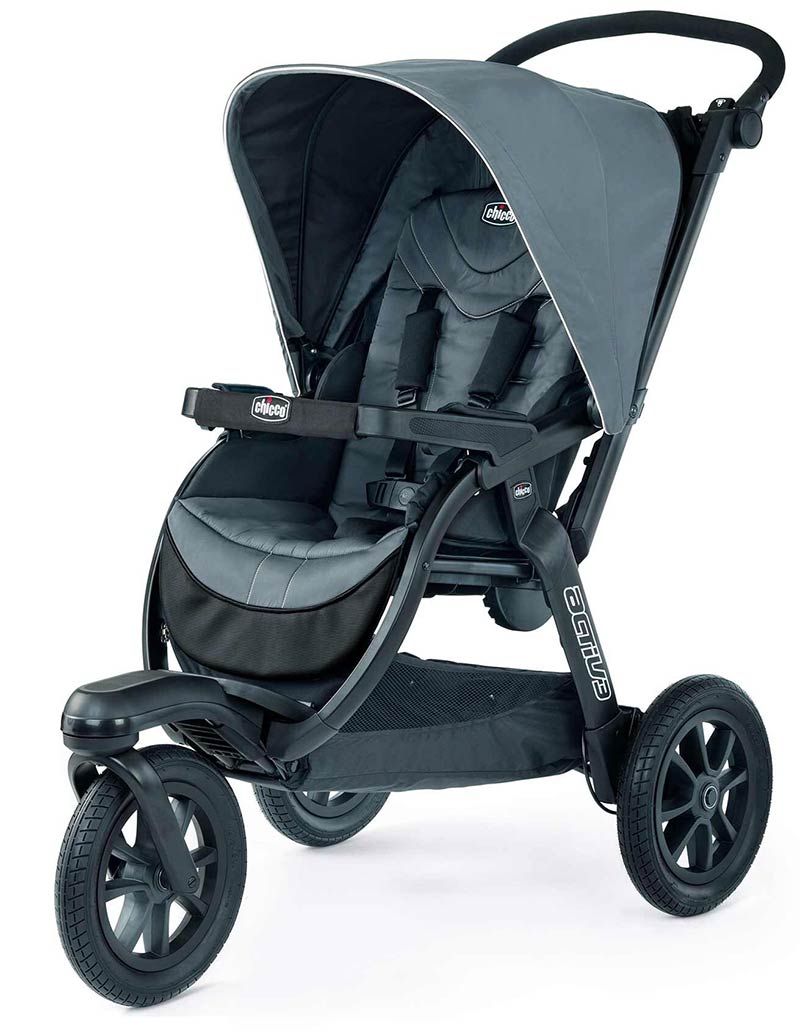
Can You Jog With a 4 Wheel Stroller?
You can jog with a 4 wheel stroller only if the stroller is built and labeled for jogging. Most everyday four-wheel strollers are made for walking, shopping, and light outdoor use. They are not designed to handle the speed, impact, or balance changes that come with running.


A jogging stroller may have three wheels or four wheels. Wheel count alone does not make it safe. The key features are the frame, wheel design, suspension, braking system, harness, and manufacturer approval.
If the product guide says “jogging stroller,” “running stroller,” or “approved for jogging,” it may be suitable. If the guide says “walking only,” do not jog with it, even if it feels sturdy.
A four-wheel stroller can tip or pull to one side when you turn quickly. Small front wheels may also catch on cracks, grass, gravel, or tree roots. At walking speed, this may be easy to control. At jogging speed, the same issue can cause a sudden stop or a dangerous tip.
When people ask, “Can you jog with a 4 wheel stroller?” the safest answer is to check the product manual first. The manual is more reliable than the stroller’s appearance or a salesperson’s opinion.

Why Most Four-Wheel Strollers Are Not Made for Running
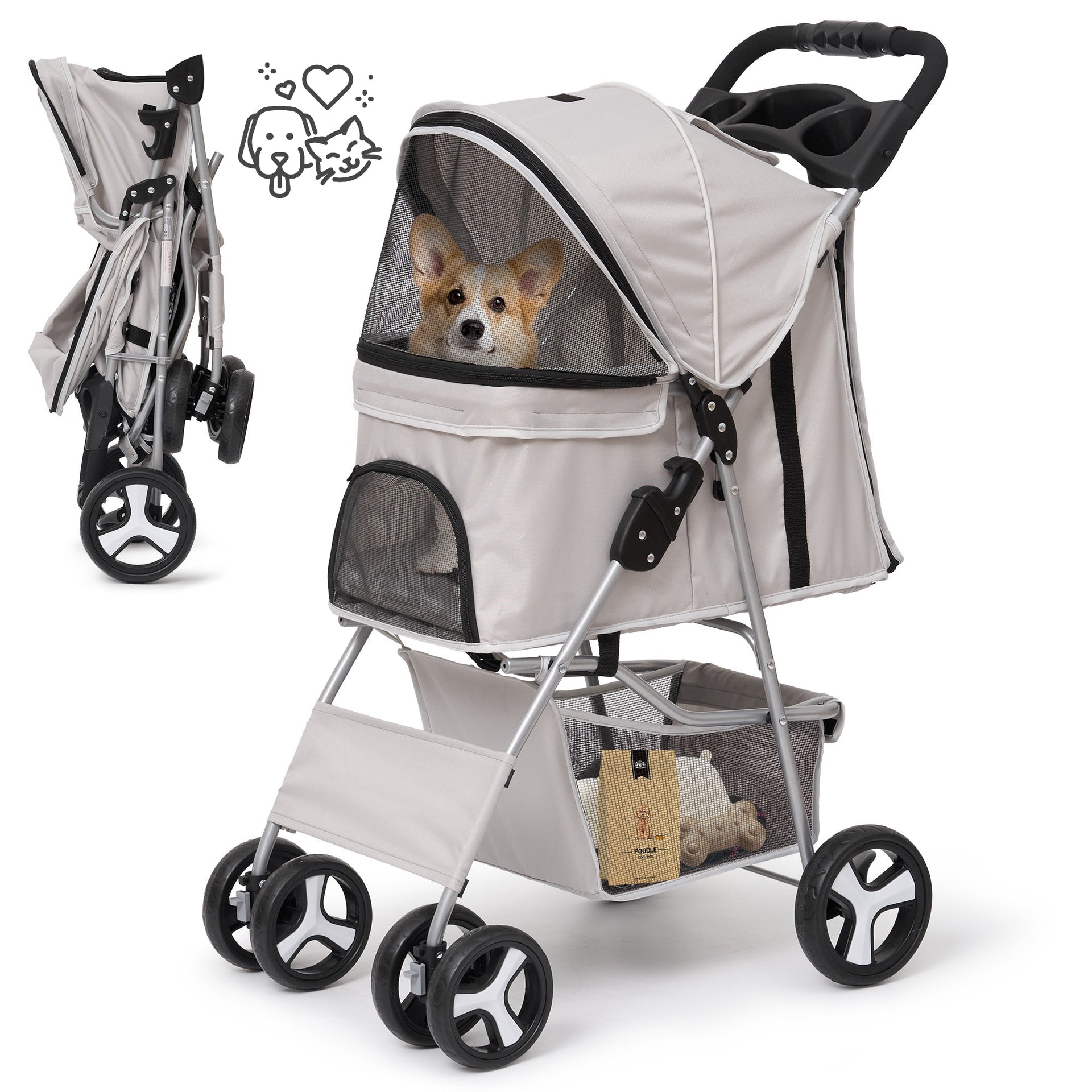
A standard four-wheel stroller is usually designed for slow, controlled movement. It often has small swivel wheels and a light frame. These features make it easy to turn in stores, but they can reduce stability during a run.
Jogging creates forces that walking does not. Each stride can send vibration through the stroller. Your hands may also pull the handle as you speed up, slow down, or change direction. A stroller must manage these forces without wobbling.
Common limits of regular four-wheel strollers include:
• Small wheels that can stop suddenly on rough ground
• Short wheel spacing that may reduce stability


• A flexible frame that can twist during fast turns
• Weak or hard-to-reach parking brakes
• No hand brake for downhill control
• No wrist strap to keep the stroller close
• Poor suspension for bumps and uneven paths
• A front wheel that swivels too freely at speed
This does not mean every four-wheel stroller is unsafe. Some performance strollers use four wheels and are designed for running. However, these models usually have large air-filled or rubber wheels, a firm frame, strong brakes, and clear running instructions.
So, can you jog with a 4 wheel stroller if it has four large wheels? Maybe, but only when the manufacturer approves it. A visual inspection cannot replace the instructions.

Features of a Safe Four-Wheel Jogging Stroller
If you are looking for a four-wheel jogging stroller, focus on function rather than looks. A good model should help you control the stroller with one hand while keeping your child secure.
A fixed or lockable front wheel
A front wheel that swivels freely is useful for walking. It may become unstable when jogging. A lockable front wheel helps the stroller track in a straight line.
Some strollers let you switch between swivel mode and fixed mode. Use the fixed setting for running if the manual recommends it.
Large, durable wheels
Large wheels roll over small bumps more smoothly. They also reduce the chance of getting stuck in cracks. Air-filled tires often provide a soft ride, while foam-filled or solid rubber tires require less maintenance.
Check the tires often. Low tire pressure can affect steering and balance. A damaged tire can also make the stroller pull to one side.
A strong frame
The frame should feel firm when you push the handle from side to side. It should not fold, twist, or make unusual sounds during normal movement.
A strong frame acts like the stroller’s skeleton. If the skeleton bends too easily, the stroller may be harder to control during a run.


A hand brake and parking brake
A hand brake gives you more control on slopes. The parking brake keeps the stroller still when you stop.
Test both brakes before every run. Never assume the brake works because it worked the last time. Dirt, wear, or a loose cable can change its performance.
A five-point harness
Your child should use the five-point harness every time. It should fit over the shoulders, around the waist, and between the legs.
The harness should be snug but not painfully tight. You should not be able to pinch a large amount of extra strap near the child’s shoulders.
A wrist strap
A wrist strap helps prevent the stroller from rolling away if you lose your grip. Put it around your wrist before you start moving.
Do not attach the strap to your child. It belongs on the adult’s wrist and should allow enough room for safe steering.
Good suspension and a secure seat
Suspension helps reduce vibration on uneven paths. The seat should hold your child upright and should not move loosely within the frame.
A deep recline may be useful for walking, but it does not automatically make a stroller suitable for running. Follow the age and position rules in the manual.
When Can You Start Jogging With a Baby?
Most stroller makers advise waiting until a baby can sit upright with steady head and neck control. For many babies, this is around six months, but age alone is not enough.
A young baby may not have the strength to handle repeated bumps. A moving stroller can create sudden motion, especially on sidewalks and paths. A stroller seat that reclines is not always safe for jogging with a small baby.
Before you run, check:
• The minimum age listed by the manufacturer
• Whether the seat must be fully upright
• Whether the stroller allows jogging with a newborn insert
• Whether the baby has steady head and neck control
• Whether your child’s doctor has raised any health concerns


Do not place a baby in a car seat and assume the setup is ready for running. Car seats are made for travel protection, not for the repeated movement of a jog. Use a car seat for jogging only when the manufacturer specifically allows it, which is uncommon.
If your child was born early or has a medical condition, ask a pediatrician before starting. A health professional can give advice based on your child’s development.
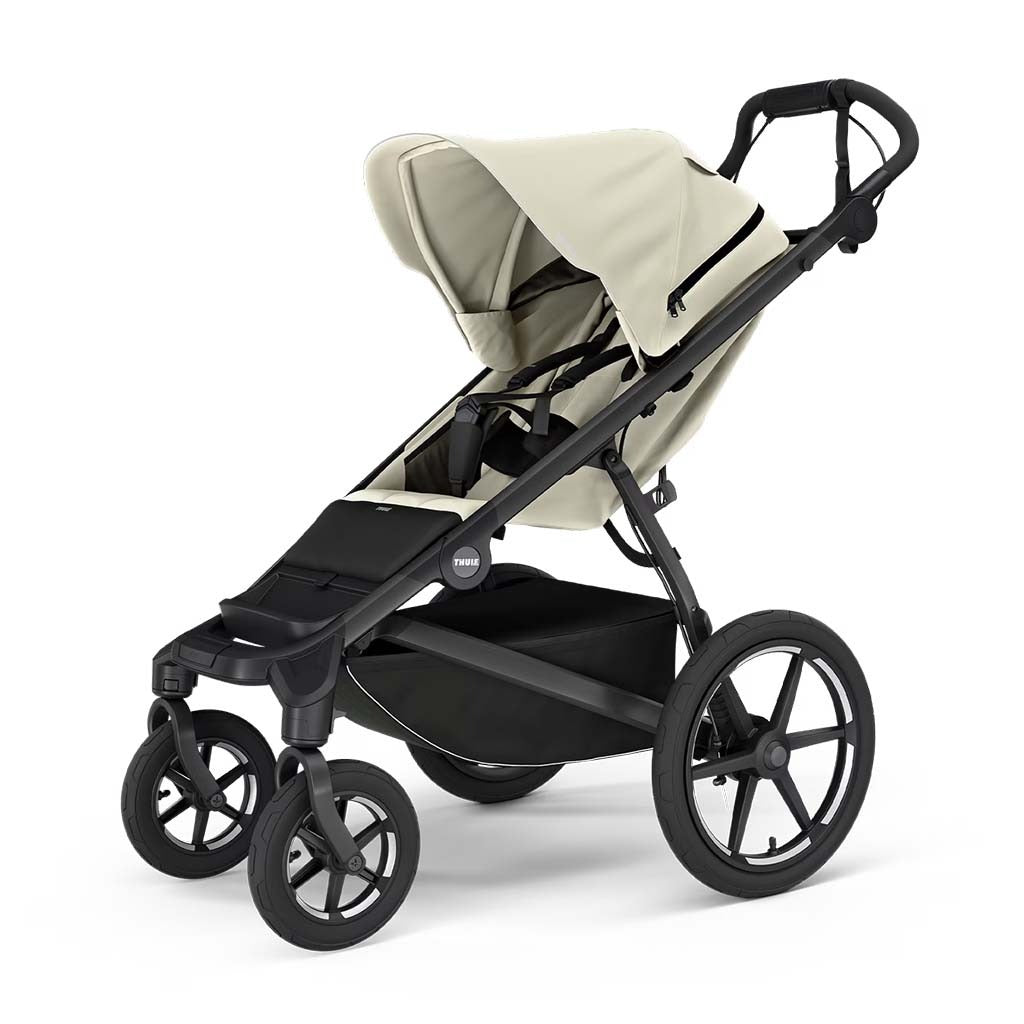
How to Jog Safely With a 4 Wheel Stroller
Even with an approved model, begin slowly. A stroller changes how your body moves and how you judge space. The first few runs should be practice sessions, not hard workouts.
1. Read the manual
Look for clear instructions about jogging, running, age, weight, terrain, and wheel settings. Keep the manual on your phone if possible.
If the manual does not mention jogging, contact the manufacturer. If you cannot confirm approval, use the stroller for walking only.
2. Inspect the stroller
Before each run, check:
• Wheel attachment and tire condition
• Harness fit and buckle function
• Front-wheel lock
• Hand brake and parking brake
• Handlebar and frame
• Wrist strap
• Folding locks and adjustment points
Remove loose toys, blankets, and bags that could fall into the wheels. Keep heavy items low and centered. Avoid hanging a heavy bag from the handle because it can affect balance.
3. Choose a safe route
Start on a smooth, flat surface. A paved park path is usually easier to manage than a busy sidewalk.
Avoid:
• Steep hills
• Crowded paths
• Wet leaves
• Loose gravel
• Sand


• Ice
• Roads without a safe shoulder
• Paths with deep cracks or large roots
Run in daylight when you can see changes in the surface. Keep your route close to home during early practice sessions.
4. Use a controlled pace
Jog at a pace that lets you stop quickly. You should be able to speak in short sentences and keep both eyes on the path.
Do not sprint with a stroller. Do not push the stroller far ahead of your body. Keep it close enough to control while maintaining a relaxed grip.
5. Slow down before turns and slopes
Straight paths are easier than sharp turns. Slow down well before a corner. Use the hand brake on a downhill section if the manual supports it.
Never yank the handle to change direction. Smooth movements are safer and more comfortable for your child.
6. Stop if your child seems uncomfortable
Watch for crying, slumping, sweating, unusual silence, or a loose harness. Check the child’s position and temperature.
A child may not be able to explain that the stroller is shaking too much. Treat signs of distress as a reason to stop and check.
Four-Wheel Jogging Stroller vs. Three-Wheel Jogging Stroller
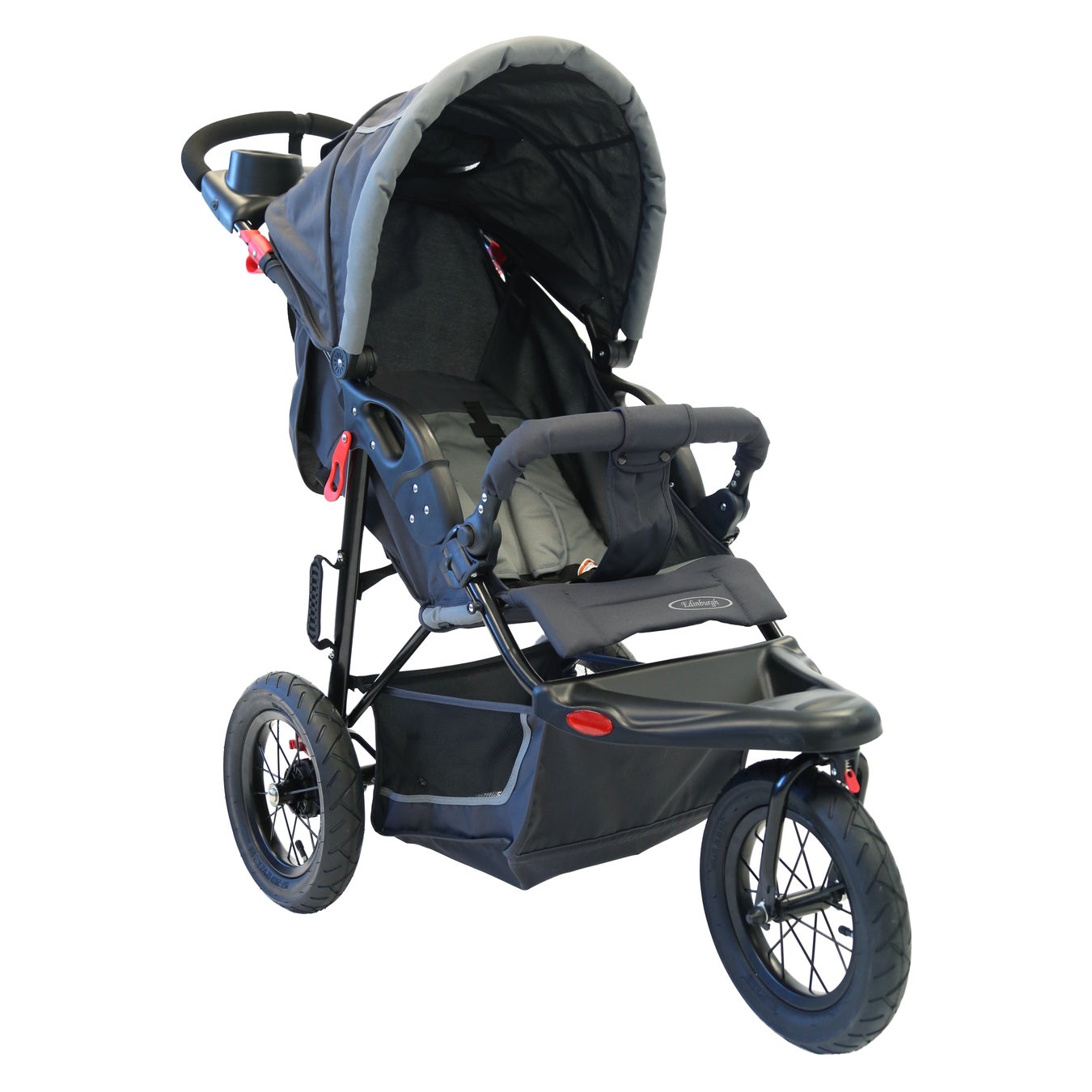
A three-wheel jogging stroller often has one large front wheel and two rear wheels. This layout can make the stroller easier to guide in a straight line. It is common in running strollers.
A four-wheel jogging stroller may offer a wider base and more stability when standing still. Some parents also like the extra balance during walking and everyday use.
Neither design is always better. A well-made four-wheel running stroller can be safer than a poor-quality three-wheel model. Compare the actual features instead of counting wheels.
| Feature | Four-wheel jogging stroller | Three-wheel jogging stroller |
|---|---|---|
| Stability at rest | Often very stable | Stable, but depends on the base |
| Turning | May feel more controlled | Often turns quickly |
| Straight tracking | Good with a locked front wheel | Often strong with a fixed front wheel |
| Everyday use | Often useful for errands | May be less convenient in tight spaces |
| Running ability | Depends on the model | Depends on the model |
| Main safety factor | Design and approval | Design and approval |
This comparison explains why the question “Can you jog with a 4 wheel stroller?” has no answer based on wheel count alone. The stroller’s complete design matters more.
Common Mistakes to Avoid
Many stroller problems happen because parents treat a running stroller like a normal stroller. A few simple mistakes can increase risk.
• Jogging with a stroller that is approved for walking only
• Running before the child has steady head and neck control
• Leaving the front wheel in swivel mode at high speed
• Forgetting the wrist strap
• Running with an unlocked harness
• Hanging a heavy diaper bag from the handle
• Jogging on steep or rough ground too soon
• Ignoring low tire pressure
• Running near traffic without a clear safety plan
• Using a stroller with a damaged frame or brake
One mistake deserves special attention: adding a child who is too young because the stroller reclines. Reclining helps with comfort, but it does not remove the effects of bumps and speed.
A stroller should also be used only within its stated weight limit. The limit may include the child, accessories, and items in the storage basket. Check the manual before loading extra gear.
How to Test a Four-Wheel Stroller Before Running
You can perform a basic test before taking your child on a jog. This will not replace the manufacturer’s guidance, but it can reveal obvious problems.
Push the empty stroller over a smooth path.
Lock the front wheel if the stroller has that feature.
Walk faster and watch for wobbling or pulling.
Test the brake on a gentle slope without your child inside.
Push over a small bump at walking speed.
Check that the frame stays firm and quiet.
Add only the permitted load and repeat the walking test.
Practice stopping, turning, and using the wrist strap.
Do not test a stroller by running fast with your child inside. Safety testing should begin with low speed and low risk.
If the stroller shakes, pulls, rattles, or feels hard to stop, stop using it for jogging. A return, repair, or replacement is safer than trying to adjust to a problem.
Health and Comfort Tips for Parents
Jogging with a child changes your posture. Many adults push with one hand, lean forward, or hold the handle too tightly. These habits can cause wrist, shoulder, or back pain.
Keep your shoulders relaxed and your elbows slightly bent. Use both hands when the path is rough or crowded. Alternate hands only when it is safe and the stroller remains under full control.
Dress your child for the weather. A stroller may block wind while also trapping heat. Use the stroller’s canopy for shade, but keep airflow open and check your child often.
Bring water for longer outings, but do not overload the storage basket. A short run with a light stroller is often safer than a long run filled with toys, bags, and supplies.
A useful rule is simple: the stroller should support your run, not make you fight for control. If pushing it feels awkward, slow down or walk.
What Safety Standards and Expert Guidance Tell Us
Stroller safety rules focus on issues such as braking, restraint systems, structural strength, and stability. In the United States, stroller manufacturers must meet federal requirements for products sold to consumers. Industry testing standards also address stroller performance and safety.
However, a stroller that meets basic stroller requirements is not automatically a jogging stroller. Running creates extra demands, so the product should have specific instructions for jogging.
The safest approach combines:
• Federal safety requirements
• Manufacturer instructions
• Proper child age and development
• Correct use of harnesses and brakes
• A suitable running surface
• Careful adult supervision
No stroller can remove every risk. Uneven ground, traffic, weather, and human error still matter. Treat manufacturer guidance as the starting point, not a substitute for good judgment.
Frequently Asked Questions About Can You Jog With a 4 Wheel Stroller
Can you jog with any four-wheel stroller?
No. Most four-wheel strollers are designed for walking, not running. Jog only when the manufacturer clearly states that the model is suitable for jogging.
Is a four-wheel stroller safer than a three-wheel stroller for jogging?
Not always. A four-wheel stroller can be very stable, but safety depends on the frame, wheel size, front-wheel lock, brakes, harness, and manufacturer approval.
What age can a baby ride in a jogging stroller?
Many manufacturers recommend waiting until a baby is about six months old and can hold the head and neck steady. Always follow the stroller manual and ask a pediatrician if your child has special health needs.
Can you jog with a baby in a car seat attached to a stroller?
Usually, no. A car seat attachment does not automatically make a stroller safe for running, so use this setup only if the manufacturer specifically approves jogging with it.
Should the front wheel be locked while jogging?
If the stroller has a lockable front wheel, manufacturers commonly advise locking it for running. A fixed wheel usually improves straight-line control, but follow the exact instructions for your model.
Can you jog with a four-wheel stroller on gravel?
Only if the stroller is approved for that surface and has suitable wheels and suspension. Start slowly, avoid deep gravel, and stop if the stroller becomes hard to steer or control.
What should you do if the stroller pulls to one side?
Stop and check the tire pressure, wheel attachment, front-wheel setting, and frame. If the problem remains, do not jog with the stroller until it has been inspected or repaired.
Conclusion
You can jog with a 4 wheel stroller when it is specifically designed and approved for running. Wheel count alone is not enough. Look for a stable frame, large wheels, a lockable front wheel, reliable brakes, a five-point harness, a wrist strap, and clear age guidance.
Start with a smooth route and a slow pace. Inspect the stroller before every run, keep your child secure, and stop if the stroller or your child seems uncomfortable. Make an informed choice by reading the manual, checking safety features, and exploring trusted stroller resources before your next family run.
