
Yes, jogging strollers can work every day when you value smooth rides, strong wheels, and outdoor comfort.
Are jogging strollers good for everyday use? The answer depends on your routine, storage space, and tolerance for a larger frame. After comparing stroller design, safety guidance, and common family needs, this guide explains where jogging strollers shine, where they create hassle, and how to choose one wisely.
What Is a Jogging Stroller?
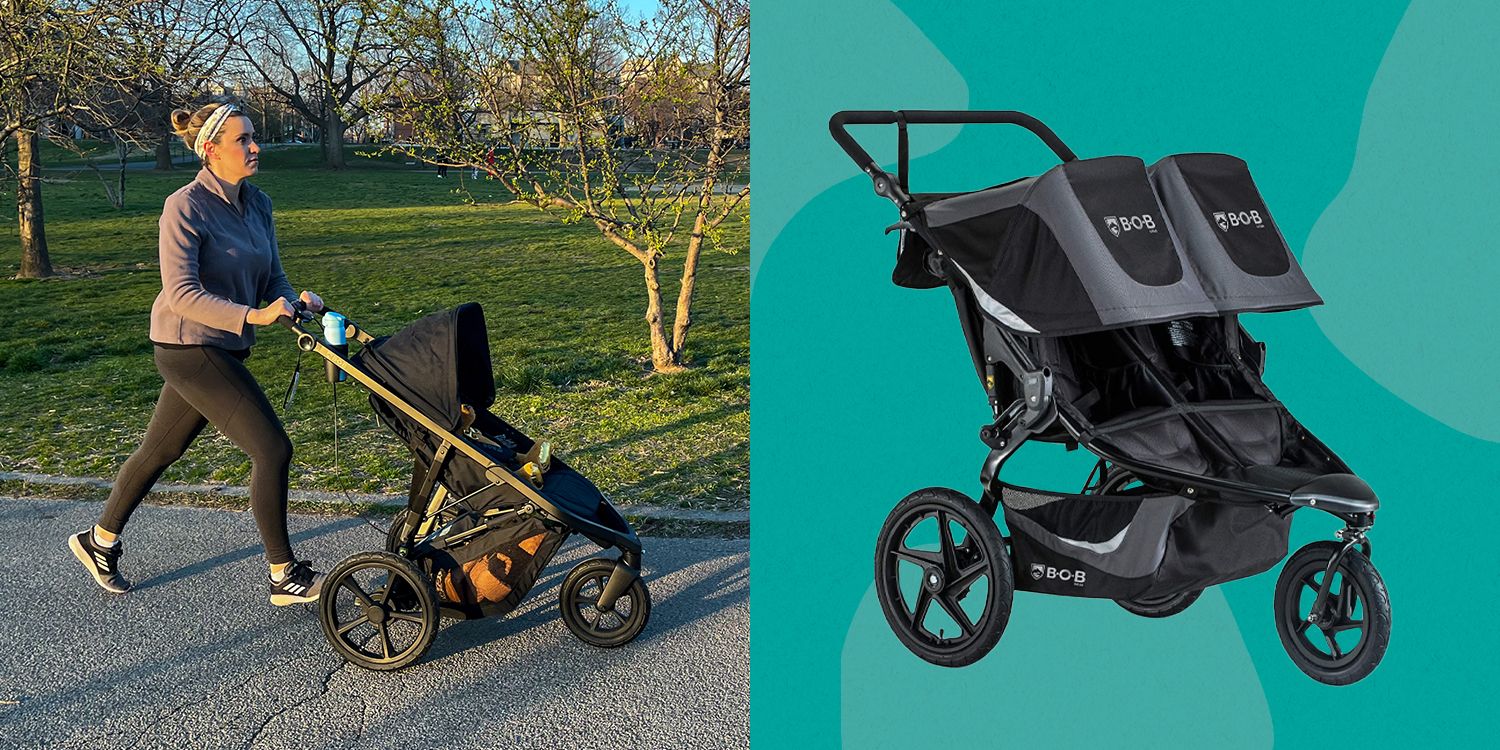
A jogging stroller is built for outdoor movement. It usually has three wheels, air-filled or rubber tires, a sturdy frame, and a front wheel that helps it track across uneven ground. Many models also include a hand brake, wrist strap, deep canopy, and suspension system.
Unlike a basic walking stroller, a jogging stroller is designed to handle grass, gravel, packed dirt, and cracked sidewalks. Think of it as a small outdoor vehicle rather than a lightweight shopping cart.


However, not every three-wheel stroller is safe for running. Some are only “jogger-style” strollers for walking. Always check the manufacturer’s age, speed, and activity guidance before jogging with a child.

Are Jogging Strollers Good for Everyday Use?
For many families, are jogging strollers good for everyday use? Yes, especially when daily life includes long walks, parks, rough sidewalks, or outdoor exercise. Their large wheels can make a big difference when a small stroller would get stuck or shake over every crack.
A jogging stroller may be a strong everyday choice if you:
• Walk several miles each week
• Visit parks, trails, or beaches
• Live near uneven sidewalks
• Want one stroller for walking and light exercise
• Prefer a high seat, deep canopy, and stable ride
• Have enough room to store a larger stroller
Still, are jogging strollers good for everyday use in a crowded city or small apartment? They may be less convenient. A jogging stroller often weighs more, takes up more trunk space, and has a wider turning circle than a compact stroller.
The best answer is not based on the label “jogging.” It comes down to how the stroller fits your real routine. A strong off-road stroller can feel wonderful on a trail but frustrating in a narrow café.

Benefits of Using a Jogging Stroller Every Day
Smooth rides on rough ground
Large wheels and suspension help absorb bumps. Your child may experience less shaking on gravel, grass, and damaged pavement. You also spend less time lifting the front wheel over small obstacles.
This does not make every ride perfectly smooth. Tire pressure, wheel size, load weight, and suspension quality all matter. Air-filled tires often roll well, but they can lose air or get punctures.
Better control and stability
Many jogging strollers include a fixed front wheel for running. This design improves straight-line control at higher speeds. A swivel-lock front wheel may also work well for walking, since it makes turns easier.
A hand brake can help control speed on slopes. A wrist strap adds another layer of control, especially on hills. These features are useful during daily walks, even when you never jog.


More space for outdoor needs
Jogging strollers often have larger storage baskets than lightweight umbrella strollers. You may have room for diapers, snacks, water, a blanket, and a small jacket.
Do not overload the basket, though. Extra weight can affect balance and steering. Follow the stroller’s weight limits and keep heavy items low.
Strong weather protection
Many models have a large sun canopy and a foot cover or weather shield. This can help during long walks in bright sun or light rain.
A canopy does not replace sun protection. Use suitable clothing, shade, and child-safe sun protection based on your child’s age and your pediatrician’s advice.
Drawbacks of Jogging Strollers for Daily Errands
They are often heavy
A jogging stroller may weigh much more than a compact stroller. Getting it into a car can feel like lifting a packed suitcase every day.
Before buying, lift the folded stroller yourself. Test the trunk fit. A stroller that stays at home because it is hard to load is not a practical everyday stroller.
They can be bulky indoors
Large rear wheels and a wide frame may create problems in elevators, store aisles, hallways, and restaurant spaces. Some models do not fit easily through older doorways.
Measure these spaces before you buy:
• Your front door
• Your vehicle’s cargo opening
• Apartment elevators
• Closet or garage storage areas
• Common store aisles
They may not turn easily
A fixed front wheel is helpful for running but less convenient in tight spaces. Even with a swivel wheel, the long frame can require wider turns.
For errands, look for a front wheel that locks and swivels. This gives you more flexibility without buying two separate strollers.
They may need more care
Air-filled tires need regular pressure checks. Moving parts may collect dirt, and mud can affect wheel movement or brakes.
A simple care routine helps:
- Check tire pressure each week.
- Inspect the wrist strap and brakes.
- Remove dirt from the wheels.
- Tighten loose parts according to the manual.
- Check the harness before every ride.

Jogging Stroller Safety for Daily Use
Safety is the most important part of the answer to “are jogging strollers good for everyday use?” A stroller can be comfortable and durable yet unsafe if it is used outside its intended setting.
The American Academy of Pediatrics advises parents to use the harness, engage the brake when stopped, and keep children away from moving parts. The U.S. Consumer Product Safety Commission also stresses proper restraint and safe stroller use.


Follow these core rules:
• Use the five-point harness every time.
• Set the parking brake before loading or unloading.
• Use the wrist strap when walking on slopes.
• Do not hang heavy bags from the handlebar.
• Keep fingers and feet away from wheels and hinges.
• Do not leave a child unattended.
• Check for recalls before buying used.
• Follow the maker’s age and weight limits.
Do not jog with a young baby unless the stroller maker clearly approves it and your child’s health professional agrees. Many jogging strollers require a fully developed neck and head control before running use. Some models accept an approved infant car seat for walking, but that does not always mean they are ready for jogging.
A locked front wheel is usually important for running. A swivel wheel can turn suddenly if it hits a crack. Read the manual carefully because wheel settings differ by model.

Walking Versus Running With a Jogging Stroller
A jogging stroller can be excellent for walking long distances. Running requires more care.
Walking usually involves lower speed and more frequent stops. You can use a swivel wheel in many situations and steer around people more easily.
Running adds force and momentum. It also increases the effect of potholes, sharp turns, slopes, and sudden stops. Choose smooth routes, keep the front wheel in the correct position, and avoid crowded paths.
Start with short sessions. Watch your child for signs of discomfort, overheating, or poor head control. Stop if the stroller feels unstable or your child’s position changes.
A jogging stroller is not a substitute for a bicycle trailer or a car seat. Use each product only for the activity it was designed to support.

How to Choose a Jogging Stroller for Everyday Use
When people ask, “are jogging strollers good for everyday use?” I suggest starting with the home and car, not the wheel color or brand name. Practical fit matters more than marketing.
Check wheel design
Look for:
• A lockable front wheel
• Durable rear wheels
• Smooth wheel bearings
• Reliable suspension
• Tires suited to your usual terrain
Air tires provide a smooth feel but need upkeep. Foam-filled or solid rubber tires reduce puncture concerns but may feel different on rough ground.
Test the fold
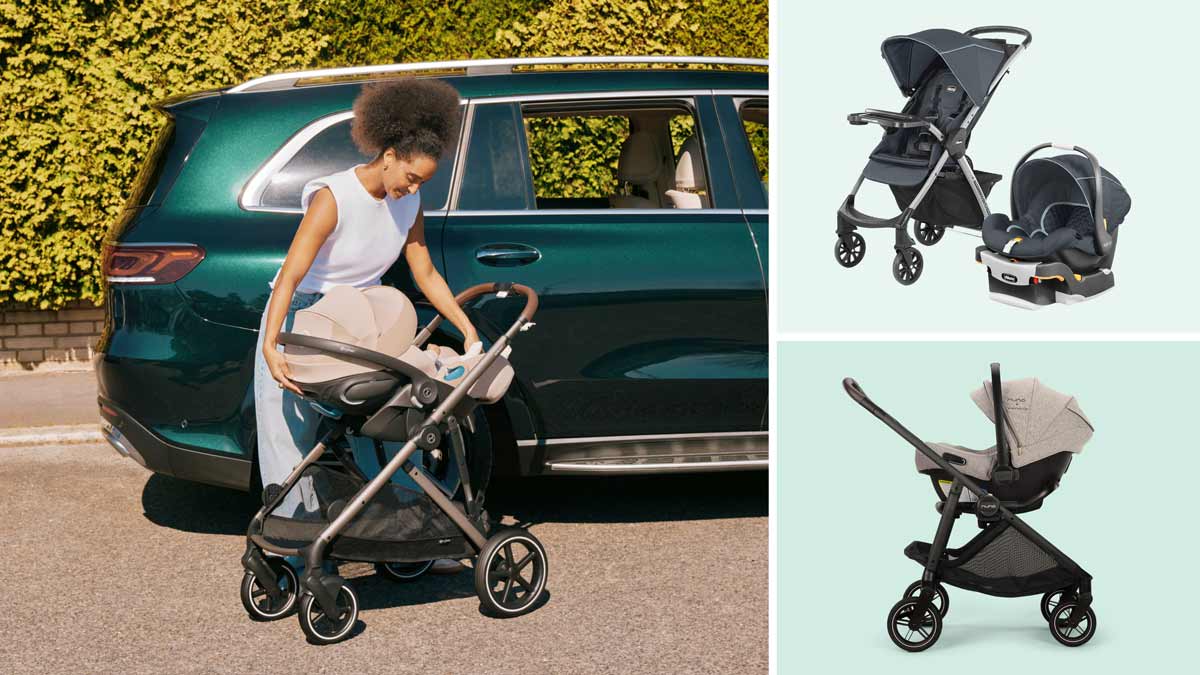
Try folding the stroller with one hand. Check whether the folded shape fits your vehicle. A simple fold can save time when you are carrying a child and groceries.


Some jogging strollers fold well but remain long. Others fold smaller but weigh more. There is no perfect design for every family.
Inspect the handlebar
A height-adjustable handlebar can help different adults push comfortably. Your wrists should stay in a natural position, and you should not need to bend forward.
Good posture matters during long walks. A poorly placed handlebar can make a comfortable stroller tiring.
Review the seat and harness
Look for a well-padded seat, a secure five-point harness, and a recline that suits your child’s age. A deep seat can help with naps, but it should not force a very young baby into an unsafe position.
Check the seat angle at home before your first long trip. Small adjustments can make a major difference.
Consider storage and cleaning
A washable seat, accessible basket, and simple fabric design make daily use easier. Mud, crumbs, and spilled drinks are part of family life.
If you live in a wet climate, inspect how quickly the fabric dries. Damp padding can develop odors when stored in a closed trunk.

Are Jogging Strollers Good for Small Spaces and Cars?
Are jogging strollers good for everyday use in an apartment? They can be, but storage requires planning. Measure the folded stroller and decide where it will live before you order it.
A garage or entry closet may handle a large frame. A small apartment may need a compact stroller instead. Never block a hallway, stairway, or emergency exit with a stroller.
Car owners should measure the trunk opening, not only the trunk’s total volume. A stroller may fit inside the cargo area but fail to pass through the opening.
If your car has a small trunk, consider:
• A quick one-hand fold
• Removable wheels
• A shorter folded length
• A lighter frame
• A model that stands when folded
These details often matter more than a premium fabric or extra accessory.

A Practical Daily Routine
A jogging stroller becomes easier to use when you create a simple routine. Before leaving, check the harness, brakes, tires, and weather cover.
Pack only what you need. A small pouch can hold keys, a phone, snacks, and diapers without weighing down the handlebar. Keep heavier items in the lower basket.


After a muddy walk, wipe the frame and let wet fabric dry before folding it. This small habit can prevent dirt buildup and unpleasant smells.
In my experience, many stroller problems come from rushed setup rather than poor design. Parents skip the wheel lock, forget the wrist strap, or overload the handle. A 30-second check can make the whole outing calmer.
When a Regular Stroller May Be Better
A standard stroller may suit you better if your routine includes frequent shopping trips, public transit, narrow shops, or daily car travel. Lightweight models are often easier to lift and store.
A travel stroller may be a better choice for flights. A full-size stroller may offer more comfort for naps and daily neighborhood walks. Some families keep a compact stroller for errands and a jogging stroller for parks.
You do not need to force one stroller to do every job. The right choice depends on your space, budget, child’s age, and most common routes.
Are jogging strollers good for everyday use when you already own another stroller? Often, yes. A jogging stroller can become your outdoor model while a smaller stroller handles indoor errands.
Common Mistakes to Avoid
Avoid buying a jogging stroller only because it looks sturdy. A strong frame does not guarantee a comfortable seat, easy fold, or safe running setup.
Other common mistakes include:
• Forgetting to measure the car and doorway
• Assuming every three-wheel stroller supports jogging
• Using a fixed wheel in tight indoor spaces
• Skipping tire pressure checks
• Hanging a heavy diaper bag from the handle
• Running before the child meets the manufacturer’s requirements
• Buying used without checking recalls and missing parts
Read the manual before your first outing. It may explain wheel settings, child age limits, tire care, brake use, and approved accessories.
Frequently Asked Questions
Are jogging strollers good for everyday use with a newborn?
They may be suitable for walking with an approved bassinet or car seat, depending on the model. Do not jog with a newborn unless the manufacturer and your child’s health professional clearly approve it.
Can you use a jogging stroller for shopping?
Yes, but its wide frame and large wheels may feel awkward in narrow aisles. Choose a model with a swivel-lock front wheel and a useful storage basket for easier errands.
Are jogging strollers safe on sidewalks?
They can be safe when used at a suitable speed with the harness secured and the wheel set correctly. Avoid busy roads, steep slopes, potholes, and sudden turns.
Do jogging strollers need air in the tires?
Some use air-filled tires, while others use foam-filled or solid tires. Air-filled tires may offer a smoother ride, but they need regular pressure checks and can puncture.
What age can a child ride in a jogging stroller?
The correct age depends on the stroller and the child’s development. Many models require strong head and neck control before jogging, so follow the manual and ask your pediatrician when unsure.
Is a jogging stroller better than a regular stroller?
Neither is always better. Jogging strollers are often better on rough paths and long outdoor walks, while regular strollers are usually lighter, smaller, and easier for errands.
Can you put an infant car seat in a jogging stroller?
Only when the stroller and car seat are officially compatible and used with the correct adapter. Car-seat compatibility for walking does not automatically make the setup safe for running.
Conclusion
Are jogging strollers good for everyday use? They can be an excellent choice for active families who walk outdoors, manage uneven ground, and have enough storage space. Their smooth ride, strong wheels, suspension, and outdoor features are valuable, but their weight and bulk can make small errands harder.
Measure your home and car, test the fold, inspect the safety features, and match the stroller to your child’s age and your normal routes. Take time to compare models carefully, then share your experience or explore more stroller guides before making your final choice.
