
Babies may sleep more when teething, but teething more often causes restless sleep and frequent waking.
If you are asking, “Do babies sleep more when teething?” the honest answer is that every baby reacts differently. Sore gums may make some babies tired and quiet, while others become fussy, wake often, or nap less. Understanding the difference between normal teething changes and signs of illness can help you respond with calm, safe care.
Do babies sleep more when teething?
Most babies do not sleep more because of teething alone. Teething pain often makes it harder to settle, stay asleep, or return to sleep after waking.
Still, some babies may sleep longer during the day when teething. This can happen because discomfort makes them tired, or because they are using extra energy while coping with pain. A baby may also seem sleepy after a restless night.
The key point is this: extra sleep can occur, but it is not the most common teething pattern. Many babies instead show:
• More night waking
• Shorter naps
• Trouble falling asleep
• Crying when placed in the crib
• More sucking, chewing, or drooling
• Irritability during feeding
When parents ask, “Do babies sleep more when teething?” I encourage them to look at the full picture. A baby who naps a little longer but wakes alert, feeds well, and has normal wet diapers may simply be catching up on sleep.
A baby who is unusually hard to wake, refuses several feeds, has fewer wet diapers, or seems weak needs medical advice. Teething should not be used to explain away serious symptoms.

Why teething can affect a baby’s sleep
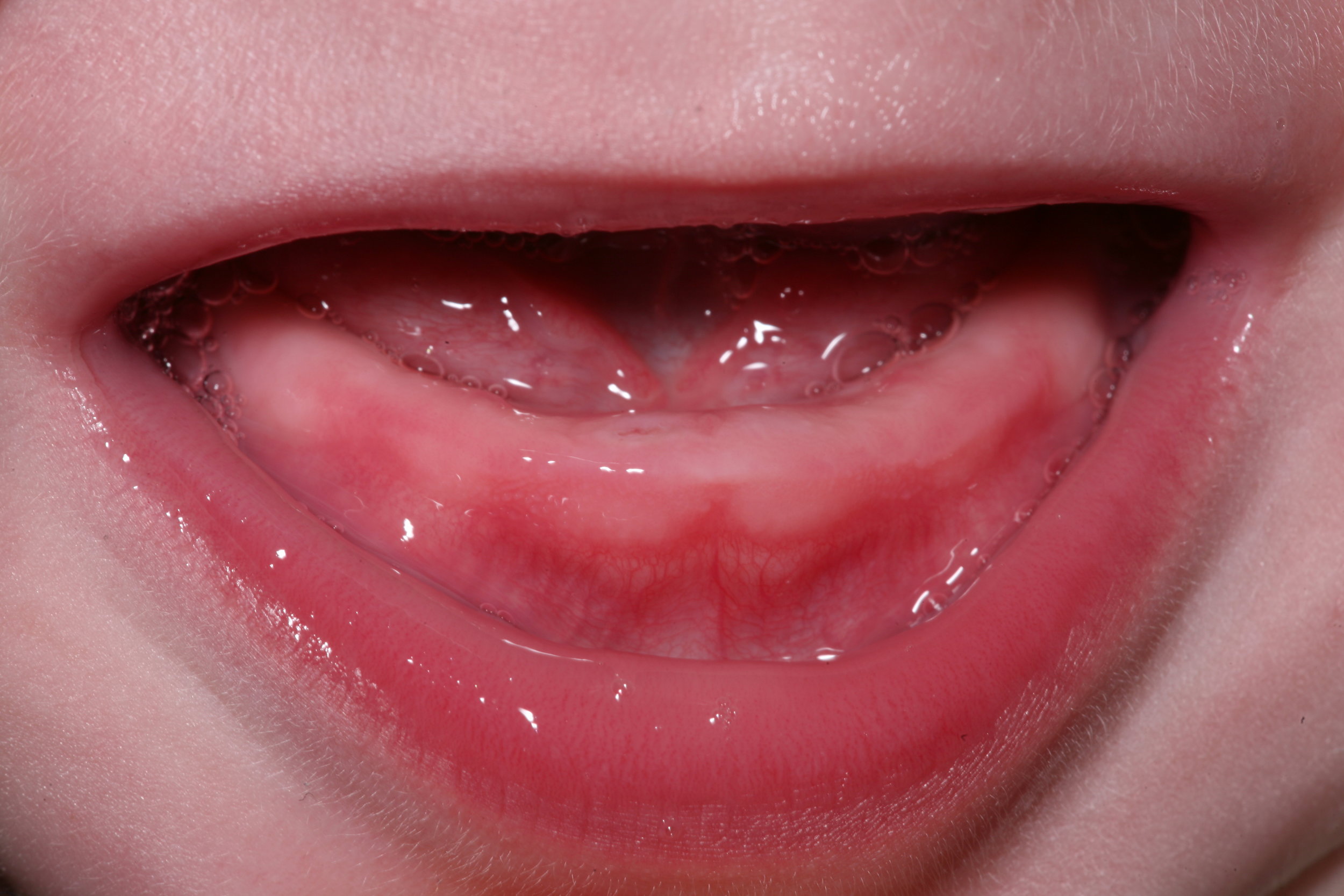
Teething happens when a baby’s tooth moves through the gum. The gum may look swollen, red, or tender near the emerging tooth. This pressure can feel worse at night when the room is quiet and there are fewer distractions.
Pain can also become more noticeable when a baby lies down. Lying flat does not cause teething pain, but it may make a baby more aware of gum pressure. A tired baby may then struggle to relax.
Here are common reasons teething may change sleep:
Gum pain
A sore gum can make sucking, lying down, or chewing uncomfortable. Some babies wake with a cry and need extra comfort before settling again.
Drooling and skin irritation
Teething often increases saliva. Wet skin around the mouth, chin, or neck can become sore. This irritation may disturb naps and nighttime sleep.
Changes in feeding
A baby may nurse or take a bottle for a shorter time because sucking bothers the gums. If the baby takes less milk, hunger may cause more waking later.
Increased need for comfort
Teething can make babies clingy. They may want to be held, rocked, or fed more often. This does not mean you are creating a bad habit. It means your baby may need comfort during a short period of pain.
Illness at the same time
Teething often begins during the same months when babies have more contact with other children. Colds, ear infections, stomach viruses, and other illnesses can occur at the same time.
This overlap explains why some parents wonder, “Do babies sleep more when teething?” A baby may sleep more because of an illness rather than the tooth itself.
What teething sleep changes are normal?
Normal teething symptoms are usually mild and temporary. They may come and go for several days as a tooth moves closer to the gum surface.
A baby may sleep more during teething if the extra discomfort leads to tiredness. This is more reassuring when the baby:
• Wakes easily
• Smiles or interacts during alert periods
• Drinks breast milk or formula normally
• Has regular wet diapers
• Breathes comfortably
• Has no high fever
• Returns to a usual mood after comfort
Some babies show the opposite pattern and sleep less. Both short-term changes can happen. There is no single sleep pattern that proves a tooth is coming in.
Teething symptoms should not usually cause prolonged lethargy, repeated vomiting, breathing problems, or a high fever. Diarrhea is also not considered a typical direct effect of teething. Loose stools may happen because a baby puts more objects in the mouth, but significant diarrhea needs a separate evaluation.
A useful rule is to judge your baby’s behavior between sleep periods. A sleepy baby who wakes bright and feeds well is different from a baby who is difficult to wake or unusually limp.
Do babies sleep more when teething or when sick?
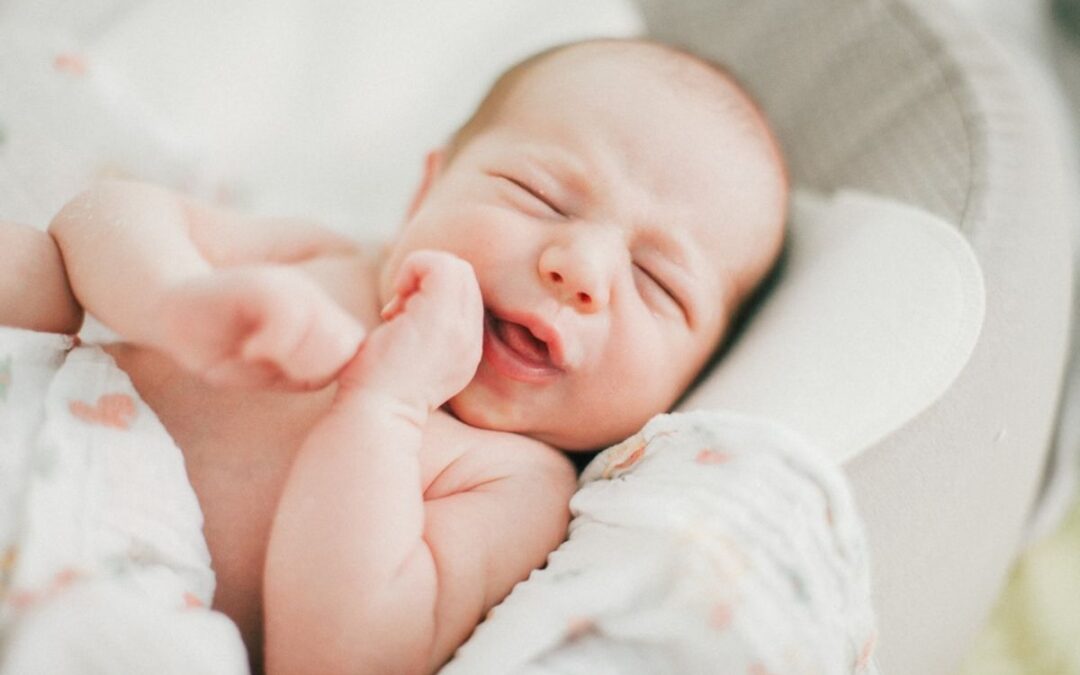
This is one of the most important questions for parents. Babies can sleep more when sick, and illness often causes more noticeable tiredness than teething does.
A cold may cause poor sleep at night but longer naps during the day. Fever can also make a baby sleepier. Ear infections may cause crying when lying down, while a stomach illness may lead to reduced feeding and fewer wet diapers.
Look for symptoms that do not fit simple teething:
• Temperature of 100.4°F (38°C) or higher in a baby younger than 3 months
• Fever that lasts or concerns you
• Trouble breathing
• Repeated vomiting
• Frequent watery stools
• A stiff neck or unusual rash
• A baby who is hard to wake
• Much fewer wet diapers
• Refusal to drink
• Blue, gray, or very pale skin
Contact your pediatrician if your baby seems more tired than usual and you are unsure why. Trust your judgment. Parents often notice small changes before a clear symptom appears.
Pediatric guidance also warns that teething is not a reliable explanation for high fever or serious illness. When in doubt, call your child’s doctor rather than assuming the tooth is responsible.

Safe ways to help a teething baby sleep
You cannot remove all teething discomfort, but you can make bedtime easier. Simple comfort measures are often enough for mild pain.
Offer a cool teether
Use a firm rubber or silicone teether that is made for infants. Chill it in the refrigerator, but do not freeze it unless the product instructions clearly allow it. Very cold items can injure tender gums.
Avoid teethers filled with liquid if they can break or leak. Check all teethers for cracks, loose parts, or damage.
Massage the gums
Wash your hands and gently rub the sore gum with a clean finger. A short massage may calm the area and give your baby something safe to focus on.
Keep the bedtime routine steady
Teething can disrupt sleep, but a familiar routine gives your baby a sense of safety. Try the same calm steps each night:
- Dim the lights.
- Offer a feed if appropriate.
- Change the diaper.
- Massage the gums or offer a cool teether.
- Read, sing, or cuddle briefly.
- Place your baby on their back in the crib.
Protect irritated skin
Gently wipe drool away with a soft cloth. A thin layer of a baby-safe barrier cream may protect the skin around the mouth, if your pediatrician approves the product.
Ask about pain medicine
If your baby seems clearly uncomfortable, ask a pediatrician about the right medicine and dose. Acetaminophen may be appropriate for some infants, depending on age and weight. Ibuprofen is generally not used in babies younger than 6 months unless a clinician says otherwise.
Never guess the dose. Use the measuring syringe that comes with the medicine. Do not give aspirin to a child.
Avoid numbing gels that contain benzocaine. Health authorities have warned about rare but serious blood problems in young children. Avoid homeopathic teething tablets and teething necklaces, too. Amber necklaces can cause choking or strangulation.
Safe sleep rules during teething
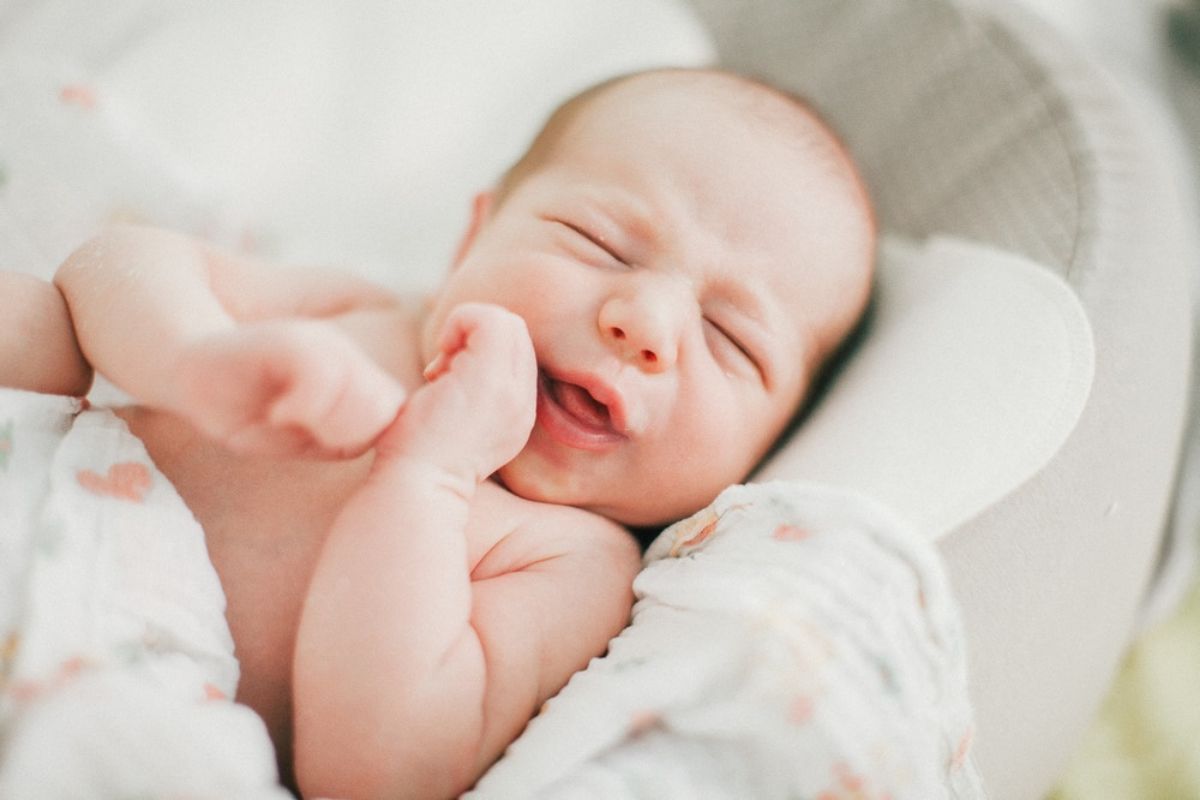
Teething does not change safe sleep advice. Even when your baby is uncomfortable, always place the baby on their back for every nap and nighttime sleep.
The safest sleep space has:
• A firm, flat crib, bassinet, or play yard mattress
• A fitted sheet only
• No pillows, blankets, bumpers, stuffed toys, or sleep positioners
• No necklaces, cords, or loose teething items
• A smoke-free environment
Do not place a teether, gel pack, bottle, or comfort object in the crib while your baby sleeps. Give the item while your baby is awake and supervised, then remove it before sleep.
Room-sharing without bed-sharing is recommended for young infants. If you bring your baby into bed to comfort or feed, move the baby back to their own sleep space before you fall asleep.
A tired parent may be tempted to use a couch, recliner, or adult bed for sleep. These places are especially risky because babies can become trapped or suffocate. Comfort your baby, but keep the sleep setting safe.

How long does teething-related sleep disruption last?
Sleep changes from teething often last a few nights, though the pattern can return when more teeth appear. Some babies have several rough nights before a tooth breaks through. Others show little change at all.
Teeth often begin to appear around 6 months, but timing varies widely. Some babies cut a first tooth earlier, while others do so closer to their first birthday. The timing does not predict how much a baby will sleep.
If sleep problems last for weeks, do not assume teething is the only reason. Consider other causes, such as:
• A new nap schedule
• A growth or feeding change
• Separation anxiety
• A cold or blocked nose
• Reflux symptoms
• An uncomfortable room temperature
• A change in caregiving or travel
• A sleep association your baby now expects
A simple sleep log can help. Write down naps, nighttime waking, feeds, wet diapers, temperature, and other symptoms for three to five days. This record can help you and your pediatrician see whether the pattern matches teething or suggests another issue.

Common mistakes parents make during teething
Many caregivers feel pressure to fix every wake-up right away. That is understandable, but some popular teething remedies are unsafe or unhelpful.
Avoid these common mistakes:
• Blaming a high fever on teething
• Giving medicine without checking the dose
• Using frozen foods that can hurt the gums
• Putting a necklace around a baby’s neck
• Leaving a teether in the crib
• Using numbing gels without medical advice
• Offering hard foods that may cause choking
• Letting a baby sleep on a couch or recliner
• Changing the entire sleep routine after one difficult night
A practical lesson many caregivers learn is to make one small change at a time. Try gum massage, a calm routine, or a chilled teether first. If you add several new habits at once, it becomes hard to know what helped.
It is also wise to ask whether the remedy solves pain or simply adds risk. A safe, boring solution is often better than a dramatic product marketed as a fast fix.

When to call a pediatrician
Call your pediatrician if your baby’s sleepiness feels unusual or if symptoms are getting worse. You do not need to wait for a serious sign before asking for advice.
Seek prompt medical care for a baby who:
• Is difficult to wake
• Has trouble breathing
• Will not drink
• Has signs of dehydration
• Has much fewer wet diapers
• Has repeated vomiting
• Has a high or lasting fever
• Has a seizure
• Has a spreading rash
• Seems weak, confused, or unusually unresponsive
For babies younger than 3 months, a temperature of 100.4°F (38°C) or higher requires prompt medical advice.
If you wonder, “Do babies sleep more when teething?” and your baby is sleeping far more than usual, compare the change with feeding, alertness, and diaper output. Sleep duration alone does not tell you whether the baby is well.

Frequently Asked Questions About Do Babies Sleep More When Teething
Do babies sleep more when teething?
Some babies may sleep more when teething because discomfort can make them tired. However, many babies sleep less, wake often, or need extra soothing, so increased sleep is not a reliable sign of teething.
Can teething make a baby very sleepy?
Teething may make a baby mildly tired, especially after poor sleep or long periods of fussing. A baby who is hard to wake, weak, or not feeding well may be sick and should be checked by a pediatrician.
Do babies sleep more when teething and have a fever?
Teething is not a usual cause of a high fever. A fever, especially in a young infant, may point to an infection rather than teething and deserves medical guidance.
How can I help my teething baby sleep at night?
Use a calm bedtime routine, gently massage the gums, and offer a chilled teether while your baby is awake and supervised. Ask a pediatrician before using pain medicine, and always follow safe sleep rules.
Can teething cause a baby to skip naps?
Yes. Sore gums, drooling, and increased need for comfort can make naps shorter or harder to start. Keep the routine predictable and watch for signs that illness, rather than teething, is disrupting sleep.
When should I worry about sleepiness during teething?
Worry if your baby is difficult to wake, refuses feeds, has breathing trouble, has fewer wet diapers, or shows other serious symptoms. These signs are not typical of teething and require medical advice.
Conclusion
So, do babies sleep more when teething? They can, but extra sleep is not the usual response and should be judged alongside feeding, alertness, diapers, and other symptoms. Many babies sleep less because sore gums make it hard to settle, while others take longer naps to recover from a restless night.
Use simple comfort measures, protect your baby’s sleep space, and avoid unsafe teething products. Most teething-related sleep changes pass with time, but unusual sleepiness or signs of illness deserve a call to your pediatrician. If this guide helped, explore more evidence-based infant sleep resources and share your experience with other parents.