
Most infants spit up a lot because their lower esophageal sphincter is immature and feeding patterns or gas push milk back up.
I’ve worked with many new parents and pediatric teams, and I know how alarming a baby who spits up often can feel. This article explains why is my baby spitting up so much, what’s normal, what to watch for, and clear, evidence-based steps you can try at home. I’ll share practical tips from clinical experience and real-life parenting, so you can feel confident about caring for your baby and decide when to seek medical help.
Why babies spit up: the basics and common causes
Spitting up is milk or formula that comes back up after feeding. It is different from forceful vomiting. The most common cause is an immature lower esophageal sphincter (LES). The LES is the valve between the stomach and the esophagus. In infants it can be soft and let milk flow back up.
Other frequent causes include:
- Overfeeding or feeding too fast. Large volumes and gulped air increase pressure in the stomach.
- Swallowed air and poor burping. Air bubbles push milk upward.
- Reflux (gastroesophageal reflux or GER). Reflux is common in babies and usually improves by 12–18 months.
- Food sensitivity or cow’s milk protein intolerance. This can irritate the gut and cause more spitting up.
- Positioning after feeds. Lying flat makes spitting up more likely.
- Certain anatomic issues, though rare, such as pyloric stenosis or an intestinal blockage.
Why is my baby spitting up so much often relates to one or more of these causes working together. If your baby is otherwise growing well and seems comfortable, frequent spitting up is usually not dangerous.
How to tell normal spitting up from trouble
Most babies spit up. Here’s how to judge severity.
Signs of normal spitting up
- Small to moderate dribbles after feeds.
- Baby is gaining weight and has normal wet diapers.
- No signs of pain or distress.
Red flags that need prompt medical review
- Projectile vomiting or forceful, repetitive vomiting.
- Poor weight gain, dehydration, or fewer wet diapers.
- Blood or green bile in spit-up.
- Persistent irritability, refusal to feed, or breathing trouble.
If you wonder why is my baby spitting up so much and you see any red flags, contact your pediatrician quickly. Early assessment prevents complications and catches rare causes.
Practical steps to reduce spitting up
Try these simple, effective tweaks at home.
Feeding techniques
- Feed smaller, more frequent amounts. This reduces stomach pressure.
- Pace bottle feeds. Let baby set the rhythm so they don’t gulp air.
- Hold baby upright during feeds and for 20–30 minutes afterward.
Burping and positioning
- Burp frequently—after every 2–3 ounces or when switching breasts.
- Use upright holds or a laid-back feeding position to minimize swallowing air.
- Avoid laying baby flat immediately after a meal.
Bottle and nipple choices
- Use anti-colic bottles or slow-flow nipples to reduce air swallowing.
- Test different nipple flows to find one that prevents gulping.
Small lifestyle fixes
- Avoid tight diapers or clothing that press on the belly.
- Keep feeding calm and quiet to prevent frantic gulping.
- If breastfeeding, try smaller, more frequent sessions.
These changes often cut spitting up significantly within days. If you’ve tried them and still ask, why is my baby spitting up so much, move to the next steps: tracking patterns and talking to a clinician.
When to consider medical evaluation and treatment
Most babies outgrow spitting up without medicine. But evaluation helps when spit-up affects growth or comfort.
What your pediatrician may do
- Review feeding history and weight charts.
- Check for dehydration and examine the baby.
- Recommend changes in feeding or formula.
- Order tests if needed, such as imaging or lab work.
Possible medical treatments
- Trial of hypoallergenic formula for suspected milk protein intolerance.
- Short-term acid suppression only in carefully selected cases when reflux causes severe symptoms.
- Surgery (very rare) for severe reflux that does not respond to other measures.
Asking “why is my baby spitting up so much” may lead to a stepwise plan from your clinician. Most infants do not need drugs or surgery.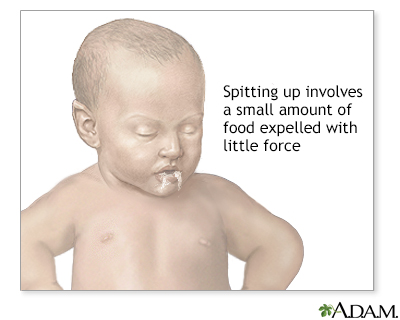
Personal experience and practical lessons
I’ve counseled dozens of families worried by constant spit-up. A few lessons I learned:
- Track feeds, spit-up amount, and diapers for a few days. Data clarifies patterns.
- Small changes often work. I once helped a family who cut episodes by half by switching bottle type and pacing feeds.
- Trust growth charts. A happy, well-growing baby who spits up is usually fine.
- Don’t wait to ask for help if your instincts tell you something is wrong.
One family I worked with thought reflux caused pain. After stepwise changes and a short trial of a hypoallergenic formula, spit-up dropped and the baby slept better. This mix of patience, observation, and targeted changes is often very effective.
Feeding strategies by age and type of feeding
Newborns to 3 months
- Keep feeds shorter but more frequent.
- Burp multiple times during a feed.
- Hold upright for 20–30 minutes after feeding.
Bottle-fed babies
- Use paced bottle feeding. Hold bottle horizontally and let the baby control flow.
- Try anti-colic bottles to reduce air.
Breastfed babies
- Ensure a good latch and alternate sides to avoid over-filling.
- Express a little milk first if let-down is very forceful.
Older infants starting solids
- Introduce solids slowly. Offer small amounts after milk feeds.
- Avoid solids that can increase reflux like citrus or tomato until reflux improves.
Following age-appropriate tips reduces episodes and helps answer “why is my baby spitting up so much” with concrete actions.
Common myths and clarifications
Myth: Spitting up harms the lungs.
- Clarification: Occasional spitting up rarely causes lung problems. Persistent, forceful vomiting with cough should be checked.
Myth: All reflux needs medicine.
- Clarification: Most infant reflux is benign and improves with lifestyle changes; meds are for selected cases.
Myth: Formula causes spitting up always.
- Clarification: Formula can contribute, but many formula-fed babies never spit up much. It’s multifactorial.
Understanding these myths helps you avoid unnecessary worry and unnecessary treatments.
Frequently Asked Questions of why is my baby spitting up so much
Why is my baby spitting up so much after every feed?
Frequent spitting up after feeds is often due to an immature lower esophageal sphincter and stomach pressure from full feeds. Try smaller, more frequent feeds, better burping, and upright time after feeding.
Is spitting up the same as reflux or GERD?
Spitting up is common reflux and usually harmless. GERD is reflux that causes symptoms like poor weight gain, pain, or breathing issues and may need medical care.
When should I worry about projectile vomiting?
Projectile vomiting is more forceful than typical spit-up and can signal a condition like pyloric stenosis, especially if the baby also loses weight or becomes dehydrated. Seek immediate medical evaluation.
Can changing formula stop my baby from spitting up so much?
Switching to a thicker or hypoallergenic formula can help when spit-up is due to overfeeding or milk protein sensitivity. Always discuss formula changes with your pediatrician before switching.
Will my baby outgrow spitting up?
Most babies outgrow frequent spitting up by 12–18 months as the LES matures and they spend more time upright. Continue to monitor growth and comfort while you use calming strategies.
Conclusion
Spitting up is very common and usually not dangerous. Most cases stem from an immature lower esophageal sphincter, feeding patterns, or swallowed air. Start with simple fixes: smaller feeds, paced feeding, burping often, and upright time after meals. Track the pattern and growth. If you see red flags like poor weight gain, projectile vomiting, blood, or breathing issues, contact your pediatrician for a timely evaluation.
You can take action today: try one feeding change for a few days, keep a short feed-and-spit-up log, and talk with your pediatrician if things don’t improve. If this article helped, consider bookmarking it, sharing your experience in the comments, or subscribing for more practical baby-care guides.