Most babies start purposeful waving between 9 and 12 months of age.
I’ve spent years studying child milestones and talking with parents and pediatricians about when do babies wave. This guide explains the typical timeline, why waving appears, how to encourage it, and when to seek help. Read on for clear, practical steps and real-life tips to help your baby learn this sweet social skill.

Typical timeline: when do babies wave
Most babies show early arm movements as they grow. Around 6 to 9 months, many infants begin to lift their hand toward caregivers. Between 9 and 12 months, intentional waving usually appears. By 12 months, many babies wave to greet or say goodbye on purpose.
Common age ranges to expect waving:
- 6 to 9 months — accidental or exploratory arm lifts and flaps.
- 9 to 12 months — intentional wave for people or objects.
- 12 to 18 months — more consistent, social waving.
Keep in mind each baby is unique. Some babies wave a little earlier or later. If your child uses other gestures first, that can be normal too.

Why waving develops
Waving is a social gesture. It requires motor control, memory, and social awareness. Babies learn to associate a hand motion with greeting or goodbye. Language skills and social learning grow at the same time. Developmental steps that support waving include:
- Improved grasp and arm control.
- Recognition of routines and faces.
- Imitation of caregiver actions.
Research and clinical observation show that gestures like waving link strongly to later language skills. When babies wave, they show early intentional communication. That tells us they understand others care about what they do.

How to encourage waving
Make waving simple and fun. Use short steps and clear cues. Repeat routines often. Praise attempts and model the motion.
Practical tips:
- Model the wave every day during greetings and goodbyes.
- Use a simple rhyme, like “Bye-bye” or a short song.
- Pause and wait to give your baby time to copy you.
- Offer a small object and wave it, then hand it to them.
- Keep sessions short and playful to avoid frustration.
Try these easy games:
- Peekaboo with a wave at the end.
- Hand puppet that waves and says “hi.”
- Photo routine — wave at pictures of family members.
PAA-style question 1: How can I teach my baby to wave?
Babies learn by copying. Wave often, say a clear word, and pause. Give chances for the baby to try and praise attempts.
PAA-style question 2: Does waving mean my baby will talk soon?
Waving is one of many early communication signs. It often appears alongside babbling and gestures. It can predict stronger social and language skills.
PAA-style question 3: What if my baby prefers clapping over waving?
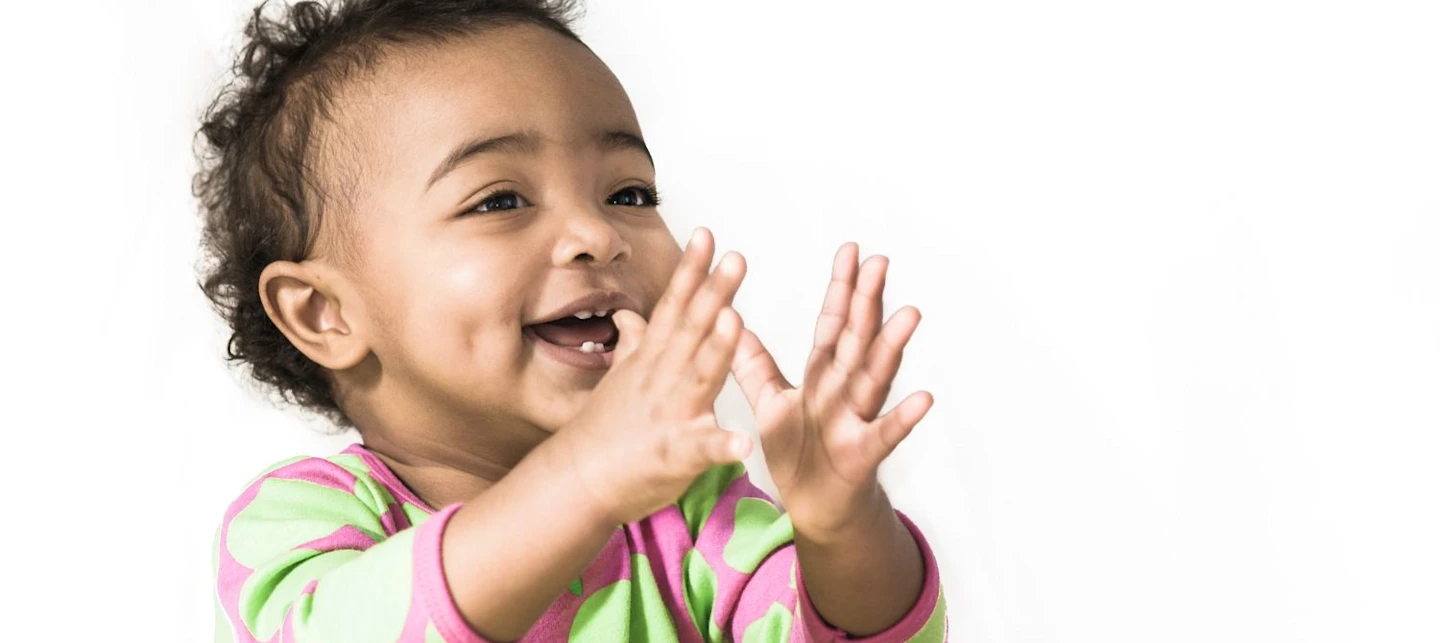
Some babies choose different gestures first. Clapping shows social awareness too. Continue modeling waving while encouraging their chosen gestures.
Variations, red flags, and when to seek help
Not all babies wave in the same way. Here is what is typical and what to watch for.
Normal variations:
- Some babies reach for people instead of waving.
- Others use sounds or eye contact first.
- Cultural and family habits affect gesture use.
When to consult a pediatrician:
- No gestures, pointing, or waving by 15 months, especially with limited eye contact.
- No babbling or few social smiles by 9 to 12 months.
- Losing previously acquired gestures or sounds.
Possible concerns include hearing issues and language delay. Screening and early intervention can help. If you worry, mention it at your next well-child visit. Early evaluation improves outcomes.
Personal experiences and practical tips
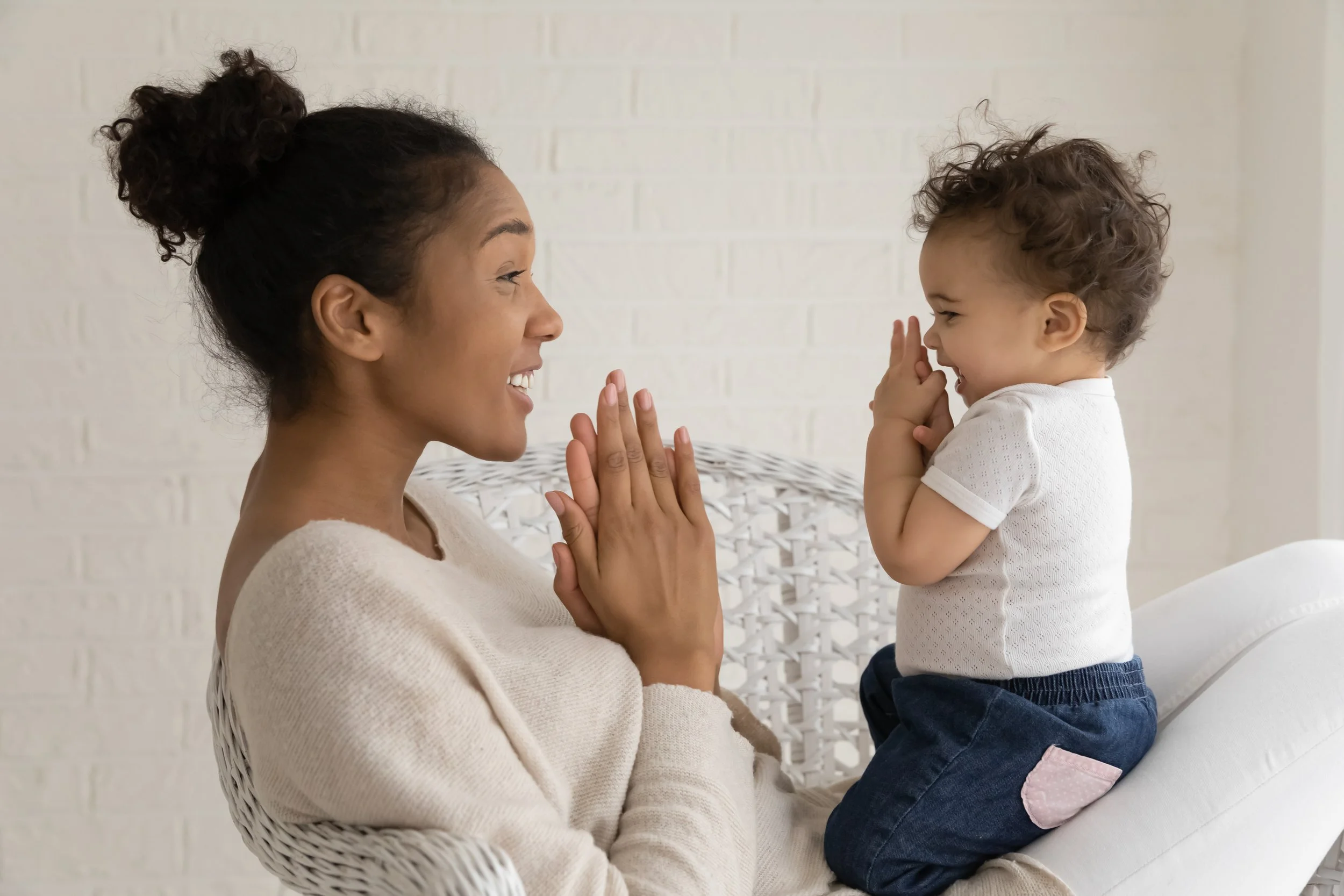
I’ve talked to many families about when do babies wave. One parent told me her baby waved reliably after a week of a simple goodbye routine. Another family found that using the same tone of voice helped their shy child copy the motion.
Lessons I learned:
- Consistency beats pressure. Short daily routines work best.
- Celebrate every attempt. Even a half-wave is progress.
- Use photos and video. Watching themselves helps many babies copy actions.
Common mistakes to avoid:
- Expecting a perfect wave right away.
- Over-modeling without giving time to imitate.
- Comparing your baby to others too often.

Frequently Asked Questions of when do babies wave
When do babies usually start waving?
Most babies begin to wave intentionally between 9 and 12 months. Some may show earlier arm motions around 6 to 9 months.
Is waving a sign of good social development?
Yes. Waving shows early intentional communication and social awareness. It often occurs with smiling and eye contact.
My baby waves with objects but not with a hand. Is that okay?
Yes. Using an object can be a bridge to a hand wave. Continue modeling hand waves and praise attempts.
When should I worry if my baby does not wave?
If your baby has no gestures, limited eye contact, or no babbling by 15 months, talk to your pediatrician. Early screening is helpful.
Can I teach my baby to wave faster?
You can encourage waving with modeling, routines, and praise. Be patient and keep sessions short and fun. Consistent practice usually helps.
Conclusion
Waving is a clear and sweet milestone. Most babies start to wave between 9 and 12 months, though timing varies. You can help by modeling, practicing short routines, and celebrating small wins. If you notice broader delays, seek guidance early. Try a simple greeting and goodbye routine today, and watch your baby copy you more each day. Leave a comment with your wave stories or subscribe for more practical baby milestone tips.