
In the United States, 2T means “size 2 Toddler.” It is made for a young child who is around 2 years old and is usually more fitted than a baby size such as 24 months. The “T” marks the move from baby clothing to toddler clothing.
Age is only a guide. The best fit depends on your child’s height, weight, body shape, and the brand’s own size chart.
What Is the Difference Between 2T and 24 Months?
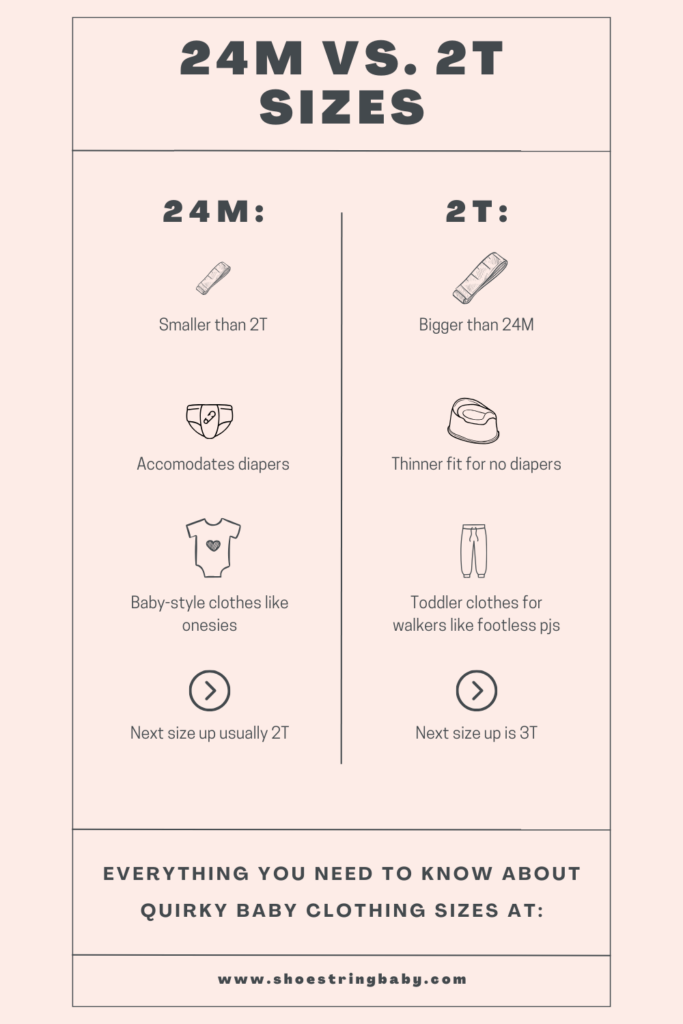
The main difference is the fit. Both 2T and 24-month clothes may fit a child near age 2, but they are cut for different stages.
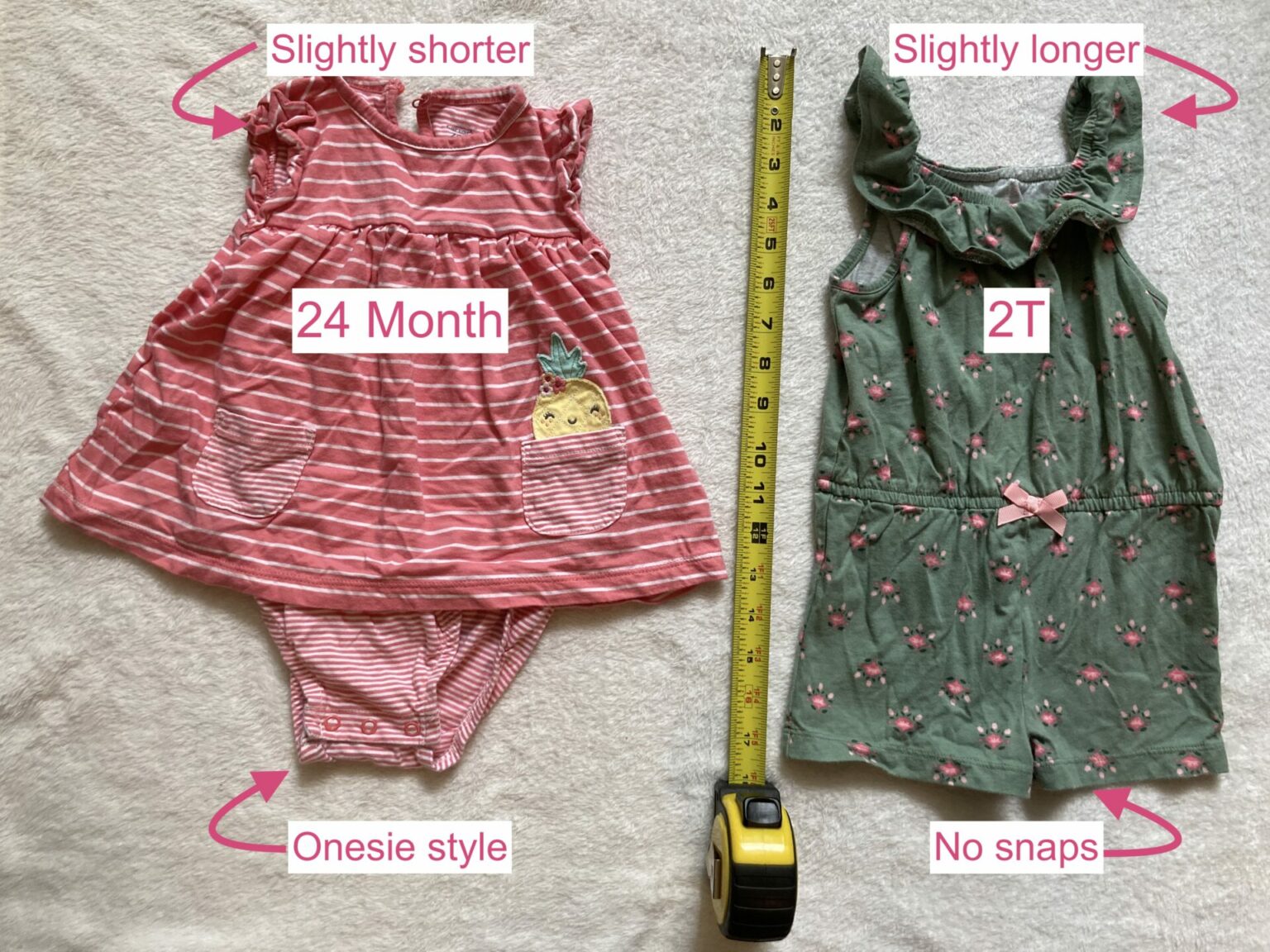
Baby clothes often allow more room for diapers. Toddler clothes may have a slimmer shape and longer sleeves or legs. A 2T outfit may also have less extra space around the bottom because many toddlers are beginning toilet training or wearing less bulky diapers.


Here is a simple comparison:
| Size | Designed for | Usual fit | Diaper room |
|---|---|---|---|
| 24 months | Older baby | Rounder baby fit | More room |
| 2T | Young toddler | Longer, slimmer fit | Often less room |
| 3T | Older toddler | Longer and larger | Usually little or no diaper allowance |
These differences are not universal. One brand’s 24-month size may fit much like another brand’s 2T. Always check the brand’s chart when possible.

What Age Usually Fits a 2T?
A 2T size usually fits a child who is about 2 years old. Some children wear 2T from about 18 months, while others may not need it until closer to age 3.
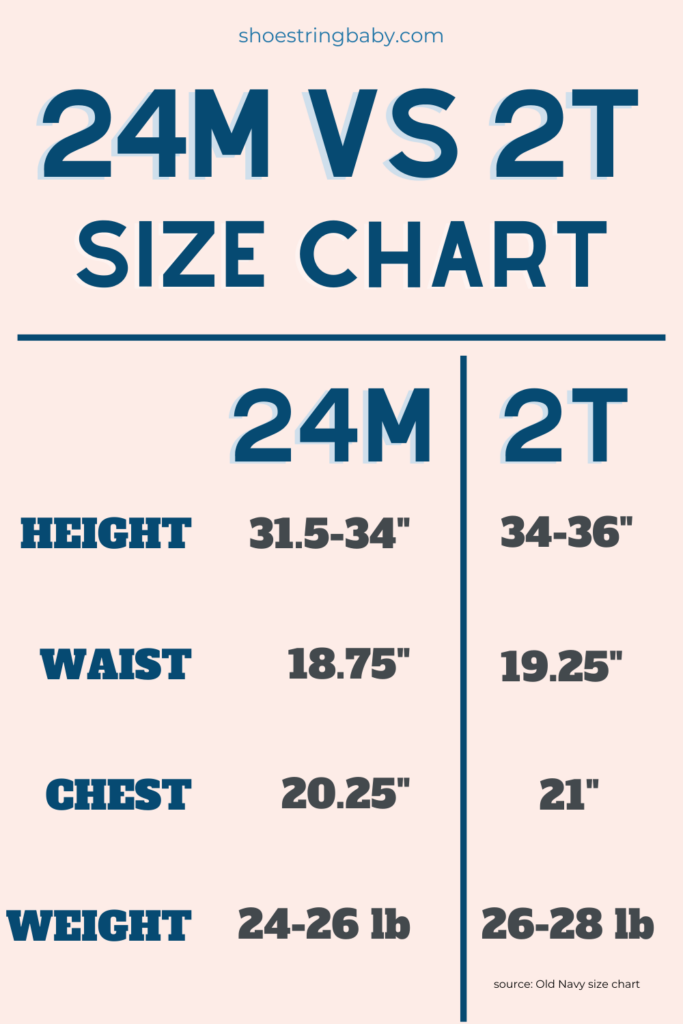
A child may fit 2T if the clothing chart lists measurements close to these general ranges:
- Height: about 32 to 35 inches
- Weight: about 26 to 30 pounds
These are broad examples, not fixed rules. U.S. clothing brands set their own size ranges. For example, Carter’s size charts and Gerber’s size guide may use different measurements for similar labels.
Your child’s measurements matter more than their age. A tall, slim 2-year-old may need a larger size for length but not for width. A shorter, fuller child may need a different fit.

How Should 2T Baby Clothes Fit?
A 2T outfit should allow easy movement without hanging loosely or creating safety problems.
Check these areas:
- Shoulders: Seams should sit near the edge of the shoulders.
- Chest and waist: The fabric should not pull across the body.
- Sleeves: Sleeves should reach the wrist without covering the hands.
- Pants: The waistband should stay up without leaving deep marks.
- Legs: Pant legs should not drag on the floor.
- Diaper area: If your child still wears diapers, allow enough room for comfort.
- Movement: Your child should be able to sit, walk, bend, and climb freely.
A good fit should feel like a little room to grow, not a tent. If the clothing leaves red marks, limits movement, or slips down, try a different size or cut.
How to Choose Between 18–24 Months, 24 Months, and 2T
Use your child’s measurements and the clothing’s intended fit. The label alone cannot settle the choice.
| Choose this size | It may work best when |
|---|---|
| 18–24 months | Your child still has a baby shape or needs more diaper room |
| 24 months | Your child is near age 2 and needs a roomy baby fit |
| 2T | Your child is moving into toddler proportions |
| 3T | 2T is too short or tight, especially in the torso or legs |
When your child is between sizes, consider the type of clothing:


- Tops: Size up if sleeves or the torso are already short.
- Pants: Size up only if the waist can stay secure.
- Pajamas: Follow the safety label, since loose sleepwear can be unsafe.
- Outerwear: A small amount of extra room can help with layers.
- Swimsuits: Do not size up so much that the suit can slip off.
For a growing child, buying one size ahead can make sense for casual clothing. However, very loose clothes may trip a child or get caught during play.

Why 2T Sizes Vary by Brand
There is no single U.S. clothing standard that makes every brand’s 2T identical. Each company may use a different pattern, measurement chart, and fit model.
Differences may come from:
- The brand’s target age group
- A slim, classic, or relaxed cut
- Stretchy or non-stretch fabric
- Cotton shrinkage after washing
- Different sleeve, torso, or inseam lengths
- Room for cloth or disposable diapers
- Unisex, boys’, or girls’ pattern differences
Read the chart before buying online. Look for height, weight, chest, waist, and hip measurements. If the chart gives only age, treat the label as an estimate.
Also check customer reviews with care. A review that says “runs small” describes one child, garment, and brand. It does not prove that all 2T clothing runs small.

Does 2T Mean the Same Thing as Size 2?
No. A size 2 and a 2T may be close in overall size, but they can have different proportions.
A 2T item is designed for a toddler. A regular size 2 may be part of a children’s line made for an older or taller child. It may have a longer body, different waist shape, or less diaper room.
Do not assume that a 2T is simply the toddler version of every size 2. Compare the brand’s measurements instead.
This difference matters most when buying:
- Pants
- Jeans
- Dresses
- Coats
- Fitted pajamas
- Clothing for a child who is tall or slim
Can a Child Wear 2T If They Still Wear Diapers?
Yes. A child can wear 2T while still wearing diapers. The key question is whether the garment has enough room for the diaper and allows normal movement.
Try the outfit with the type of diaper your child normally wears. A bulky overnight diaper may need more space than a thin daytime diaper. Check that snaps, zippers, and waistbands do not press into the skin.
If 2T feels tight around the diaper area but the length is right, look for:
- A relaxed cut
- Stretch fabric
- Pants with an adjustable waist
- A larger diaper-friendly style
- The 24-month size in that brand


Do not force a larger size if the waist or cuffs become loose enough to cause tripping.

Are 2T Clothes Safe for Sleep?
Sleepwear needs extra care. In the United States, children’s sleepwear may be labeled as snug-fitting or flame-resistant. The U.S. Consumer Product Safety Commission explains that snug-fitting children’s sleepwear is designed to reduce the risk of catching fire, while loose clothing can burn more easily. See the CPSC children’s sleepwear guidance.
Follow the garment label. Do not treat loose everyday clothing as a safe substitute for fitted sleepwear.
Before bedtime, check that:
- Pajamas fit close to the body where the label requires it.
- Sleeves and legs do not cover the hands or feet.
- Drawstrings are not near the neck.
- Long cords cannot wrap around a child.
- The fabric is not damaged or badly stretched.
If the sleepwear label says it is not flame-resistant, the fit instructions are especially important.

Common Mistakes When Buying 2T Clothing
Many sizing problems come from relying on the number alone. Avoid these common mistakes:
Mistake 1: Buying only by age
Two children who are both 2 years old may have very different heights and builds. Use measurements when available.
Mistake 2: Treating 24 months and 2T as identical
They can overlap, but 24-month clothes often give more room for a diaper and a baby’s body shape.
Mistake 3: Sizing up in every item
A larger shirt may work well. Oversized pants, pajamas, or coats may restrict movement or create a tripping risk.
Mistake 4: Ignoring fabric shrinkage
Cotton may shrink after washing. Follow the care label and consider whether the garment is pre-shrunk.
Mistake 5: Trusting one brand’s chart for another brand
A 2T label has no guarantee of identical measurements across companies.

Quick 2T Buying Checklist
Before you buy, check these points:
- Measure your child’s height.
- Check weight if the brand lists it.
- Measure the chest and waist for fitted clothing.
- Compare those numbers with the brand’s chart.
- Decide whether you need diaper room.
- Check the garment’s fabric and care instructions.
- Look for safe sleepwear labeling when buying pajamas.
- Size up only when the extra length or room will not create a safety issue.
- Keep the receipt if the fit is uncertain.
For online shopping, compare the garment chart with clothes your child already wears. A shirt that fits well can provide a useful reference for chest width and sleeve length.


Frequently Asked Questions
Is 2T the same as 2 years old?
Not exactly. 2T is a clothing size, not a strict age label. It usually targets toddlers around age 2, but height and body shape are better guides.
What is bigger: 2T or 24 months?
Neither is always bigger. They often overlap. 2T usually has a more toddler-shaped fit, while 24 months often has more room for a diaper and a baby’s rounder shape.
Should I buy 2T or 3T for a tall 2-year-old?
Check the child’s height and the brand’s chart. A tall child may need 3T for sleeve or pant length, but a slim child may find the waist too loose. Look for adjustable waists and slim-cut options.
Can a 1-year-old wear 2T?
Yes, if the child’s measurements match the 2T chart. The clothing may be long or loose on many 1-year-olds, so check the fit around the waist, cuffs, neck, and shoulders.
Do boys’ and girls’ 2T clothes fit differently?
They can. Different cuts may use different measurements, especially for waist, hips, chest, and inseam. The label matters less than the garment’s actual size chart.
Conclusion
2T means size 2 Toddler in U.S. baby and toddler clothing. It usually fits a child near age 2, but the correct choice depends on measurements and the brand’s cut.
Use 2T when your child is moving from a baby fit to a toddler fit. Choose 24 months when you need more diaper room or a rounder baby shape. When in doubt, compare your child’s height, weight, and body measurements with the brand’s chart before buying.
