
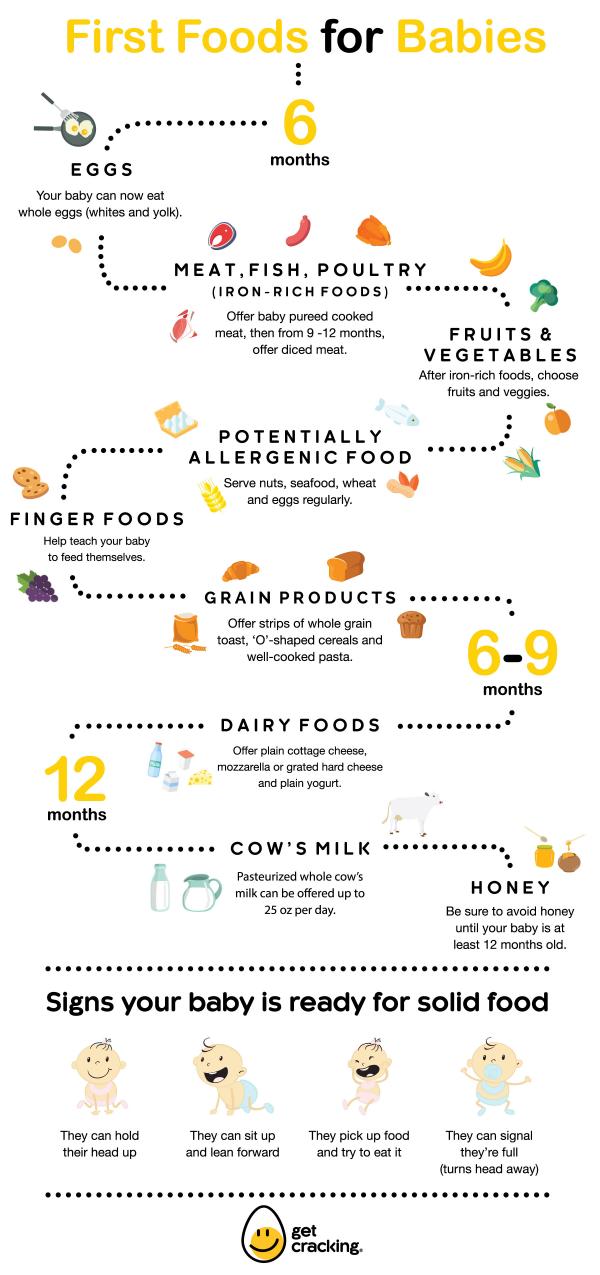
Most babies can have fully cooked eggs at about 6 months, when they are ready for solid foods.
Knowing when can babies have eggs helps parents introduce this nutrient-rich food safely and with less worry. Current guidance supports offering well-cooked egg soon after solids begin, rather than delaying it for many months. This guide explains readiness signs, safe serving ideas, allergy precautions, choking risks, and common mistakes to avoid.
When can babies have eggs?
Most babies can eat eggs at around 6 months. The key is not the exact birthday. Your baby should first show signs that they are ready for solid foods.
Health experts generally advise starting solids at about 6 months, but not before 4 months. Babies develop at different speeds, so readiness matters more than a specific date.
Look for these signs:
• Your baby can sit upright with little help and has good head control.
• Your baby opens their mouth when food comes near.
• Your baby can move food from the front of the mouth to the back.
• Your baby watches others eat and seems interested in food.
• Your baby no longer pushes food out with the tongue each time.
If your baby was born early, ask your pediatrician when to start. Premature babies may follow adjusted milestones.
When can babies have eggs if they are already eating other foods? They can usually try egg at any point after they are ready for solids. There is no medical need to wait until they have tried vegetables, fruit, or grains first.
Why eggs can be a good first food
Eggs are soft, easy to prepare, and full of useful nutrients. They provide protein, fat, choline, vitamin B12, selenium, and other nutrients that support growth and brain development.
Egg yolks and whites both contain nutrients. Babies can eat the whole egg when it is fully cooked. You do not need to separate the yolk from the white unless your child’s doctor gives you a special reason.
Eggs also have a soft texture. This makes them easy to mash, mix, or serve in small pieces. Still, texture alone does not remove choking risk. Safe preparation remains important.
Simple serving ideas include:
• Smooth mashed egg mixed with breast milk, formula, or pureed vegetables.
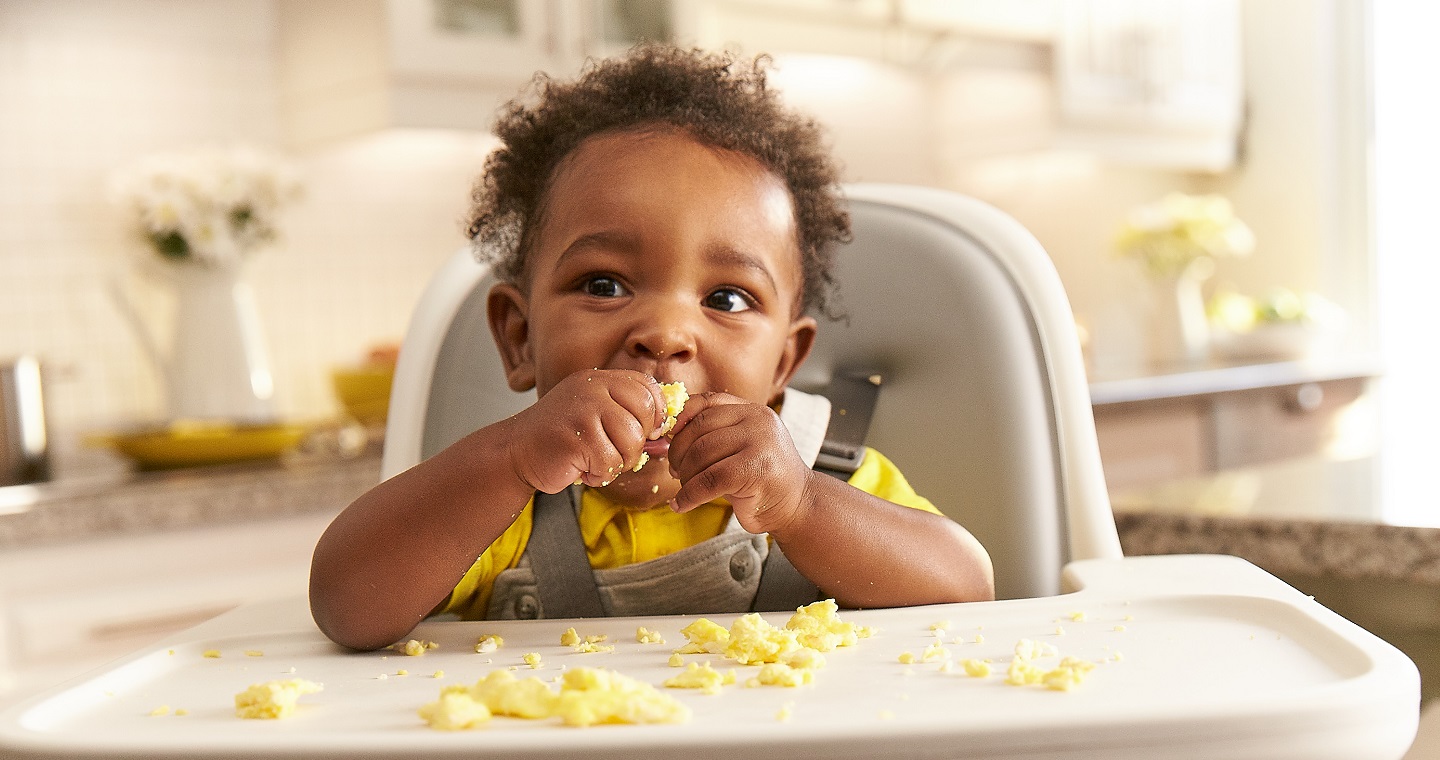
• Soft scrambled egg cut into tiny pieces.
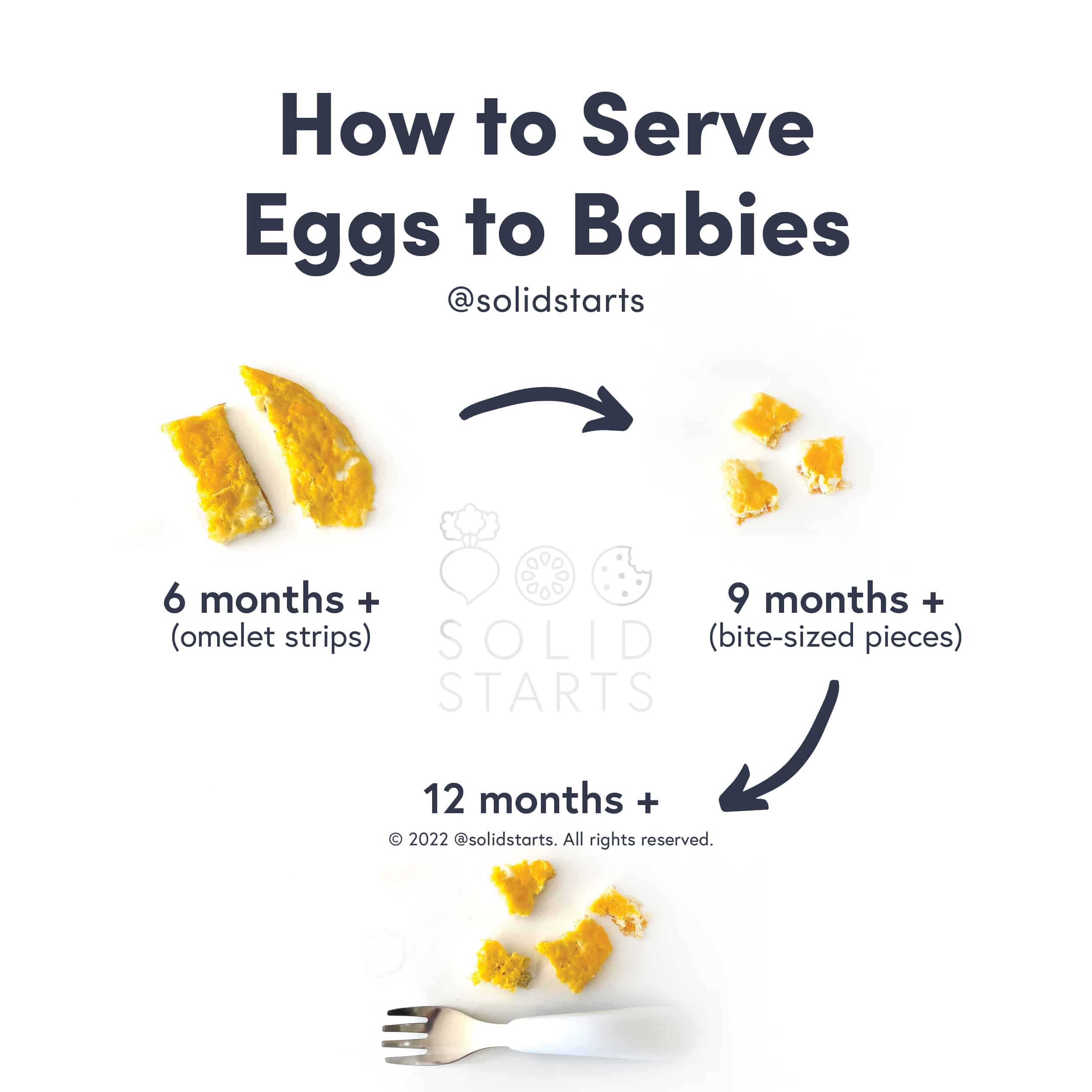
• A thin strip of well-cooked omelet that a baby can hold.
• Finely chopped hard-boiled egg mixed with plain yogurt or avocado.
• Egg cooked into a soft vegetable patty with no added salt.
When can babies have eggs as part of a balanced diet? Once introduced, eggs can appear as one of several regular protein foods. They should not replace breast milk or formula, which remain the main source of nutrition during the first year.
How to introduce eggs safely
Start with a small amount at home when you can watch your baby. A morning or early afternoon meal is often better than offering egg just before sleep.
Follow these steps:
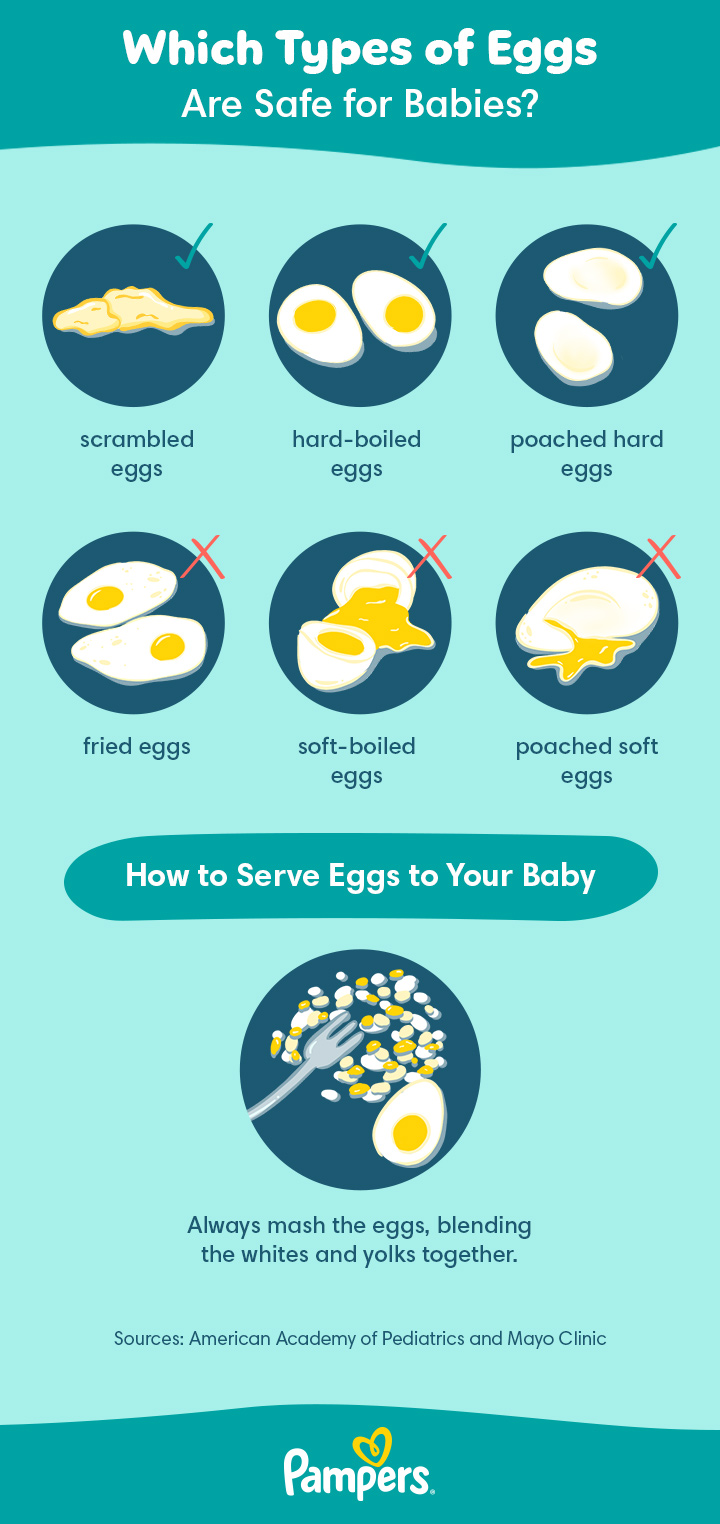
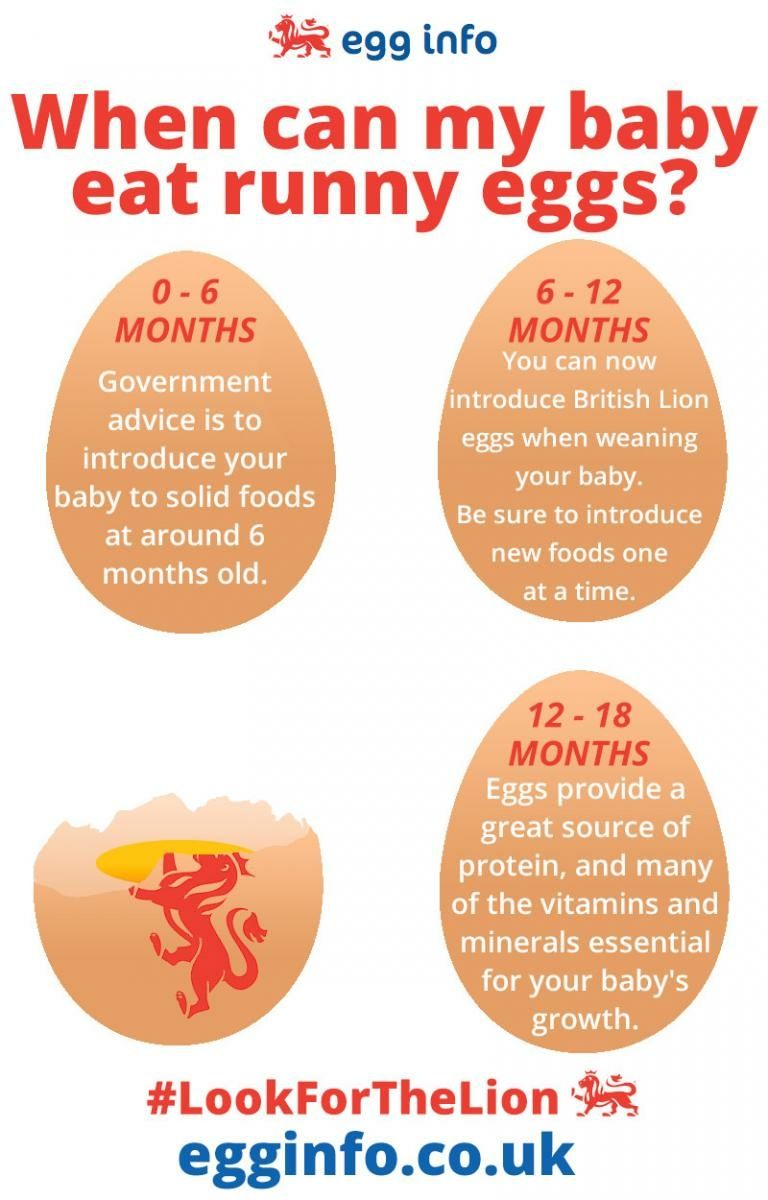
Cook the egg until both the white and yolk are firm. Avoid raw or runny egg.
Let the egg cool to a safe temperature.
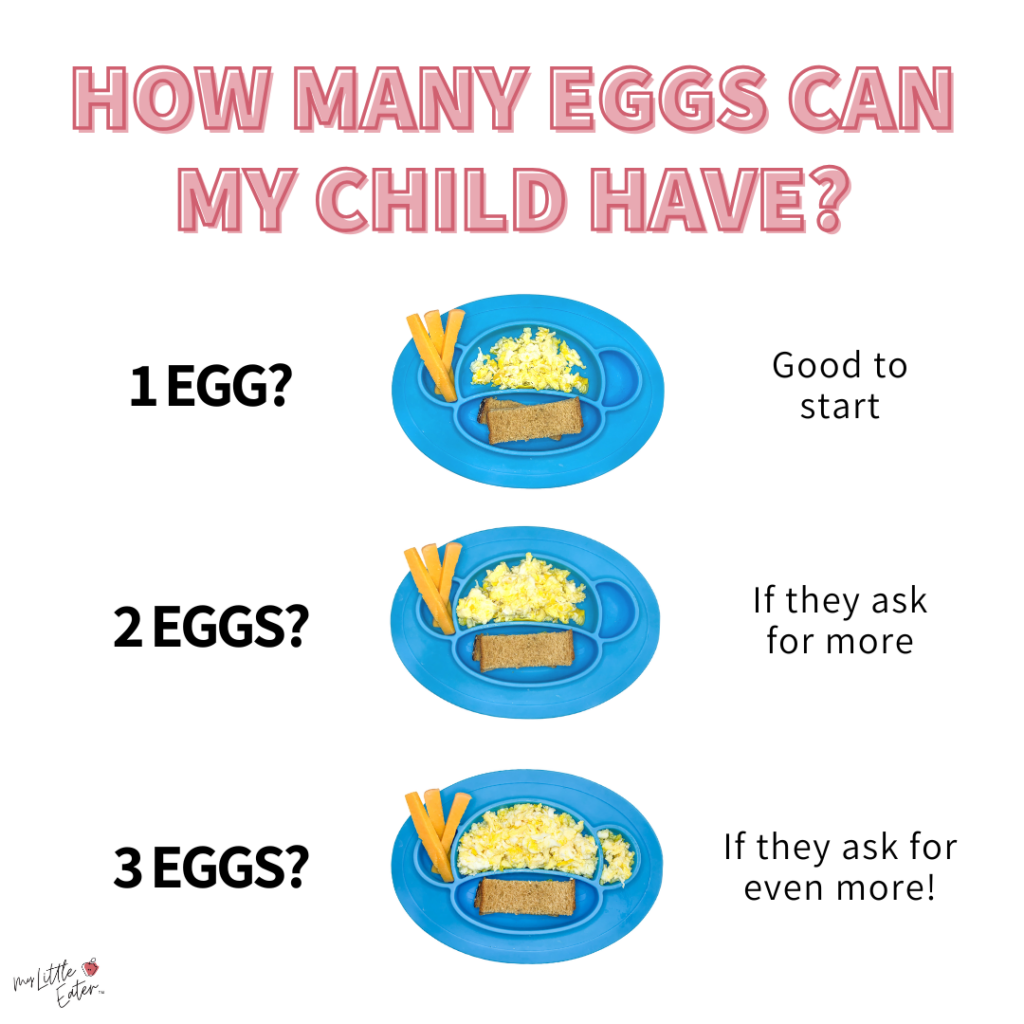
Offer a small amount, such as one-quarter teaspoon.
Watch your baby for signs of an allergic reaction.
If there is no reaction, slowly offer more at the same meal.
Add egg to your baby’s usual meal routine after successful introduction.
Some babies may dislike the taste or texture at first. That does not mean they cannot eat egg. Try again another day with a different texture, such as mashed egg instead of scrambled egg.
When can babies have eggs regularly? After your baby tolerates egg, many allergy experts suggest offering it regularly. A practical goal may be a few times each week, as long as your baby enjoys it and has no reaction. Ask your pediatrician for advice that fits your baby’s health history.
A lesson many parents learn is that the first bite does not need to be perfect. A calm setting, a tiny portion, and close watching are more useful than complicated recipes.
Baby egg allergy symptoms
Egg is one of the major food allergens. A reaction can happen after a tiny amount, although most babies tolerate egg well.
Watch for symptoms such as:
• Hives or red, itchy spots.
• Swelling of the lips, face, or eyelids.
• Vomiting soon after eating.
• Coughing, wheezing, or trouble breathing.
• A pale or unusually tired appearance.
• Sudden hoarseness or trouble swallowing.
Mild skin symptoms still deserve a call to your child’s health care provider. Stop offering egg until you receive medical advice.
Call 911 immediately if your baby has trouble breathing, swelling of the tongue or throat, repeated vomiting with other symptoms, or becomes limp or unresponsive. These may be signs of anaphylaxis, a serious allergic reaction.
When can babies have eggs if they have eczema? Babies with mild eczema can often start egg around 6 months. Babies with severe eczema or a known food allergy may need evaluation and, in some cases, allergy testing before eating egg.
Do not rub egg on your baby’s skin to test for an allergy. This does not safely predict whether your baby can eat egg and may irritate the skin.
Early egg introduction and allergy prevention
Older advice often told parents to delay common allergens. Current evidence has changed that approach. Research suggests that introducing cooked egg and peanut during the right developmental window may lower the chance of allergy in some babies.
This does not mean egg prevents every allergy. It also does not mean every baby should begin egg without medical guidance. The best plan depends on eczema, past reactions, family history, and your pediatrician’s advice.
The National Institute of Allergy and Infectious Diseases recommends early peanut introduction for babies at high risk of peanut allergy. Egg guidance is related but not identical, so parents should not treat peanut and egg as the same food.
A useful way to think about early introduction is this: the immune system is learning what is food and what may be harmful. Small, safe exposure may help that learning process, but it is not a guarantee.
When can babies have eggs to support early allergen introduction? Usually soon after starting solids, often near 6 months, if the baby is developmentally ready. Babies with severe eczema or an existing food allergy should be guided by a health professional.
How to prepare eggs for babies
Food safety is essential because undercooked eggs may carry harmful bacteria. The USDA advises cooking eggs until both the yolk and white are firm. Use clean hands, dishes, and cooking tools.
Safe preparation ideas depend on your baby’s age and feeding skills.
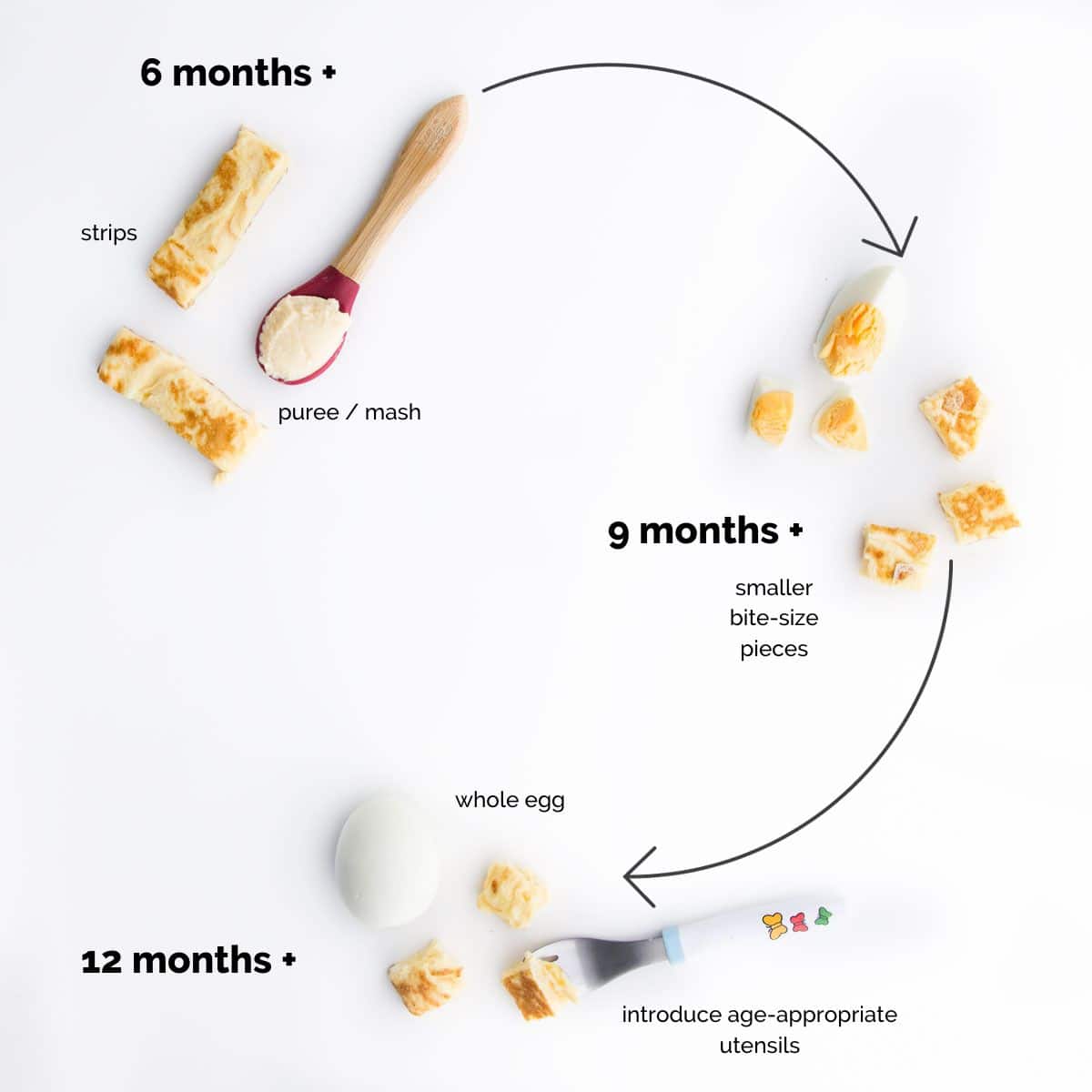
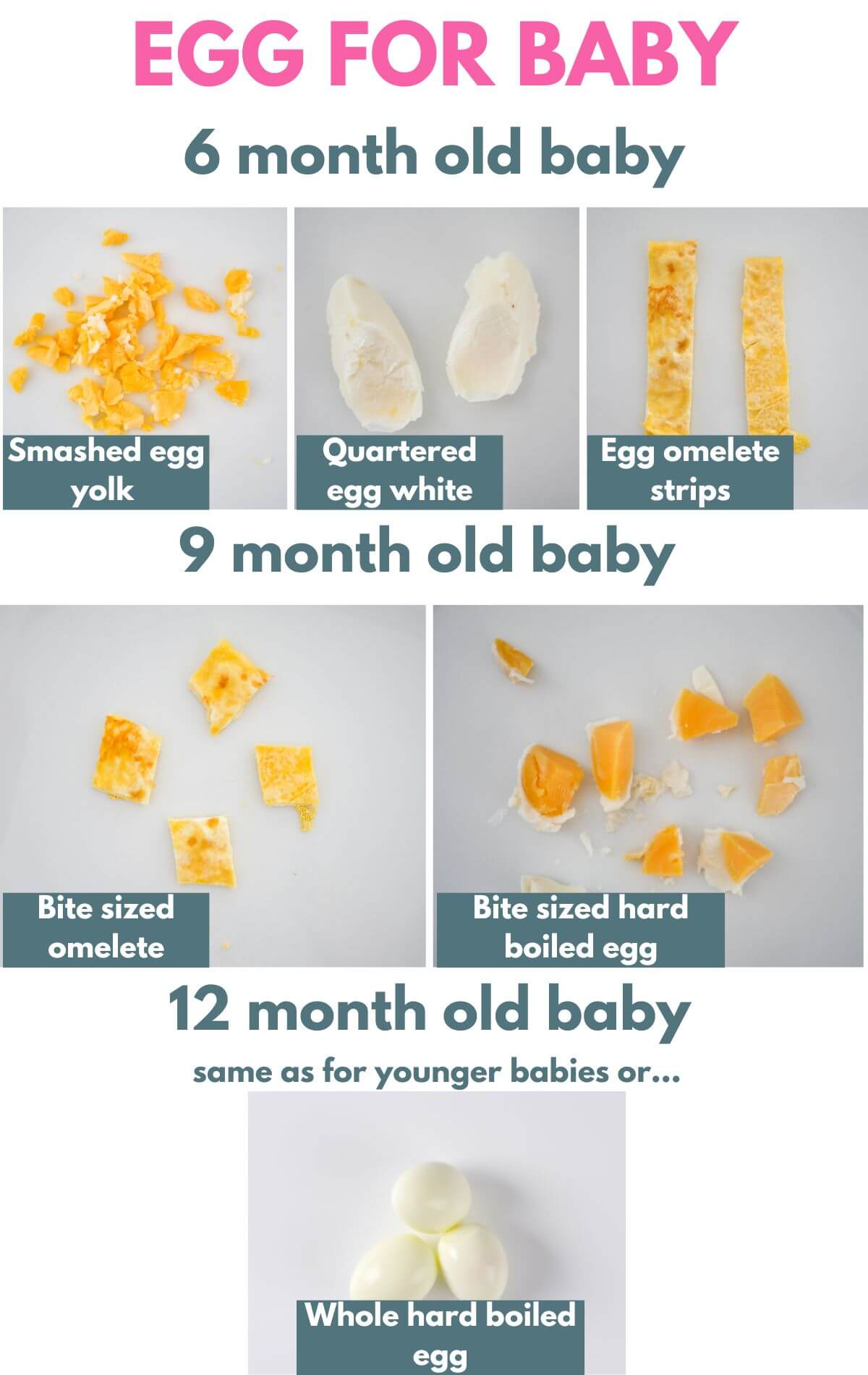
Around 6 months
Serve egg as:
• A smooth puree.
• Soft mashed egg.
• Very soft scrambled egg with no hard edges.
• A thick spread on a preloaded spoon.
Avoid large, dry lumps. They may be hard for a new eater to manage.
Around 8 to 9 months
Many babies can handle:
• Small, soft pieces of scrambled egg.
• Finely chopped hard-boiled egg.
• Soft strips of omelet.
• Egg mixed with mashed beans, vegetables, or avocado.
Your baby should remain seated upright while eating. Stay close and watch the whole time. Never feed egg in a car seat, stroller, or while your baby is lying down.
Around 12 months
Toddlers may eat small pieces of cooked egg in family meals. Limit added salt and avoid foods with raw egg, such as some homemade mayonnaise, raw cookie dough, and uncooked batter.
When can babies have eggs in baked foods? Babies may eat egg baked into food after they are ready for solids, but baked egg does not always cause the same immune response as regular cooked egg. If your baby has an egg allergy, ask an allergist before trying baked egg.
Choking risks and egg safety
Egg is not usually considered a high choking food when prepared correctly, but any solid food can cause choking. The shape, size, dryness, and firmness matter.
Reduce risk by following these tips:
• Keep your baby seated upright.
• Cut egg into soft, small pieces or offer a soft strip.
• Avoid firm chunks of hard-boiled egg.
• Do not serve dry, rubbery, or overcooked egg.
• Watch your baby while they eat.
• Learn the difference between gagging and choking.
Gagging is noisy and common as babies learn to eat. A gagging baby may cough, retch, or make sounds. Choking may be quiet, and the baby may not be able to breathe or cry.
Parents and caregivers should consider taking an infant CPR and choking response class. This preparation can make a frightening moment easier to manage.
Eggshell pieces can also create a hazard. Crack eggs carefully and check the food before serving. Store cooked eggs in the refrigerator and follow food safety guidance for leftovers.
Common mistakes when giving babies eggs
Parents often ask when can babies have eggs, but the bigger issue is how the egg is served. A few simple errors can increase risk or create unnecessary stress.
Avoid these common mistakes:
• Waiting until after age 1 without a medical reason. Delaying common allergens may not provide extra protection.
• Offering raw or runny egg. Undercooked egg can carry bacteria.
• Giving a large bite. Small, soft portions are easier for beginners.
• Introducing egg with several new foods. If a reaction occurs, it becomes harder to identify the cause.
• Feeding egg when the baby is sick or overtired. It may be difficult to tell whether symptoms come from illness or food.
• Stopping egg after one successful taste. Regular exposure may help maintain familiarity, unless a health professional advises otherwise.
• Using salt, sugar, or spicy sauces to improve the flavor. Babies do not need these additions.
• Pressuring the baby to eat. A relaxed approach builds trust and supports healthy feeding habits.
One practical lesson is to keep a simple food log during the first months of solids. Write down the food, amount, time, and any symptoms. This can help your pediatrician spot patterns.

Egg nutrition for babies
Eggs provide several nutrients that babies need during rapid growth. One large cooked egg contains protein and important vitamins, although serving sizes for babies are much smaller.
Key nutrients include:
• Protein for muscles, organs, and body tissues.
• Choline for brain and nervous system development.
• Vitamin B12 for blood and nerve health.
• Selenium for normal cell function.
• Fat for energy and growth.
Eggs are not a complete diet. Pair them with foods from other groups, such as vegetables, fruit, grains, beans, meat, fish, and dairy foods when appropriate.
Breast milk or iron-fortified formula remains very important during the first year. Once solids begin, offer iron-rich foods often. These may include meat, beans, lentils, iron-fortified cereals, and eggs.
When can babies have eggs for iron? Eggs contain some iron, but they are not the richest source. Offer them as part of a varied diet rather than using eggs as the only iron food.
A simple baby egg meal plan
Here is a simple way to introduce egg without making meals complicated.
First egg meal
Serve one-quarter teaspoon of fully cooked, mashed egg. Offer it alone or with a food your baby has already eaten safely.
Second egg meal
If there was no reaction, serve a little more egg with mashed avocado or a familiar vegetable. Keep the texture soft.
Later meals
Try soft scrambled egg, chopped hard-boiled egg, or a thin omelet strip. Continue to watch your baby’s feeding skills and appetite.
Never force a portion. Babies may eat very little at one meal and more at another. Their intake can change from day to day.
When can babies have eggs in family meals? Once your baby can manage the texture, you can adapt a family dish. Set aside the baby’s portion before adding salt, hot spices, or sugary sauces.
When to call a pediatrician
Talk with your child’s doctor before introducing egg if your baby has:
• Severe eczema.
• A known food allergy.
• A previous reaction to another food.
• Poor growth or feeding difficulty.
• A condition that affects the immune system.
• A history of serious allergic reactions.
Ask for a clear plan. The doctor may recommend introducing egg at home, in a clinic, or after allergy testing.
Contact a health professional if your baby develops hives, swelling, vomiting, coughing, or unusual sleepiness after eating egg. Seek emergency care for breathing problems, throat swelling, or a baby who becomes limp.
It is also wise to ask for help if your baby repeatedly coughs, gags hard, or struggles with different textures. A feeding specialist can check swallowing and oral motor skills.
Frequently Asked Questions About When Can Babies Have Eggs
When can babies have eggs for the first time?
Most babies can try fully cooked egg around 6 months, once they show readiness for solid foods. Do not offer egg before 4 months, and ask a pediatrician if your baby has severe eczema or a known allergy.
Can babies eat egg white and egg yolk?
Yes. Babies can usually eat both the white and yolk when the egg is fully cooked. There is no routine need to separate them.
Can a 6-month-old eat scrambled eggs?
Yes, if the scrambled egg is soft, fully cooked, and cut into small pieces or mashed. Keep your baby seated upright and watch closely during the meal.
How often can babies eat eggs?
After your baby tolerates egg, you can offer it regularly as part of a varied diet. Many families serve egg a few times each week, but your pediatrician can suggest a plan for your baby.
What are signs of an egg allergy in a baby?
Signs may include hives, facial swelling, vomiting, coughing, wheezing, or unusual tiredness. Breathing trouble, tongue swelling, or limpness requires an immediate 911 call.
Can babies eat runny eggs?
Babies should not eat raw or runny eggs because undercooked eggs may contain harmful bacteria. Cook eggs until both the yolk and white are firm.
Should babies with eczema avoid eggs?
Not always. Babies with mild eczema may often introduce egg around 6 months, but severe eczema or a known food allergy calls for medical guidance first.
Can babies eat foods baked with egg?
Many babies can eat egg baked into foods after starting solids, but baked egg may not be suitable for a child with an egg allergy. Ask an allergist before offering it to a baby who has reacted to egg.
Conclusion
Most babies can have fully cooked eggs around 6 months, when they can sit upright, control their head, and manage soft food. Start with a small amount, serve egg fully cooked, watch for allergy symptoms, and offer it in a safe texture.
Eggs can be a simple source of protein and key nutrients, but they should be part of a varied diet. If your baby has severe eczema, a known allergy, or a past food reaction, speak with a pediatrician before the first taste. Use this guide to plan a calm introduction, and explore more trusted infant-feeding resources as your baby grows.