
The best message celebrates the baby, supports the parents, and respects their unique feelings and needs.
Knowing what to say when someone has a baby can feel harder than expected. A short message may carry joy, love, and support, but new parents may also feel tired, worried, or overwhelmed. This guide offers warm, thoughtful examples for texts, cards, social posts, coworkers, friends, and family members, along with advice on what to avoid.

Why Your Words Matter After a Baby Arrives
The birth of a baby is a major life change. Parents may feel joy, pride, relief, fear, and exhaustion at the same time. A kind message can remind them that they are not alone.
When thinking about what to say when someone has a baby, focus on three simple goals:
- Celebrate the new baby.
- Acknowledge the parents.
- Offer support without creating pressure.
You do not need perfect words. A sincere message often means more than a long speech. Even “I am so happy for you” can bring comfort during a busy and emotional time.
It also helps to avoid making the message only about yourself. Saying, “I cannot wait to hold the baby,” is natural, but the parents may need rest and space first. Add a caring line that centers their well-being.
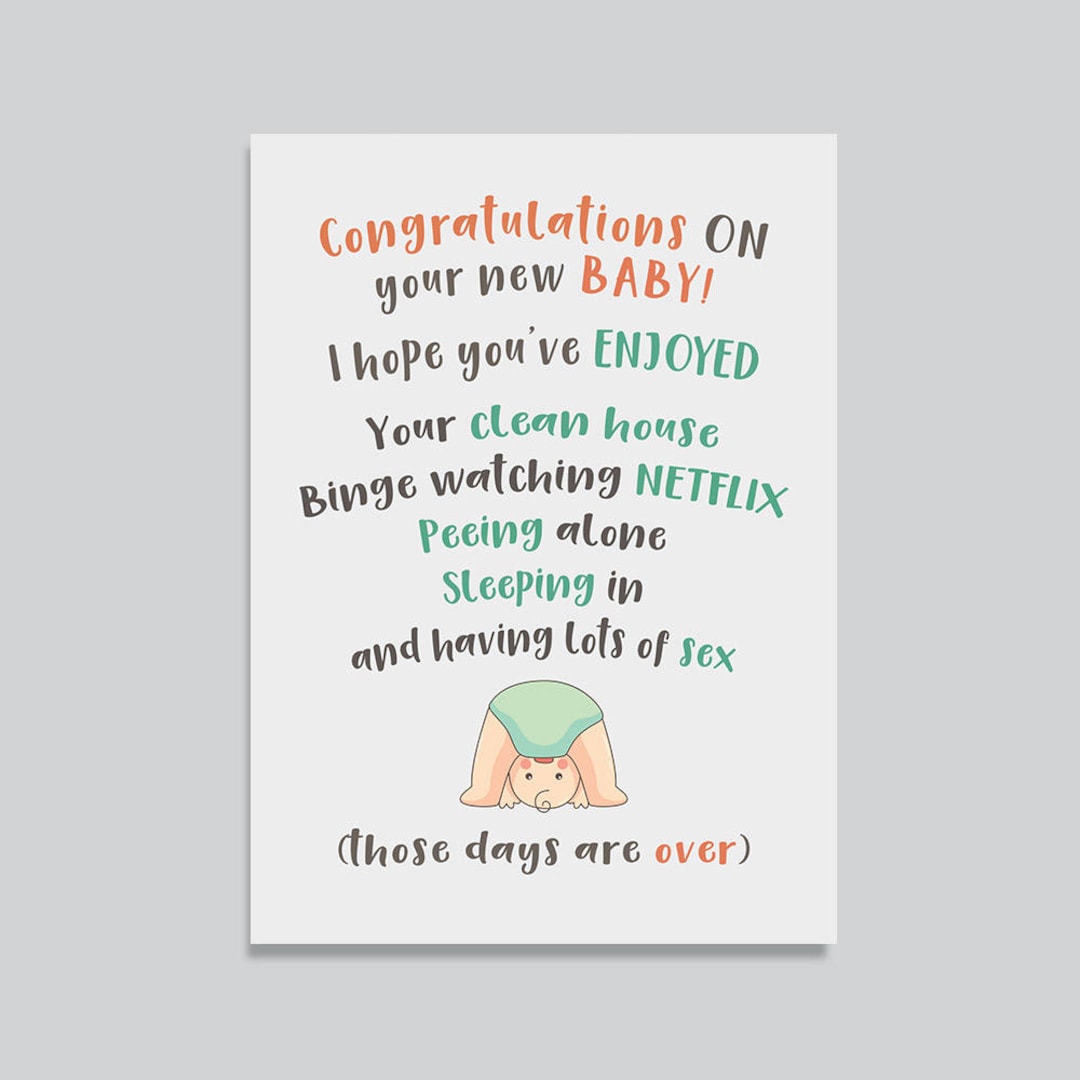
What to Say When Someone Has a Baby: Simple Messages
If you need a short and warm message, keep it clear. These examples work well in a text, card, email, or social media comment.
- Congratulations on your beautiful new baby!
- Welcome to the world, little one.
- I am so happy for your growing family.
- Your baby is lucky to have such loving parents.
- Wishing you love, rest, and many sweet moments together.
- Congratulations on this wonderful new chapter.
- Your little one is absolutely precious.
- Sending love to you and your new baby.
- I am thrilled for you and cannot wait to meet the baby.
- You are already wonderful parents.
A good answer to what to say when someone has a baby does not need to sound fancy. It should sound like you. If you are close to the family, add one personal detail, such as the baby’s name, birth date, or a quality you admire in the parents.
For example:
Congratulations on baby Maya! She is beautiful, and I know she will be surrounded by so much love.
Or:
I am so proud of you. You worked hard, and your little boy is lucky to have you as his parent.
Personal words make a common congratulations message feel more genuine.

Heartfelt Messages for Close Friends and Family
Close relationships allow you to be more personal. You can mention the long road to parenthood, the parents’ strength, or the joy of watching their family grow.
Here are some heartfelt examples:
- My heart is so full for you. Congratulations on your sweet baby.
- You have waited and hoped for this moment, and I am so happy to celebrate with you.
- Your baby is beautiful, and you are going to be an amazing parent.
- I know this road was not always easy. I am deeply happy for your family.
- This little one has already brought so much love into the world.
- I am here for the joyful days, the hard nights, and everything in between.
- You do not have to handle every part of this alone. Please let me know how I can help.
- I cannot wait to watch your family grow and make new memories together.
When deciding what to say when someone has a baby, remember that not every birth story is simple. Some parents may have faced fertility treatment, pregnancy loss, a difficult delivery, adoption, or a long hospital stay. Use gentle language unless they have openly shared details.
A supportive message might say:
I know this journey has meant so much to you. I am honored to celebrate your family and support you in every season.
This recognizes their experience without asking for private information.

Messages for a Coworker or Professional Contact
A message to a coworker should be warm but respectful. You can celebrate the birth without asking personal questions or expecting a quick reply.
Try one of these examples:
- Congratulations to you and your family on your new arrival.
- Wishing you and your baby health, happiness, and plenty of rest.
- Congratulations! I hope you enjoy this special time with your growing family.
- Your wonderful news made my day. Best wishes to you all.
- Sending warm congratulations as you begin this exciting new chapter.
- We are all thinking of you and wishing your family well.
If you manage the new parent, add practical support:
Congratulations on your new baby! Please focus on your family and recovery. We are happy to help with your transition back when the time is right.
This kind of message is better than asking when the parent will return to work. Family leave rules and recovery times vary. In the United States, federal and state leave options may differ, so avoid making promises about time off unless you are authorized to do so.
For professional communication, what to say when someone has a baby should remain inclusive. Say “your family” instead of assuming the person has a spouse, partner, or traditional family structure.

What to Say When Someone Has a Baby by Text
Text messages are useful because new parents can read them when they have a quiet moment. Keep the message short, kind, and free from pressure to respond.
A thoughtful text could say:
Congratulations! I am so happy for you. Your baby is beautiful. No need to reply; I just wanted you to know I am thinking of you.
That final sentence can be helpful. New parents often receive many messages, and they may not have the energy to answer each one.
You can also offer specific help:
Congratulations on your new baby! I would love to drop off dinner next week. Is Tuesday or Thursday better for you?
Specific offers are often more useful than saying, “Let me know if you need anything.” The open-ended offer is kind, but tired parents may not know what to ask for.
Consider offering:
- A meal or grocery delivery
- A pharmacy or grocery pickup
- A short visit at a time they choose
- Child care for an older sibling
- Help with laundry or pet care
- A quiet check-in call
The best approach to what to say when someone has a baby combines congratulations with practical care.

What to Write in a New Baby Card
A card gives you more space than a text. Still, the strongest messages are usually simple and sincere.
A traditional card message might say:
Congratulations on your beautiful baby! May your days be filled with love, laughter, and precious memories.
A more personal message could say:
Welcome, baby Noah. You are already deeply loved. Congratulations to two wonderful parents on this beautiful new beginning.
For a religious family, you may include faith-based language if you know it fits their beliefs:
May your family be blessed with love, peace, and strength as you begin this new journey.
If you are unsure about religious wording, choose a warm but neutral message. Cultural and personal beliefs differ, so respectful language is always the safest choice.
When writing what to say when someone has a baby in a card, avoid comparing the child to another baby. Each family has its own story, and comparisons can make parents feel judged.

What Not to Say After a Baby Is Born
Good intentions can sometimes lead to uncomfortable comments. New parents may already feel sensitive about their body, feeding choices, sleep, or parenting skills.
Avoid comments such as:
- You look tired.
- Is the baby sleeping through the night yet?
- When are you having another one?
- Was the birth natural?
- Are you breastfeeding?
- You must be exhausted.
- The baby is so tiny or so big.
- You will never sleep again.
- I did it differently when my children were babies.
These comments may seem casual, but they can feel intrusive or discouraging. Health, feeding, recovery, and sleep are personal topics.
Instead of pointing out tiredness, offer care:
You have been through a lot. Can I bring you dinner or help with an errand?
Instead of giving advice, ask whether the parent wants it:
Would you like a suggestion, or would you prefer that I simply listen?
Knowing what to say when someone has a baby includes knowing when not to speak. Respect can be just as meaningful as congratulations.

How to Make Your Message More Personal
A strong message often follows a simple pattern:
- Start with congratulations.
- Mention the baby or the parents.
- Add a sincere feeling.
- Offer support without pressure.
For example:
Congratulations on baby Emma! She is beautiful, and I am so happy for you both. I hope you get plenty of rest and support during these first weeks. I am here whenever you need me.
You can make the message personal by mentioning:
- The baby’s name, if the family has shared it
- A quality you admire in the parent
- A shared memory
- A practical offer of help
- Your excitement to meet the baby when they are ready
In my experience, the most memorable messages are not the most polished ones. They are the ones that sound true. One friend may prefer a funny text, while another may value a quiet note that recognizes how much effort the journey required.
A gentle joke can work with close friends:
Congratulations! Your coffee may never be hot again, but your heart will be fuller than ever.
Use humor with care. Avoid jokes about weight, pain, marriage, breastfeeding, or the baby being a burden.

What to Say When the Birth Was Difficult
Some births involve medical complications, an emergency cesarean section, premature delivery, or a long recovery. In these cases, do not focus only on the happy outcome. The parent may still be processing fear or pain.
Try saying:
- I am so glad you and the baby are safe.
- You have been through so much. I am thinking of you.
- You do not need to explain anything. I am here to listen.
- Please take all the time you need to heal.
- I am sending love and support to your whole family.
- I am glad the baby arrived, and I hope you are receiving good care too.
Do not assume that the parent feels only joy. Birth can be both beautiful and difficult. A supportive message leaves room for mixed emotions.
If the baby is in the neonatal intensive care unit, keep your message calm and hopeful:
Your baby is in my thoughts, and I am sending strength to your family. There is no need to reply. I am here whenever you need support.
Do not ask for constant updates. Families in medical situations may be under great stress and may not have the time or privacy to respond.
When and How to Send Your Message
Send your message when you learn the news, unless the family has asked people to wait. A short text is often the easiest first step. You can send a card or gift later.
Consider these simple rules:
- Use the baby’s name only if the parents have shared it publicly.
- Do not share birth news on social media before the parents do.
- Ask before visiting.
- Keep visits short unless the parents invite you to stay.
- Wash your hands before holding the baby.
- Stay home if you feel sick.
- Follow the parents’ rules about kissing and close contact.
These steps matter because newborns are vulnerable to infections, and families may choose different levels of caution. Guidance from pediatric health experts commonly emphasizes hand hygiene and avoiding contact when sick.
If you visit, do not expect the parents to host you. Bring food, wash a dish, or offer another small act of help. A useful visit should feel like support, not another task.
Common Mistakes to Avoid
People often make mistakes because they want to be helpful. The good news is that most are easy to prevent.
One common mistake is making the message about meeting the baby. Say, “I would love to meet the baby when you are ready,” rather than “When can I come over?”
Another mistake is offering help without a clear plan. Instead of “Call me anytime,” try, “I can bring dinner on Friday.” Specific help reduces the mental work for new parents.
Avoid giving advice unless the parent asks. Modern guidance can differ from older family traditions, especially around safe sleep, feeding, and newborn care. For health concerns, parents should rely on their pediatrician or qualified health professionals.
Finally, do not disappear after the first week. The first days bring many messages, but support is often needed for months. A text that says, “Thinking of you today—how are you holding up?” can mean a great deal.
Frequently Asked Questions About What to Say When Someone Has a Baby
What is the best thing to say when someone has a baby?
Say something warm and simple, such as, “Congratulations on your beautiful baby! I am so happy for your family.” Add an offer of specific help if you are close to the parents.
Should I say “congratulations” after a baby is born?
Yes, “congratulations” is appropriate in most situations. If the birth was difficult, combine it with empathy, such as, “I am so glad you and the baby are safe, and I am thinking of you.”
What should I text a new mom or new dad?
Send a short message that celebrates the baby and supports the parent. For example, “Congratulations! Your baby is precious. No need to reply—I just wanted you to know I am thinking of you.”
What should I say if I do not know the parents well?
Use a polite and neutral message, such as, “Congratulations to you and your family on your new arrival. Wishing you all health and happiness.”
What should I avoid saying to new parents?
Avoid comments about sleep, weight, feeding, birth choices, or when they will have another baby. Do not offer criticism or advice unless the parent asks for it.
Is it okay to offer help after a baby is born?
Yes, but make the offer specific and easy to accept. Bringing a meal, picking up groceries, or helping with an older child is often more useful than saying, “Let me know if you need anything.”
Conclusion
The best answer to what to say when someone has a baby is warm, respectful, and personal. Celebrate the baby, recognize the parents, and leave room for their real feelings, including joy, tiredness, worry, or relief.
A short message can be enough: “Congratulations! I am so happy for you. I am here to support you, and there is no need to reply.” Add a specific offer of help when you can, respect privacy, and continue checking in after the first wave of excitement.
Use these ideas to write a message that sounds like you, then send it with genuine care. If you have a favorite new-baby message or helpful tradition, share it with others.