
Yes, low-dose aspirin and baby aspirin usually mean the same small-strength aspirin dose.
The question “is low dose aspirin the same as baby aspirin” sounds simple, but the answer has important details. In the United States, both terms usually refer to an 81-milligram aspirin tablet. However, the right dose depends on your health, bleeding risk, age, and reason for taking it. This guide explains the difference, benefits, risks, and safe-use tips so you can make an informed choice with your health care professional.
Is low dose aspirin the same as baby aspirin?
Yes, in most cases, low-dose aspirin is the same as baby aspirin. Both names commonly describe aspirin that contains 81 milligrams of acetylsalicylic acid, the drug’s active ingredient.
The term “baby aspirin” is an older nickname. It does not mean the medicine is intended for babies or children. Aspirin can cause serious harm in children and teenagers with certain viral illnesses, including a rare condition called Reye’s syndrome.
The phrase “low-dose aspirin” is more accurate because it describes the amount of medicine. It also avoids the mistaken idea that the product is safe for infants.
In the United States, you may see these labels:
• Low-dose aspirin
• Baby aspirin
• 81 mg aspirin
• Children’s aspirin, an outdated term that should not be used to guide treatment
These products may contain the same active ingredient, but they can differ in coating, tablet type, brand, and inactive ingredients.
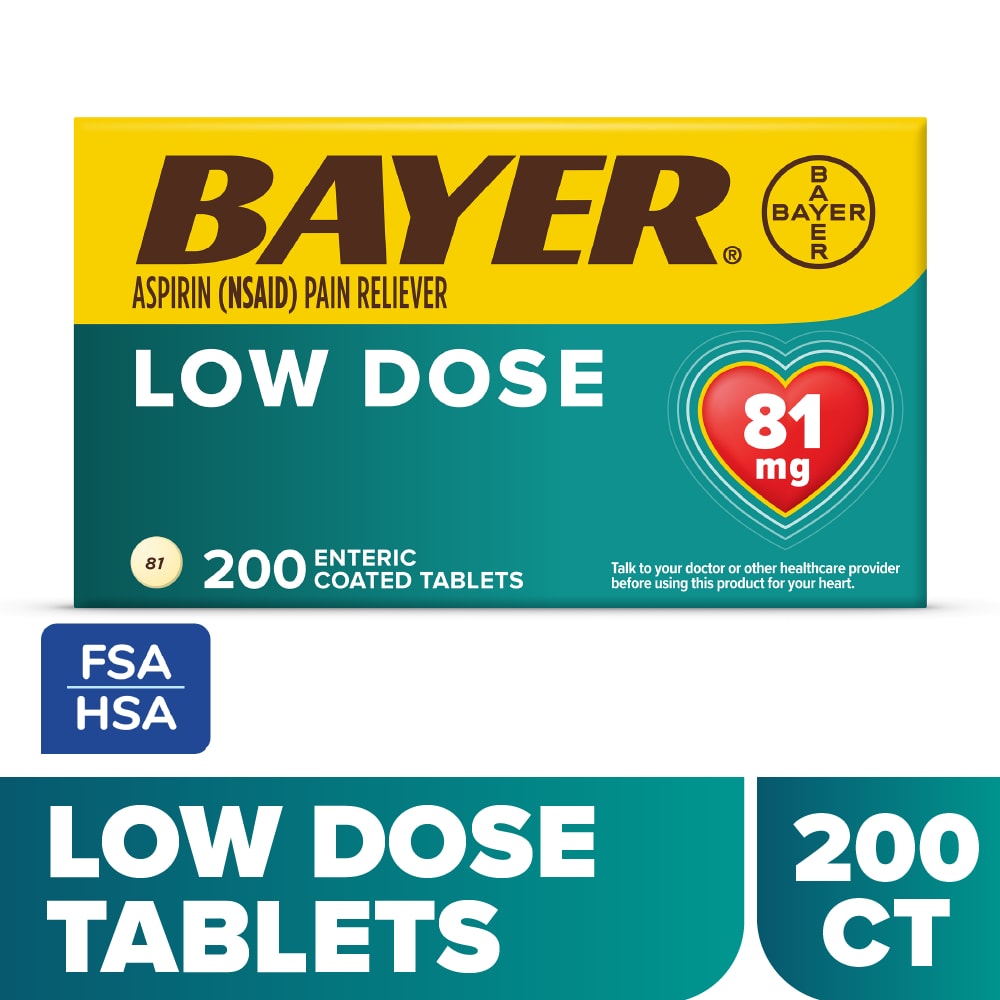
What is low-dose aspirin?
Low-dose aspirin is aspirin taken in a smaller amount than the common adult strength of 325 milligrams. An 81-milligram tablet is the most common low-dose form in the United States.
Aspirin belongs to a group of medicines called antiplatelet drugs. It reduces the ability of platelets to stick together and form clots. This effect can help lower the risk of some heart attacks and strokes in people who have a clear medical reason to use it.
Aspirin also reduces pain, fever, and inflammation. However, an 81-milligram tablet is not usually the best choice for treating strong pain or a high fever. A health professional may recommend a different medicine or dose for those problems.
The answer to “is low dose aspirin the same as baby aspirin” is usually yes because both names often refer to 81 milligrams. Still, always read the Drug Facts label. Some products may contain a different strength or a combination of ingredients.
Common aspirin strengths
• 81 milligrams: Often called low-dose or baby aspirin
• 325 milligrams: Common adult-strength aspirin
• Higher doses: Sometimes used for specific medical conditions under professional guidance
Aspirin products may also be chewable, regular, or enteric-coated. These forms may act differently in the stomach, but they still contain aspirin as the main active drug.

Why do doctors recommend low-dose aspirin?
Doctors may recommend low-dose aspirin because it can help prevent blood clots in certain people. For example, someone who has already had a heart attack, ischemic stroke, or certain heart procedures may receive aspirin to reduce the chance of another event.
This is called secondary prevention. In this setting, the expected benefit may be greater than the bleeding risk. Stopping aspirin without medical advice can sometimes increase the risk of a serious clot.
Primary prevention is different. It means trying to prevent a first heart attack or stroke in someone who has not had one before. Current guidance does not support routine aspirin use for everyone because the benefit may be small while the risk of stomach or brain bleeding remains real.
The answer to “is low dose aspirin the same as baby aspirin” does not tell you whether you should take it. The more important question is whether aspirin is appropriate for your personal health history.
A clinician may consider factors such as:
• Your age
• Blood pressure control
• Cholesterol levels
• Diabetes
• Smoking history
• Previous heart attack or stroke
• History of stomach ulcers or bleeding
• Kidney or liver disease
• Use of blood thinners or anti-inflammatory drugs
Never begin daily aspirin just because a family member takes it. A treatment that helps one person may harm another.

Low-dose aspirin and baby aspirin: key similarities
When people ask, “is low dose aspirin the same as baby aspirin,” they usually want to know whether the two products work the same way. If both contain 81 milligrams of aspirin, their main effects are generally the same.
Similarities
• Both usually contain 81 milligrams of aspirin.
• Both reduce platelet clumping.
• Both may be used for specific heart or blood vessel conditions.
• Both can cause stomach irritation and bleeding.
• Both can interact with other medicines.
• Neither should be given to babies without direct medical instruction.
The active ingredient is the key factor. Brand names and package colors matter less than the strength, form, and directions on the label.
For example, one bottle may say “low-dose aspirin 81 mg,” while another says “baby aspirin 81 mg chewable.” If both contain aspirin at the same strength, they provide a similar amount of the drug. Their flavor, coating, and inactive ingredients may still differ.
Important differences between products
Although low-dose aspirin and baby aspirin often mean the same thing, the products are not always identical. The biggest differences involve formulation and how the tablet is taken.
Chewable versus swallowed tablets
Chewable aspirin can be chewed before swallowing. This may help the medicine act more quickly in certain emergency situations, such as a suspected heart attack, but you should follow emergency instructions rather than self-treating.
Regular tablets are swallowed with water. Do not crush or chew an enteric-coated tablet unless a pharmacist or doctor says it is safe.
Enteric-coated aspirin
Enteric-coated aspirin has a special layer designed to delay dissolving until the tablet moves beyond the stomach. Some people choose it because they hope it will cause less stomach upset.
However, enteric coating does not remove the risk of gastrointestinal bleeding. It may also delay absorption. The best form depends on the reason for treatment and your clinician’s advice.
Inactive ingredients
Different brands may use different dyes, sweeteners, binders, or flavoring agents. This matters if you have allergies, food sensitivities, or difficulty swallowing certain tablets.
So, is low dose aspirin the same as baby aspirin in every way? No. The active drug and strength are often the same, but the product form may differ.
Benefits and limitations of 81-milligram aspirin
Low-dose aspirin can be helpful when used for the right reason. It can lower the chance of clot-related events in some people with known cardiovascular disease.
Possible benefits include:
• Lower risk of another heart attack in selected patients
• Lower risk of another ischemic stroke in selected patients
• Prevention of clots after some heart procedures
• Treatment plans for certain blood vessel conditions
But aspirin is not a universal heart-protection pill. It does not remove plaque, cure high blood pressure, or replace cholesterol treatment. It also does not prevent every type of stroke.
Aspirin may increase the risk of:
• Stomach ulcers
• Gastrointestinal bleeding
• Easy bruising
• Bleeding in the brain
• Allergic reactions or asthma symptoms
• Kidney problems in some people
The risk can rise with age, heavy alcohol use, uncontrolled high blood pressure, a past ulcer, or use of other medicines that affect bleeding.
This is why the answer to “is low dose aspirin the same as baby aspirin” should always include a safety check. Similar names do not mean the medicine is safe for everyone.
Who should be careful with low-dose aspirin?
Talk with a health professional before taking daily aspirin if you have ever had:
• A stomach ulcer or digestive tract bleeding
• An allergy to aspirin or other nonsteroidal anti-inflammatory drugs
• Asthma that worsens after taking pain medicine
• A bleeding disorder
• Kidney disease or liver disease
• Uncontrolled high blood pressure
• A recent surgery or dental procedure
• A history of bleeding in the brain
Also discuss aspirin if you take warfarin, apixaban, rivaroxaban, clopidogrel, ibuprofen, naproxen, steroids, or certain supplements. Combining products can raise bleeding risk.
Pregnant people should not start aspirin without medical advice. In some pregnancies, a clinician may prescribe a specific low dose to reduce the risk of preeclampsia. That decision requires individualized care.
Children and teenagers should not take aspirin for fever or viral symptoms unless a qualified clinician specifically directs it. Acetaminophen or ibuprofen may be safer choices in some cases, but the right option depends on age and health.
How to take low-dose aspirin safely
If a clinician recommends aspirin, use it exactly as directed. Do not take extra tablets because you missed a dose, unless your prescriber gives different instructions.
Helpful safety steps include:
Check the strength before each new purchase. Look for “aspirin 81 mg” or the strength your clinician prescribed.
Take it with water. Food may help reduce stomach discomfort, but it does not eliminate bleeding risk.
Avoid taking ibuprofen or naproxen regularly without asking a professional. These medicines can increase bleeding risk and may affect aspirin’s protective action.
Tell every doctor, dentist, and pharmacist that you take aspirin.
Store the medicine away from children.
Seek care for black stools, vomiting blood, coughing blood, unusual weakness, severe headache, fainting, or bleeding that will not stop.
One common mistake is assuming that a small tablet cannot cause serious harm. The dose is small, but aspirin still changes how blood clots. Think of it as turning down the body’s clotting alarm, not as taking a harmless vitamin.
If you have been prescribed daily aspirin after a heart attack, stroke, stent, or bypass surgery, do not stop it on your own. Contact the prescriber first.
How to choose between low-dose aspirin products
When comparing products, focus on the label instead of the nickname. The answer to “is low dose aspirin the same as baby aspirin” is most useful when you compare the active ingredient and strength.
Check these details:
• Active ingredient: It should say aspirin or acetylsalicylic acid.
• Strength: Common low-dose aspirin contains 81 milligrams.
• Form: Note whether it is chewable, regular, or enteric-coated.
• Added ingredients: Look for caffeine, acetaminophen, or other medicines.
• Expiration date: Do not use expired medicine.
• Directions: Follow the label or prescription.
If you have trouble reading the label, ask a pharmacist to compare two products. Pharmacists can also help identify duplicate ingredients in cold medicines, pain relievers, and combination products.
Do not switch from prescribed aspirin to another form without checking first. The change may affect how fast the drug works or how well you tolerate it.
What experts say about daily aspirin
Medical guidance has changed over time. Years ago, many adults were told to take daily aspirin for general heart protection. More recent evidence shows that routine aspirin for primary prevention may cause more harm than benefit in many healthy adults.
The U.S. Preventive Services Task Force recommends an individualized decision for some adults at increased cardiovascular risk and advises against starting aspirin for primary prevention in older adults because bleeding risk rises with age. The American Heart Association also emphasizes shared decision-making and careful assessment of cardiovascular and bleeding risks.
These recommendations do not mean aspirin is unhelpful. They mean the reason for treatment matters. A person with previous cardiovascular disease may benefit, while a person without it may not.
Studies have also shown that enteric-coated aspirin does not fully prevent gastrointestinal bleeding. This is an important point for people who believe coated tablets are automatically safer.
The phrase “is low dose aspirin the same as baby aspirin” describes the product. It does not replace a medical evaluation. Your treatment plan should reflect current evidence and your personal risks.
Common mistakes to avoid
People often make simple errors when using aspirin. Avoiding them can improve safety.
• Treating “baby aspirin” as medicine for children. The name is misleading and outdated.
• Starting daily aspirin after seeing a social media post. Heart protection requires an individual risk review.
• Taking aspirin with another aspirin-containing product. Read labels on cold and pain medicines.
• Assuming enteric-coated aspirin cannot cause ulcers or bleeding. It can still cause both.
• Stopping prescribed aspirin suddenly. Ask the prescribing clinician first.
• Taking aspirin for chest pain instead of calling emergency services. Call 911 for possible heart attack symptoms and follow the dispatcher’s advice.
• Using aspirin to treat a child’s fever without medical direction. This may be dangerous.
In my experience with health information, the most useful habit is to bring every medicine bottle to a medication review. A short pharmacist visit can reveal duplicate drugs, unsafe combinations, or a strength that does not match your prescription.
Frequently Asked Questions about is low dose aspirin the same as baby aspirin
Is 81 mg aspirin the same as baby aspirin?
Usually, yes. In the United States, “baby aspirin” commonly refers to an 81-milligram aspirin tablet, which is also called low-dose aspirin.
Can adults take baby aspirin every day?
Some adults may need daily 81-milligram aspirin for secondary prevention after a heart attack, stroke, or heart procedure. Many other adults should not start daily aspirin without medical advice because bleeding may outweigh the benefit.
Is baby aspirin safe for children?
No, not as a general rule. Aspirin can be linked to Reye’s syndrome in children and teenagers recovering from certain viral infections, so use it only when a qualified clinician specifically prescribes or recommends it.
Does enteric-coated baby aspirin prevent stomach bleeding?
No. Enteric coating may delay where the tablet dissolves, but it does not eliminate the risk of ulcers or gastrointestinal bleeding.
Can I take ibuprofen with low-dose aspirin?
Ask a doctor or pharmacist before combining them. Ibuprofen and other anti-inflammatory drugs can increase bleeding risk and may interfere with aspirin’s antiplatelet effect when taken at certain times.
Should I stop low-dose aspirin before surgery?
Do not stop it on your own. The surgeon and the clinician who prescribed it should decide whether stopping is safe, because the answer depends on your bleeding and clotting risks.
Conclusion
So, is low dose aspirin the same as baby aspirin? In most U.S. products, yes: both usually mean 81 milligrams of aspirin. The active ingredient is often the same, but tablet type, coating, and inactive ingredients can differ.
The bigger issue is whether aspirin is right for you. It may help people with established cardiovascular disease, but it can cause serious bleeding and is not suitable for everyone. Check the label, review your medicines, and speak with a health professional before starting or stopping daily aspirin. For more medication safety guidance, explore trusted health resources or schedule a medication review with your pharmacist.