
Babies wear helmets mainly to reshape the skull and protect the head during early growth.
I have worked with infants and families for years and have guided parents through helmet therapy, safety choices, and follow-up care. This article explains why do babies wear helmets, how they work, when they are needed, and what parents should expect, with practical tips from real-life experience and current clinical practice.
Why do babies wear helmets: medical reasons and causes
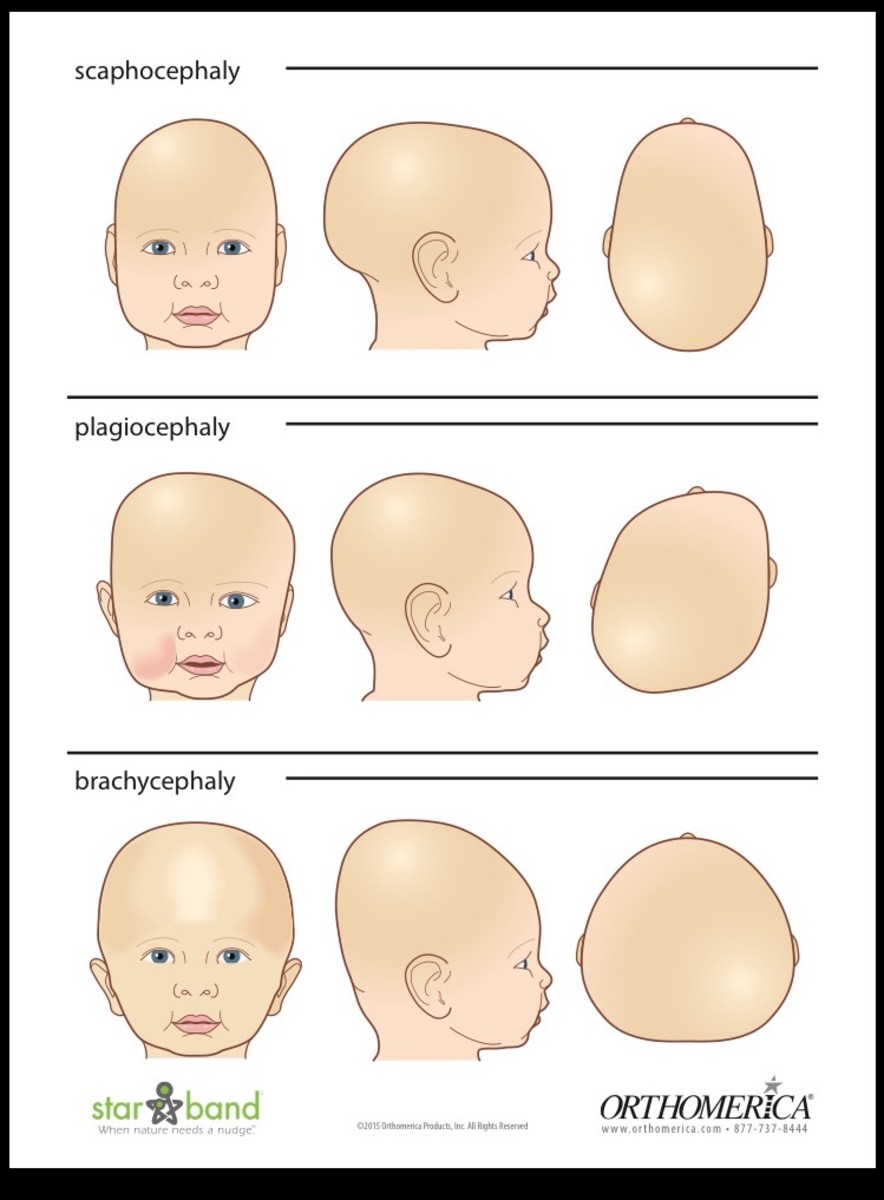
Babies wear helmets most often to treat positional plagiocephaly and related skull asymmetry. Positional plagiocephaly means one side of the skull flattens from repeated pressure. This can happen when babies lie in the same position for long periods.
Other reasons babies wear helmets include:
- Brachycephaly — a wide, flattened back of the head.
- Scaphocephaly — a long, narrow head shape, sometimes linked to early suture fusion.
- Complex cranial differences after skull surgery or injury where protection helps healing.
Helmets do two main things. They give room on the flatter side for the skull to grow while gently directing growth to a more even shape. They also protect thin areas of the skull as babies move and explore.
Clinical guidelines recommend considering helmet therapy when asymmetry is moderate to severe, when repositioning and tummy time have not helped, and when the baby is within the rapid growth window of the first 4–12 months. Timing matters because skull bones are more malleable and grow faster in early infancy.
How helmet therapy works and expected benefits
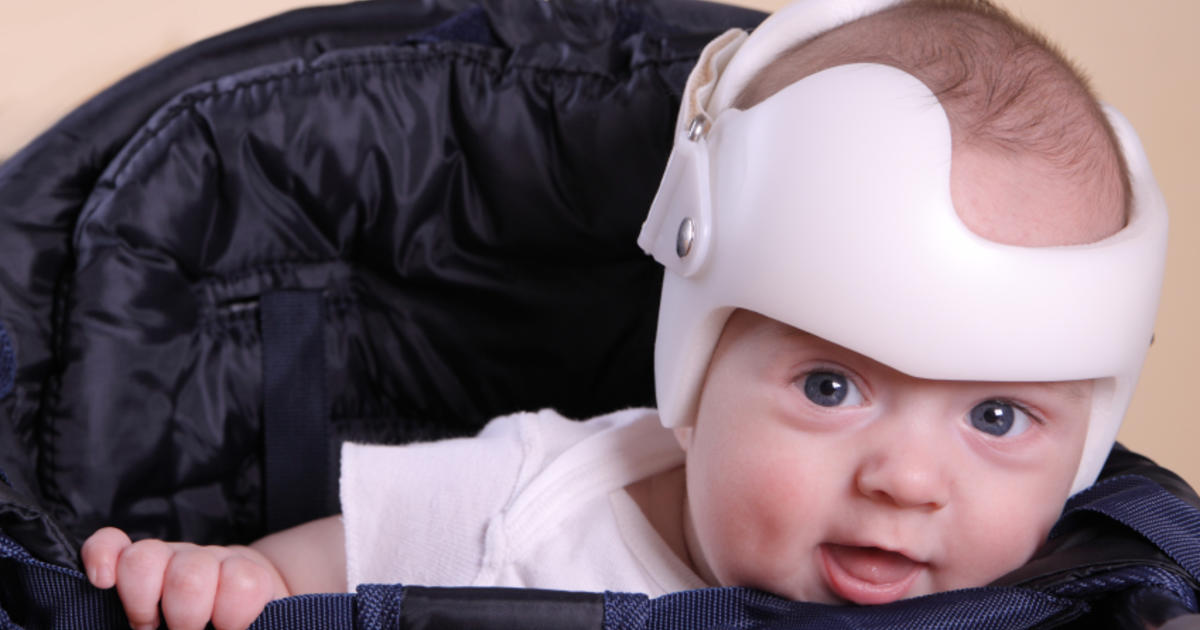
Helmet therapy is a passive, growth-guiding treatment. The helmet has a hard outer shell and soft inner lining. It leaves space over flatter areas and provides gentle pressure where the skull is prominent. As the baby’s brain and skull grow, the helmet shapes that growth.
Benefits include:
- Improved head symmetry over months of wear.
- Less need for surgery in many cases of non-synostotic deformity.
- Protection from minor bumps during active movement.
Limitations are important to know. Helmets do not change underlying cranial sutures if true craniosynostosis (fused sutures) is present. Results vary by age, severity, and how consistently the helmet is worn. Expect visible improvements over 2–6 months, with the biggest gains early in treatment.

Types of helmets and how they’re fitted
There are several helmet systems. Most are custom-made from a 3D scan or cast of the baby’s head. Some common choices:
- Custom cranial remolding helmets — tailored shell and foam interior.
- Off-the-shelf soft helmets — sometimes used short-term for protection or mild asymmetry.
- Post-surgical protective helmets — used after cranial surgery to cushion healing skulls.
Fitting steps usually include:
- Initial exam by a pediatrician or craniofacial specialist to confirm need.
- Head measurements or 3D scan.
- Custom helmet fabrication in a few days to weeks.
- Fitting visit with adjustments and parent education.
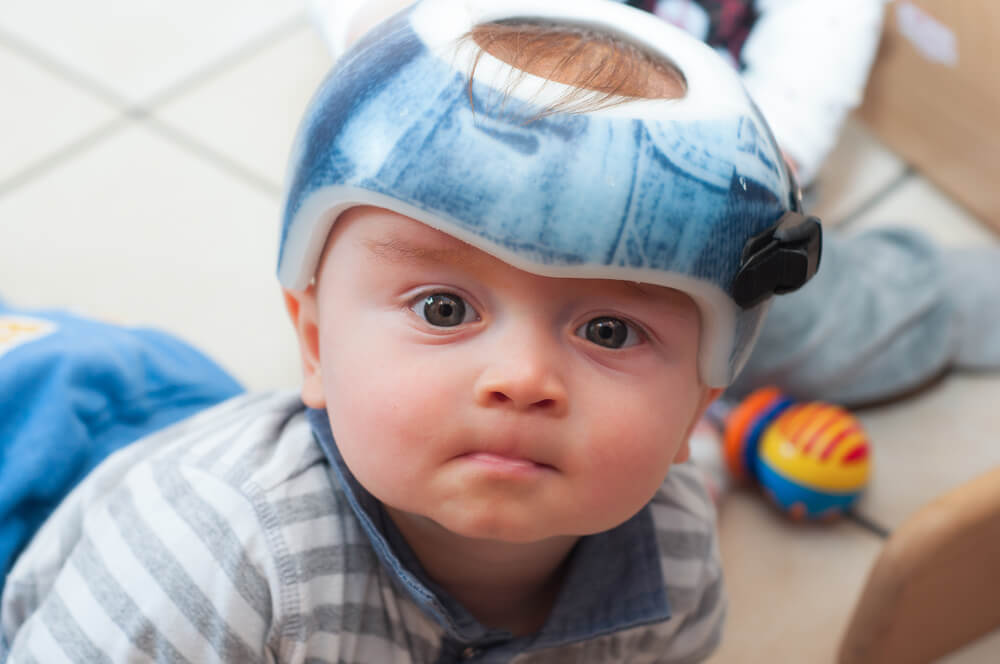
Good fit is essential. A well-fitted helmet has snug but comfortable contact and does not cause skin breakdown. Clinics schedule follow-ups every 2–4 weeks to adjust padding as the baby grows.

When to start, how long to wear, and daily routine
Best time to start helmet therapy is between 4 and 7 months for most infants. Starting earlier can be effective but may require longer wear. After about 12–14 months, skull growth slows and helmet benefits decline.
Typical wear schedule:
- Aim for 20–23 hours per day for prescribed months.
- Remove only for bathing and gentle skin checks.
- Regular follow-ups every few weeks for adjustments.
Daily care tips:
- Check skin under the helmet twice daily for redness.
- Clean the lining as recommended to prevent odor and irritation.
- Keep a routine so the baby wears the helmet consistently.
From my experience, parents who create a simple schedule and watch skin carefully see better comfort and outcomes. Small adjustments to clothing and nap setups help the baby accept the helmet more easily.
Risks, limitations, and when helmets aren’t the answer
Helmets are safe overall, but some risks exist:
- Mild skin irritation or pressure marks that usually resolve with adjustments.
- Initial fussiness as the baby adapts.
- Cost and insurance coverage can be barriers for families.
Situations where helmets may not help:
- True craniosynostosis often needs surgical evaluation first.
- Very mild asymmetry that improves with repositioning and physical therapy.
- Late presentation after skull growth slows.
Be honest about uncertainties. Not every baby needs a helmet. A pediatric specialist can help decide based on measurements, photographs, and growth patterns.
Practical advice for parents — lessons from experience
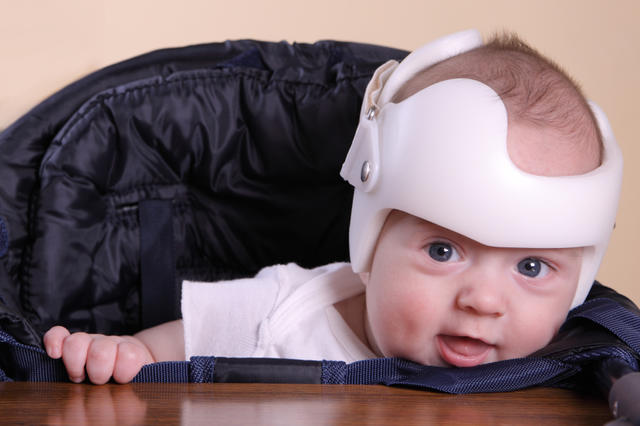
I’ve supported many families through helmet therapy. What helps most:
- Start tummy time early and vary head position to prevent flattening.
- Keep follow-up appointments and document progress with photos every two weeks.
- Dress the baby in loose collars to avoid extra pressure around the neck.
Common mistakes to avoid:
- Waiting too long to seek advice when you notice asymmetry.
- Skipping skin checks; untreated redness can worsen.
- Expecting instant results — change is gradual.
Financial and emotional tips:
- Ask your provider about insurance preauthorization and payment plans.
- Join a support group or connect with other parents online for practical tips.
- Celebrate small milestones—improvements are often subtle week to week.
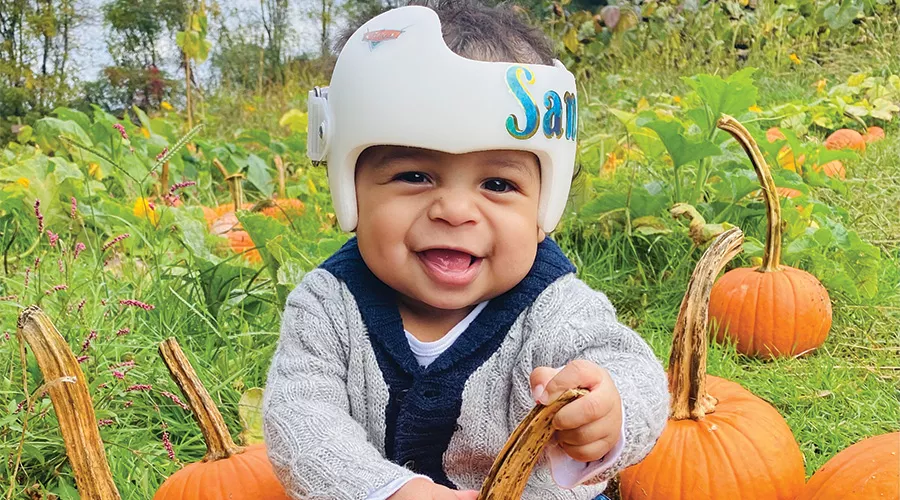
Common concerns answered
Will a helmet hurt my baby?
Helmet fitting can cause initial discomfort. Most babies adapt quickly, and proper adjustments keep the baby comfortable.
Will helmet therapy affect brain growth?
No. Helmets guide skull shape while the brain grows naturally. The helmet does not compress or hinder brain development.
Can repositioning alone fix the problem?
Mild cases often respond well to repositioning and tummy time. Moderate to severe asymmetry may need helmet therapy for best results.
Frequently Asked Questions of why do babies wear helmets
Why do babies wear helmets for flat head?
Babies wear helmets for flat head to gently guide skull growth and correct asymmetry when repositioning alone is not enough.
How long do babies usually wear helmets?
Most babies wear helmets for 2–6 months, with daily wear near 20–23 hours, depending on age and severity.
Are helmets painful for infants?
No, helmets are not designed to be painful. Some babies are fussy at first, but proper fit and follow-up reduce discomfort.
At what age is helmet treatment best?
Helmet treatment is most effective between 4 and 12 months, with earlier starts often shortening total treatment time.
Do helmets prevent developmental delays?
Helmets correct skull shape but do not directly prevent or cause developmental delays. Developmental concerns should be assessed separately.
Does helmet therapy always work?
Helmet therapy helps many infants, especially when started early. Effectiveness depends on severity, age, and compliance.
Will insurance cover helmet therapy?
Coverage varies. Many insurers cover it with medical necessity documentation, but families should verify benefits and preauthorization steps.
Conclusion
Babies wear helmets mainly to correct skull shape and protect developing heads during a key growth window. Assessment by a pediatrician and a craniofacial professional helps decide if helmet therapy is right. With early action, consistent wear, and good follow-up, many families see clear improvement. If you notice head asymmetry, talk to your child’s provider promptly, track progress with photos, and ask about fitting and coverage options. Share your story or questions below, subscribe for updates, or consult a specialist to make an informed plan for your baby.