
Most babies' eyes start changing color between 6 and 12 months, sometimes up to 3 years.
I’ve cared for many newborns and watched families track tiny color shifts over time. I’ll explain exactly when do babies eyes change colors, why it happens, what to expect month by month, and when to seek medical advice. This guide blends hands-on experience, clear science, and practical tips so you can follow your baby’s eye-color journey with confidence.

How baby eye color develops
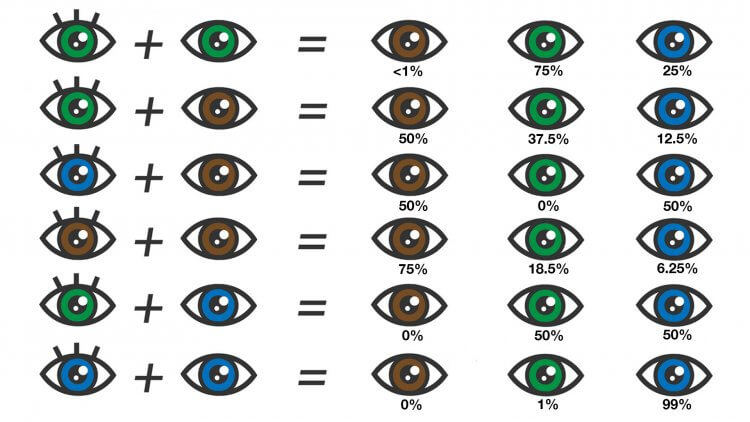
Eye color depends on melanin, a pigment in the iris. Babies are often born with low melanin. That makes many newborns look blue or gray at first. Over weeks and months, melanocytes add pigment. The final shade depends on how much melanin accumulates and how it’s distributed. Genetics set the blueprint, but melanin production after birth changes the look. This is why the key question parents ask is when do babies eyes change colors.

Typical timeline: when do babies eyes change colors
Most color shifts begin in the first few months. Many babies show noticeable change between 6 and 12 months. By 12 months, many eyes have settled into a clearer shade. Some babies continue to change slowly up to 2 or 3 years. Rarely, very subtle changes can appear later in childhood. Premature babies may follow a different schedule because pigment development was interrupted. If you wonder when do babies eyes change colors, think of it as a process, not a single moment.
Factors that influence when do babies eyes change colors
Genetics
- Parents’ genes strongly influence color. Simple genes and many small-effect genes both play a role.
- A family history of dark eyes makes early darkening more likely.
Melanin production
- More melanin equals darker eyes.
- Melanin increases after birth, which causes many changes.
Ethnicity and skin tone
- Babies from some ethnic backgrounds often have more melanin early on.
- This can speed up the timeline for permanent color.
Prematurity and health
- Premature infants may show delayed color change.
- Certain eye conditions can affect pigment, though these are uncommon.
Environmental and technical factors
- Lighting and reflection can change how color looks in photos.
- Staring at a screen image can create illusions of color change.
All these factors answer why and when do babies eyes change colors in different babies.
Signs eyes are still changing versus settled
Still changing
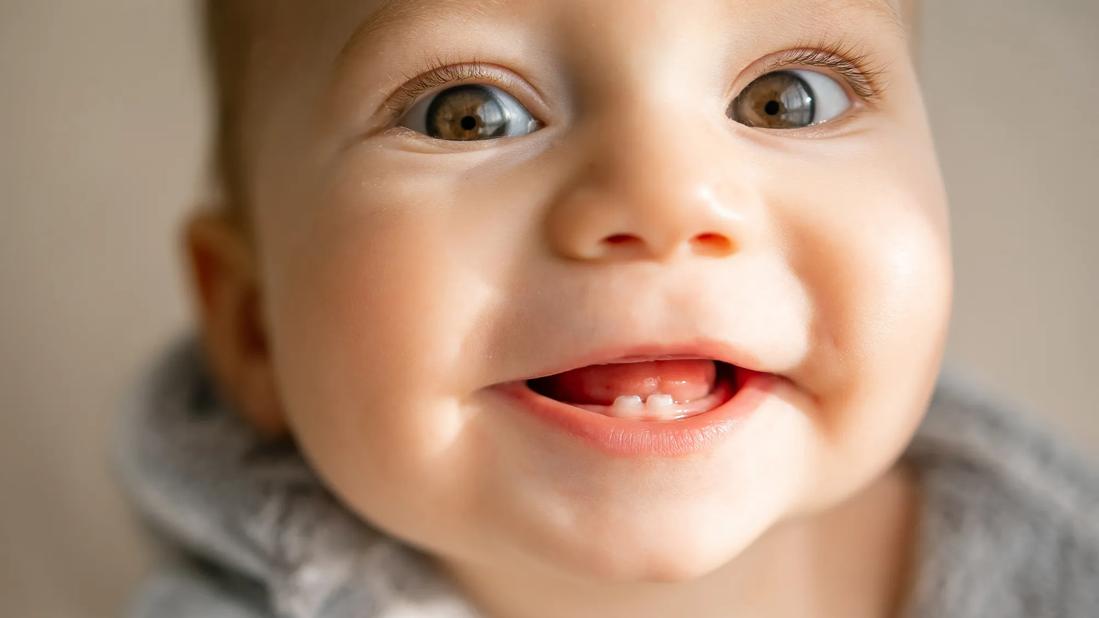
- Color shifts are gradual and symmetric in both eyes.
- You may see patchy areas or subtle darkening over months.
- Photos over time show progressive change.
Likely settled
- Color stays the same for several months in a row.
- No new darkening or patchy changes appear after age 2 to 3.
- Both eyes match in shade and pattern.
Knowing these signs helps answer when do babies eyes change colors for your child.

When to see a doctor about eye color or eye changes
Most color changes are normal. See a pediatrician or pediatric ophthalmologist if:
- One eye is a different color than the other from birth or shows sudden change.
- You notice cloudiness, white spots, or a persistent pupil size difference.
- The baby has unusual light sensitivity, tearing, or visible redness.
Medical review rules out rare conditions that affect the iris or vision. If you worry about when do babies eyes change colors, a quick check can provide reassurance.

Practical tips for parents observing color change
Take clear photos
- Use natural daylight and no flash for consistent images.
- Photograph monthly to spot slow changes.
Track patterns, not one-time looks
- Compare photos side by side.
- Look for gradual darkening rather than one-off shifts.
Avoid over-reading photos
- Camera settings and clothing can change apparent color.
- Trust gradual trends over single pictures.
- Make a small album of the eye journey.
- Share observations with family or your doctor if concerned.
From my experience, a simple monthly photo log removed a lot of stress. It helped me see that small shifts were part of normal change and not a medical problem.

Common myths and facts about eye color change
Myth: All babies with blue eyes will stay blue.
- Fact: Many blue-eyed babies darken as melanin builds up.
Myth: Eye color always predicts hair or skin color.
- Fact: There is some link, but it’s not a reliable predictor.
Myth: Eye color change means a vision problem.
- Fact: Most color shifts are harmless. Concerning signs are different, like cloudiness or drooping.
Myth: You can force eye color to change with light or diet.
- Fact: External actions don’t reliably change iris pigment.
Clearing these myths helps families focus on the real question: when do babies eyes change colors and what is normal.
PAA-style quick questions
Will newborns always have blue eyes?
- Many newborns look blue because melanin is low at birth. But not all babies have blue eyes; some are born with darker shades.
Can eye color continue to change after one year?
- Yes. Many babies show changes between 6 and 12 months, and some continue up to age 2 or 3.
Does eye color affect vision?
- Eye color itself does not determine visual acuity. Vision issues show other signs like misalignment or poor tracking.
Personal experience and practical lessons learned
I’ve watched infants’ eye colors change over time in clinical and home settings. I learned that patience matters. Parents often worry after a single photo. I learned to advise monthly photos in natural light. I also learned to reassure parents that most changes are gradual and harmless. One family I followed saw a baby go from slate blue to warm hazel by 14 months. They were relieved when a simple explanation removed their anxiety. Practical tracking and a doctor visit when worried made the process smooth for them.
Related concepts and deeper science, simply explained
Melanin types and the iris
- Two melanin types matter: eumelanin (darker) and pheomelanin (lighter).
- The balance affects brown, green, hazel, and blue shades.
Structural color and scattering
- Blue eyes often look blue because of light scattering, not blue pigment.
- Tiny structural differences and low melanin create blue or gray tones.
Genetic complexity
- Multiple genes influence eye color. A simple parent-child rule doesn’t always apply.
- That explains surprising cases where two brown-eyed parents have a blue-eyed child.
These points explain why the timing of when do babies eyes change colors varies so much.
How to document change safely and meaningfully
Create a short log
- Note date, baby’s age, lighting, and camera used.
- Keep the same background and clothing when possible.
Use natural light windows
- Morning light is soft and even.
- Avoid strong overhead light that casts shadows.
Backup photos
- Store images in a folder or cloud album for long-term comparison.
Good documentation answers the question when do babies eyes change colors with clear proof.
Frequently Asked Questions of when do babies eyes change colors
When do babies' eyes usually stop changing color?
Most babies’ eyes stabilize by 12 months, but some continue changing up to 3 years. Subtle shifts after age 3 are uncommon.
Can one eye change color and the other not?
Yes, asymmetry can happen. If one eye is a different color or changes suddenly, see a pediatrician to rule out underlying issues.
Do premature babies' eyes change later?
Premature infants can have a delayed timeline because pigment development may continue after birth. Their eye color often follows their adjusted age.
Will eye color predict my child's future hair color?
Eye color gives some clues but is not a certain predictor. Many factors influence hair color separately.
Is there anything I can do to speed up or alter eye color change?
No reliable or safe methods exist to change iris pigment. Natural development and genetics determine the outcome.
When should I worry about changes in eye appearance?
Seek help if you see cloudiness, a white spot in the pupil, different pupil sizes, or signs of pain or vision trouble. These are not normal and need medical assessment.
Conclusion
Most parents can relax and watch the process unfold. When do babies eyes change colors is a gradual, mostly harmless process tied to melanin and genetics. Track changes with simple monthly photos, learn the normal signs, and consult a doctor if you see worrying symptoms. If this guide helped, try a photo log this month and share your baby’s eye story in the comments or subscribe for more child-health insights.