
Introduction
Yes, an umbrella stroller can be a carry-on in the United States if it fits your airline’s carry-on size and weight limits and the airline allows it in the cabin. Many compact umbrella strollers are instead checked at the gate, where staff place them in the aircraft hold and return them after landing.
The key point is that the Transportation Security Administration (TSA) controls airport security, but each airline controls cabin baggage rules. A stroller may pass through TSA screening and still need to be gate-checked because it does not fit in the overhead bin or because the airline does not permit it in the cabin.
Check your airline’s current stroller policy before you travel. Rules can differ by airline, aircraft, airport, and stroller size.
What counts as an umbrella stroller?
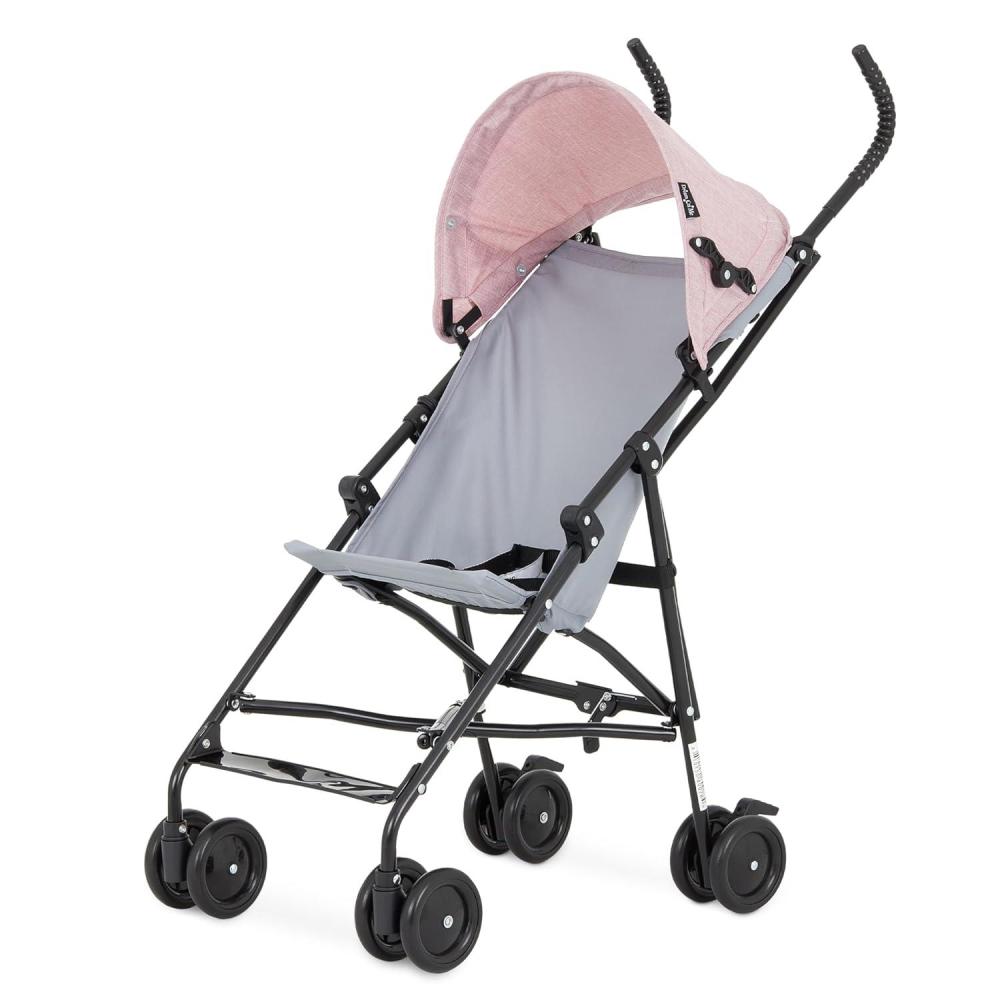
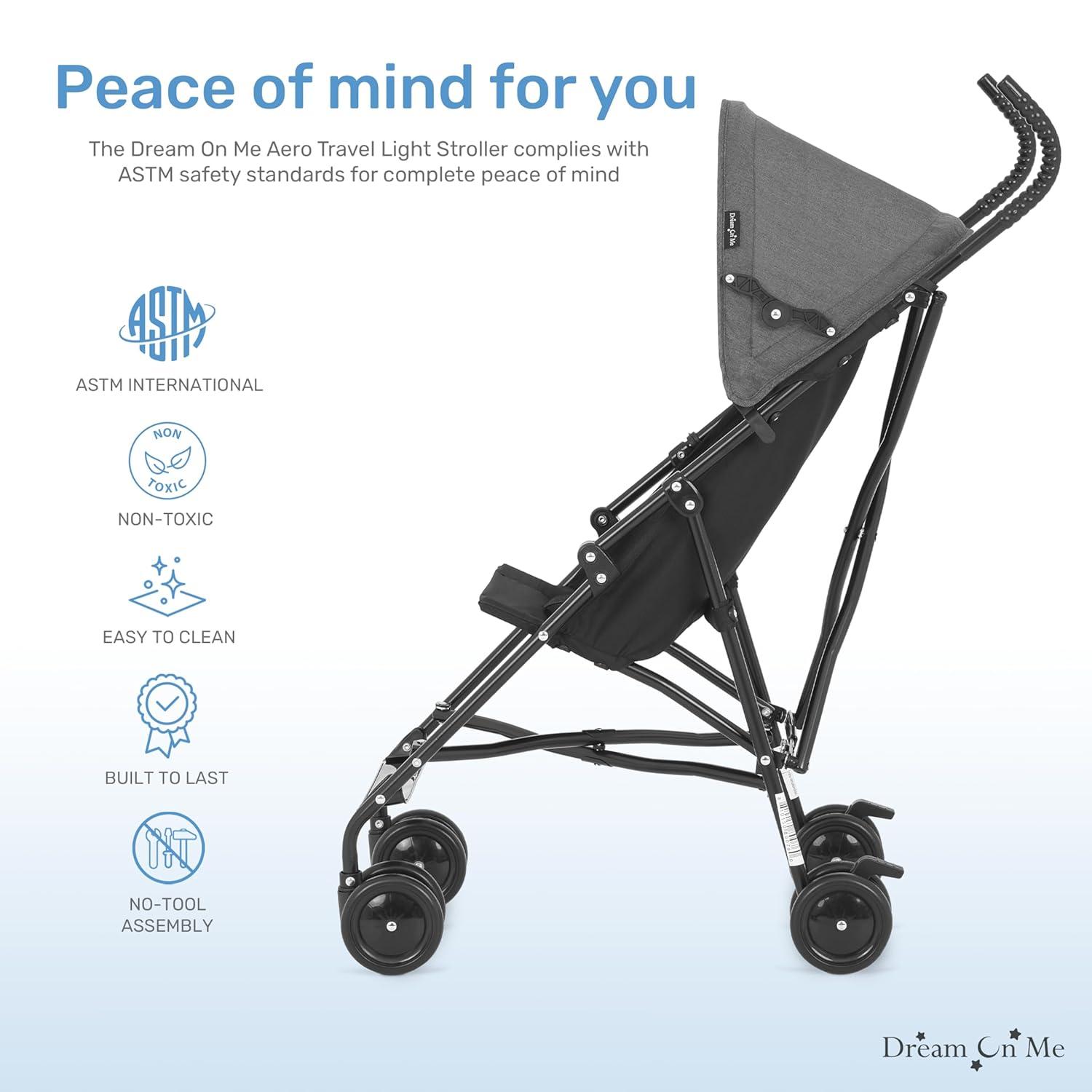
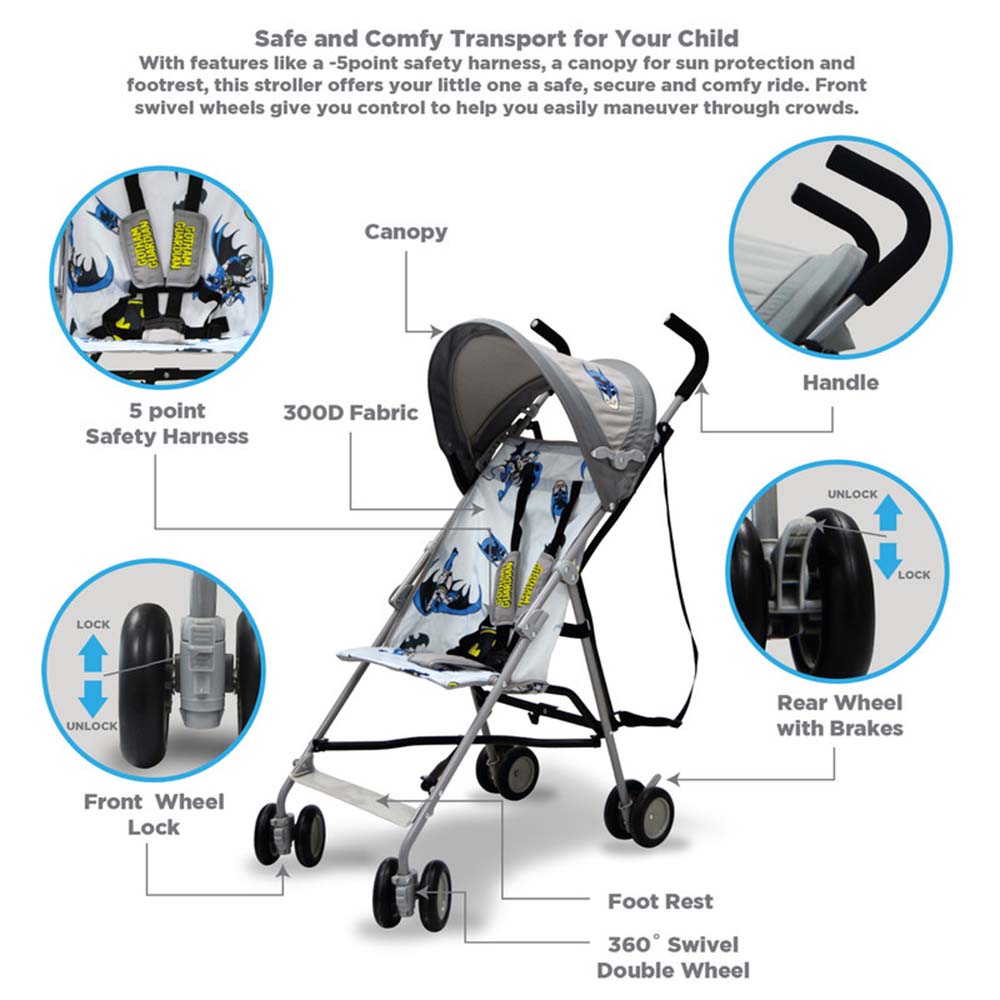
An umbrella stroller is a lightweight, folding stroller with long handles and a narrow frame. It usually folds in half or lengthwise and is designed for short trips, travel, and quick storage.


Most umbrella strollers have:
- A small folding frame
- Two handles or an umbrella-style grip
- Small wheels
- A light seat
- A simple harness
- Limited storage space
- Little or no under-seat basket space
“Umbrella stroller” is not a formal airline category. Airlines usually care about the stroller’s folded size, weight, and handling needs, not its marketing name.
A compact travel stroller may fit the same practical role as an umbrella stroller. However, a larger travel stroller with a seat that reclines, a canopy, or more parts may be too large for the cabin even if the manufacturer calls it a travel stroller.
Can an umbrella stroller go through TSA security?
Yes. TSA generally permits strollers at U.S. airport security checkpoints. You will normally need to remove your child from the stroller and fold it before screening.
TSA may screen the stroller using an X-ray machine, visual inspection, or another approved method. Large strollers may not fit through the X-ray machine. In that case, a TSA officer may inspect the stroller by hand.
TSA’s rules do not mean that the stroller can stay in the aircraft cabin. They only explain how the stroller may pass through the security checkpoint.
Before you reach security:
- Remove toys, bags, cups, and loose items.
- Take your child out of the stroller.
- Fold the stroller if possible.
- Tell the TSA officer if the stroller cannot fold.
- Keep the stroller close until an officer tells you where to place it.
The TSA’s official guidance is available on its Strollers, Car Seats, and Booster Seats page.
When can an umbrella stroller be a carry-on?
An umbrella stroller may be accepted as a carry-on when all of these conditions apply:
- The stroller fits within the airline’s published carry-on dimensions.
- It meets the airline’s weight limit, if one applies.
- It folds fully.
- You can place it in the overhead bin without help.
- It does not block the aisle or emergency exit.
- The aircraft has enough cabin storage space.
- The airline’s staff approve it for cabin storage.
A stroller that fits the airline’s published size limit is not automatically guaranteed a place in the cabin. Overhead bin space is limited. Flight crews may require you to gate-check the stroller if the bins are full or if the stroller cannot be stored safely.


For this reason, treat cabin approval as possible, not guaranteed.
Typical U.S. carry-on size limits
Many U.S. airlines use a carry-on limit close to 22 by 14 by 9 inches, including wheels and handles. Some airlines use different limits. Budget airlines may have smaller limits, especially for the free personal item.
There is no single federal carry-on size rule for every U.S. airline. The airline’s own baggage policy controls.
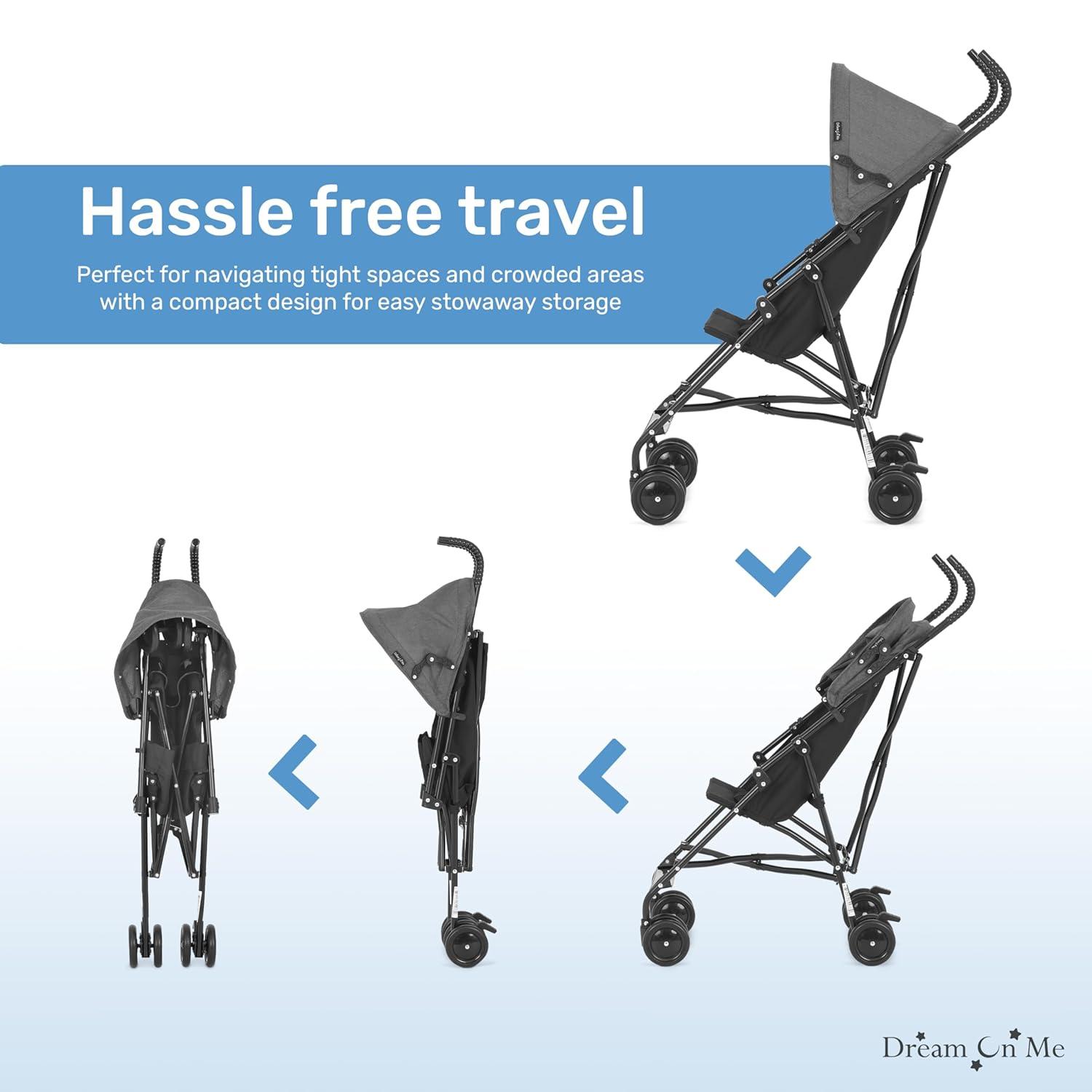
Measure the stroller after folding it. Include:
- Wheels
- Handles
- Canopy
- Bumper bar
- Folded footrest
- Attached cup holder
- Any other part that sticks out
If the stroller is slightly larger than the stated limit, do not assume it will be accepted. A gate agent may measure it or require gate checking.
What is the difference between cabin carry-on, gate check, and ticket-counter check?
These terms describe different parts of the trip.
| Option | Where the stroller travels | When you hand it over | When you usually get it back |
|---|---|---|---|
| Cabin carry-on | Inside the aircraft cabin | You keep it until boarding or cabin storage | During the flight and after landing |
| Gate check | In the aircraft hold | At the gate before boarding | At the jet bridge or baggage claim, depending on the airport |
| Ticket-counter check | In the aircraft hold | At check-in or the baggage counter | At the baggage carousel |
Cabin carry-on is the most convenient option during a connection, but it requires a very small folded stroller and available storage.
Gate checking lets you use the stroller through much of the airport. You usually take the child out before boarding and leave the folded stroller at the aircraft door or another marked location.
Ticket-counter checking means you cannot use the stroller after you hand it over. This may be required for a large, heavy, nonfolding, or damaged stroller.
Airlines do not always return gate-checked strollers at the aircraft door. Some airports return them at baggage claim. Ask the gate agent before boarding if you need the stroller during a connection.
How to check whether your umbrella stroller will be accepted
Use this step-by-step check before leaving home.
1. Find your airline’s stroller policy
Search the airline’s official website for terms such as:
- Stroller
- Baby equipment
- Special items
- Gate check
- Carry-on baggage
- Traveling with children
Read the policy for every airline on your trip. The rules for your return flight may differ if another airline operates it.


2. Measure the folded stroller
Measure the stroller in its travel position. Record the length, width, and height in inches.
Measure it with parts attached if you plan to keep them attached. A cup holder or bumper bar can make the folded stroller too large.
3. Compare the measurements with the airline’s cabin limit
Use the airline’s published carry-on dimensions, not a general internet guideline. If the stroller is larger in one direction, ask the airline whether it may be gate-checked instead.
4. Check the weight
Some airlines set a stroller weight limit for gate checking or require heavier strollers to go to the ticket counter. A heavy stroller may also be difficult to lift into an overhead bin.
5. Confirm the aircraft and route
A stroller that fits on a larger aircraft may not fit on a smaller regional jet. Aircraft type can affect overhead bin space and the gate-check process.
6. Label the stroller
Attach a luggage tag with:
- Your name
- Mobile phone number
- Email address
- Flight number
- Destination
Place a second identification card inside the stroller. Remove loose accessories before handing it over.
7. Ask at check-in and at the gate
Tell the agent that you are traveling with a folding stroller. Ask whether you may take it to the gate and whether it will be returned at the aircraft door after landing.
A “yes” at check-in does not always guarantee cabin storage. The gate agent and flight crew make the final operational decision.
Do airlines let you gate-check an umbrella stroller for free?
Many major U.S. airlines allow passengers to gate-check strollers without charging the standard checked-bag fee. However, the exact policy can vary by airline, stroller size, route, and handling method.
Some airlines allow a stroller to be checked at the ticket counter or gate. Others require large or heavy strollers to go to the ticket counter. Some may count an unusually large stroller as checked baggage.
Examples of official airline guidance include:
- American Airlines: Traveling with children
- Delta Air Lines: Children and infant travel
- Southwest Airlines: Traveling with children
- United Airlines: Traveling with children
Policies can change. Review the airline’s page shortly before departure and save a copy or screenshot of the relevant rule.


Does a stroller count as your carry-on bag?
Not always. Some airlines treat a stroller as a separate child item when it is checked. If you take the stroller into the cabin, the airline may treat it as your carry-on item because it occupies cabin storage.
You may still need to follow the airline’s limit for:
- One carry-on bag
- One personal item
- A diaper bag
- A breast pump
- A child’s bag
Do not assume that a stroller is automatically exempt from the carry-on limit. Ask the airline if you plan to bring both a stroller and a full-size carry-on bag.
Can you put an umbrella stroller in the overhead bin?
You can place an umbrella stroller in the overhead bin only if the airline and crew permit it and the folded stroller fits safely.
Do not force the stroller into a bin. It should not press against the door, block nearby bags, or prevent the bin from closing. A flight attendant may move it or require it to be gate-checked.
The stroller should be:
- Fully folded
- Free of loose items
- Easy to lift
- Small enough for the bin
- Stored without blocking safety equipment
Some aircraft have small overhead bins. Regional jets and crowded flights may have less usable space than the published carry-on limit suggests.
If keeping the stroller in the cabin matters to you, board early when your group is eligible. Even then, overhead space is not guaranteed.
Can you bring an umbrella stroller on an airplane with a lap infant?
Yes, you can usually travel with both a lap infant and a stroller. The stroller does not give the infant a seat.
A child under age 2 may be allowed to travel on an adult’s lap under the airline’s rules. The Federal Aviation Administration, however, recommends using an approved child restraint system for young children during flight when possible. A stroller is not a substitute for an aircraft-approved child restraint.
If you use a car seat on the plane, check that it has the required approval label and fits the aircraft seat. Review the FAA’s guidance on child safety seats on airplanes.
During security screening and boarding, plan for a short period when your child must leave the stroller. A baby carrier can help, but it must also meet TSA screening requirements.
What should you do at the airport?
The easiest plan is to use the stroller through the airport and gate-check it unless the airline has confirmed that it may travel in the cabin.
Follow these steps:
- Check in online if available.
- Ask the ticket agent about the airline’s stroller rule.
- Keep the stroller’s gate-check tag visible.
- Use the stroller through the terminal.
- Remove your child before security screening.
- Reassemble it after security if needed.
- Fold and clear the stroller before boarding.
- Leave it where the gate agent directs you.
- Ask whether it will be returned at the aircraft door.
- Confirm the collection point after landing.


If you have a tight connection, tell the gate agent. You may need the stroller at the jet bridge after landing, but the airport’s process may not allow that.
How can you protect an umbrella stroller when gate-checking it?
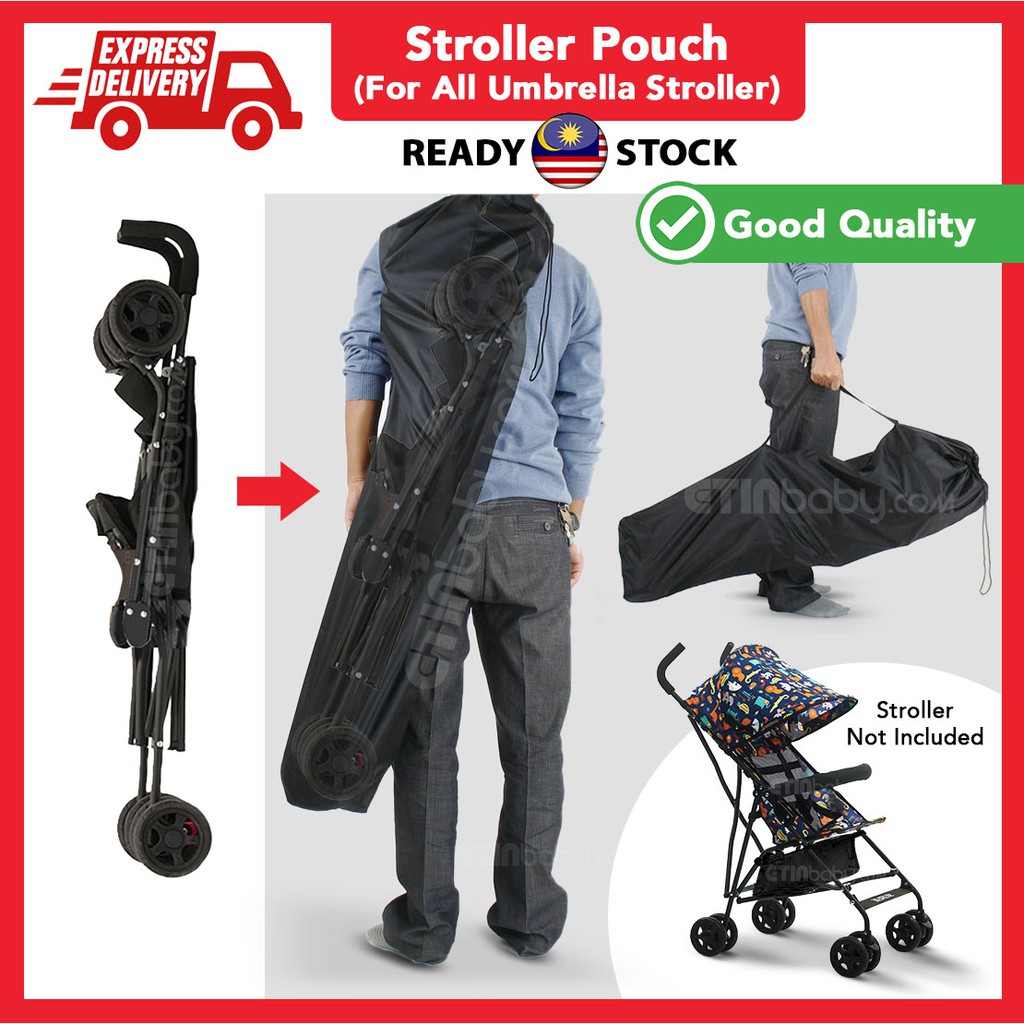
Gate checking exposes the stroller to handling, dirt, and possible damage. A travel bag can reduce scuffs and keep loose parts together, but it does not guarantee protection.
Before handing it over:
- Remove the cup holder and toys.
- Fold and lock the frame.
- Secure loose straps.
- Take a photo of the stroller.
- Note existing scratches or damage.
- Place small removable parts in your carry-on.
- Use a labeled stroller bag if the airline permits one.
Do not leave valuables in the stroller. Avoid attaching bags that can snag during handling.
If the stroller is damaged, report it to the airline before leaving the airport. Take photographs and keep the baggage tag. Follow the airline’s deadline for submitting a claim.

What if the stroller does not fit in the cabin?
If the stroller is too large for cabin storage, gate-checking is usually the practical choice. If the airline will not accept it at the gate, take it to the ticket counter.
For a stroller that is too large, consider:
- A smaller folding stroller
- A stroller travel bag
- A baby carrier for security and boarding
- A car seat that is approved for aircraft use
- A clear plan for airport transfers without the stroller
Do not remove safety parts or alter the stroller just to meet a size limit. A modified frame may fold poorly or become unsafe for your child.
If the stroller is essential for a child with mobility needs, contact the airline before travel. Disability-related equipment can have different handling rules from ordinary child strollers. The U.S. Department of Transportation provides guidance through its Airline Passengers with Disabilities Bill of Rights.
Common mistakes to avoid
Assuming TSA decides cabin approval
TSA decides whether the stroller can pass through security. The airline decides whether it can enter the cabin.
Measuring only the frame
Wheels, handles, canopies, and accessories count toward the folded size.
Leaving items in the stroller
Loose items can fall out or be lost during gate handling. Carry them in your personal item.
Assuming gate check means aircraft-door return
Some airports return strollers at the jet bridge. Others send them to baggage claim. Ask before boarding.
Forgetting the return flight
The operating airline may have different rules from the airline that sold the ticket.
Arriving without extra time
Traveling with a stroller, child, and carry-on bags takes longer at security and boarding. Allow time for folding, screening, and tagging.
Quick decision table
| Your folded stroller situation | Most likely option | What to confirm |
|---|---|---|
| Fits the airline’s carry-on limit and is light | Possible cabin carry-on | Bin space and crew approval |
| Small but no cabin space remains | Gate check | Return location after landing |
| Too large or heavy for gate handling | Ticket-counter check | Fees and baggage claim process |
| Nonfolding or difficult to handle | Ticket-counter check may be required | Airline’s special-item rule |
| Needed for a disability or mobility need | Special handling may apply | Contact the airline in advance |
The safest general plan is simple: bring the stroller to the gate, but prepare for gate checking. Use cabin storage only when the airline and crew allow it.

Key takeaways
- An umbrella stroller may be a carry-on if it fits your airline’s size rules.
- TSA security approval does not guarantee cabin approval.
- Airlines often allow small strollers to be gate-checked, sometimes without a standard checked-bag fee.
- Measure the stroller when fully folded, including wheels and handles.
- Ask whether the stroller will return at the aircraft door or baggage claim.
- Remove loose items and label the stroller before checking it.
- Check every airline on your itinerary because policies differ.
FAQs
Is an umbrella stroller free on a plane?
Many U.S. airlines allow a stroller to be gate-checked without the normal checked-bag fee. This is not universal. Check the operating airline’s current policy, especially if the stroller is large or heavy.
Can I take an umbrella stroller through the airport?
Usually, yes. You can commonly use it in the terminal and take it to the security checkpoint or gate. You must remove your child during screening and follow TSA instructions.
Can I take a stroller and a carry-on bag?
Often, yes, when the stroller is checked at the gate. If you want to store the stroller in the cabin, the airline may count it as your carry-on or require it to fit within the cabin baggage allowance.
Should I gate-check or cabin-carry my stroller?
Gate checking is usually easier for families because you can use the stroller through the airport. Cabin storage may be useful for a very small stroller, but it depends on size, bin space, and crew approval.
Will I get my stroller back at the plane door?
Often, but not always. Airport procedures vary. Ask the gate agent where to collect it after landing, especially when you have a connection.
Conclusion
An umbrella stroller can be a carry-on in the USA, but only when it meets the airline’s cabin baggage rules and there is room to store it safely. A more reliable plan is to use the stroller through the airport and gate-check it.
Before your trip, measure the folded stroller, review each airline’s current policy, remove loose parts, and ask where the stroller will be returned. That small check can prevent a stressful surprise at the gate.
