
Most babies stop using a bassinet when they reach the product’s weight or height limit, begin to roll or push up, or can move into a position that the bassinet is not designed to handle. For many babies, this happens between 3 and 6 months, but development and the bassinet’s manual matter more than age.
Do not wait for a baby to look cramped or reach a specific birthday. Check the manufacturer’s limits and move your baby to a safety-approved crib, bassinet, or play yard as soon as your baby reaches the first stopping point.

The Short Answer: When Should a Baby Stop Sleeping in a Bassinet?
Stop using a bassinet when any one of these conditions occurs:
- Your baby reaches the bassinet’s maximum weight or height.
- Your baby can roll from back to side or from back to stomach.
- Your baby can push up on their hands or knees.
- Your baby can sit up without help, if the manual lists sitting as a stopping point.
- Your baby can pull up, climb, or push against the sides.
- Your baby’s head or body is close to the upper edge.
- The bassinet is damaged, recalled, unstable, or missing parts.
- The product manual says to stop at a certain age or developmental stage.


The safest rule is simple: use the earliest limit that applies. If your baby starts rolling at 3 months but the bassinet allows use up to 20 pounds, stop using it when rolling begins.
Age can help you plan, but it should not be the only test. Some babies outgrow a bassinet at 2 months. Others may fit safely until 5 or 6 months. Always follow the instructions for your exact model.
Why Rolling Changes the Answer
Rolling changes how a baby can move inside the sleep space. A young baby may stay near the position in which you place them. A baby who can roll may turn, push against the sides, or shift into a position the bassinet was not built to manage.
Many bassinets are designed for newborns who cannot sit, pull up, or move much. Their low sides and small sleeping area may not provide enough room or protection once a baby becomes more active.
The American Academy of Pediatrics recommends placing babies on their backs for every sleep on a firm, flat, non-inclined surface. Once a baby can roll both ways, parents should still place the baby on their back at the start of sleep, but they do not need to keep turning the baby back if the baby rolls independently. Remove loose blankets, pillows, bumpers, toys, and other soft items from the sleep space.
A baby who can roll only one way still needs close attention to the bassinet’s manual. Many products require you to stop use as soon as rolling starts, even if your baby cannot yet roll back.
Signs Your Baby Has Outgrown the Bassinet
Look for these signs during the day and at bedtime:
Your baby rolls or tries to roll
Repeated attempts count. Your baby does not need to complete a full roll before you review the product instructions. Signs may include:
- Twisting the hips and shoulders
- Lifting the legs and rocking from side to side
- Turning from the back onto the side
- Pushing against the mattress with the feet
- Reaching or leaning toward the bassinet wall
If the manual says to stop when your baby begins trying to roll, follow that rule.
Your baby pushes up
Stop using a bassinet if your baby can push up on their hands, elbows, or knees in a way that raises the chest or brings the body close to the side. This movement can increase the risk of leaning over, shifting, or climbing out.


Your baby sits or pulls up
Sitting and pulling up are clear signs that a small, low-sided sleep space may no longer be suitable. A baby who can sit or pull up may tip, climb, or fall from a product that once worked well for a newborn.
Your baby reaches the weight or height limit
Find the product label, instruction manual, or official product page. Do not guess the limit based on how sturdy the bassinet feels.
If the bassinet has separate limits, such as a weight limit and a developmental limit, follow whichever comes first. For example, a 15-pound limit applies even if your baby is not yet rolling.
Your baby looks cramped
A baby may still be below the listed weight limit but have little room to move. A cramped sleep space can make it harder to keep the baby flat on their back and may increase contact with the sides.
Do not add padding or use a larger mattress to create more room. The mattress must fit the product exactly and meet the manufacturer’s requirements.

Bassinet Safety Limits: What to Check
The product manual is the best source for the exact stopping point. Bassinets differ in design, and rules for one model may not apply to another.
Check these five areas:
| What to check | Why it matters | What to do |
|---|---|---|
| Weight limit | The frame, base, and mattress support have a tested load limit | Stop before your baby reaches the stated maximum |
| Height or size limit | A taller baby may reach or lean over the sides | Follow the listed height or fit rule |
| Developmental limit | Rolling, sitting, or pushing up changes how the product can be used | Stop at the first listed skill |
| Age limit | Some products set an age range in addition to other limits | Follow the earlier age or skill limit |
| Product condition | Broken or loose parts can make the sleep space unsafe | Stop use and contact the maker |
The U.S. Consumer Product Safety Commission regulates products sold as bassinets and cradles. It also publishes recalls and safety notices. Search the product name and model number at CPSC.gov before using a secondhand bassinet or one that has been stored for a long time.
Look for the model name, model number, manufacture date, and serial number. If you cannot identify the product or find its instructions, use a different sleep space with clear safety information.
What to Use After the Bassinet
After a baby outgrows a bassinet, the usual next step is a full-size crib, mini crib, or play yard approved for infant sleep.
Choose a sleep space with:
- A firm, flat, level mattress
- A fitted sheet made for that mattress
- No gaps between the mattress and the sides
- No pillows, quilts, blankets, stuffed toys, or bumpers
- A stable frame with no broken or missing parts
- Instructions that match the product you own
A crib is not automatically safer because it is larger. Safe sleep depends on the entire setup. A large crib with loose bedding is not safe, while a properly used, approved play yard can be an appropriate option.
Do not place a standard crib mattress inside a play yard, bassinet, or bedside sleeper unless the manufacturer specifically approves it. Do not use a positioner, sleep wedge, aftermarket pad, or extra mattress to make a product feel softer or more comfortable.
Crib, mini crib, or play yard?
These options can all work when used according to their instructions:
- Full-size crib: A long-term sleep space that can serve a child for years.
- Mini crib: A smaller crib that may fit better in a bedroom, but it can be outgrown sooner.
- Play yard: A portable option with a product-specific sleep surface. Use only the mattress and sheet approved by the maker.


The best choice depends on your room, budget, portability needs, and the product’s instructions. The key feature is not the label. It is a firm, flat, clear, and properly fitted sleep surface.

How to Move Your Baby From a Bassinet to a Crib
You do not need to make the change complicated. Start with the safety setup, then help your baby get used to the new space.
1. Set up the new sleep space first
Place the crib, mini crib, or play yard on a stable surface. Install it exactly as the instructions show. Use only the correct mattress and a fitted sheet.
Check that:
- The mattress lies flat.
- The sheet fits tightly.
- The product does not wobble.
- The sides lock in place.
- Nothing is attached to the inside walls.
- The sleep space is away from cords, curtains, and other hazards.
2. Practice during a calm nap
If your baby is still within the bassinet’s safe-use limits, try one nap in the new sleep space. This can make the change feel less sudden.
If your baby has already reached a stopping point, make the switch right away. Safety limits are more important than a gradual transition.
3. Keep the routine the same
Use the same short routine you already use:
- Feed the baby.
- Change the diaper.
- Dim the room.
- Use a sleep sack if appropriate.
- Place the baby on their back in the new sleep space.
Keeping familiar steps can help the new crib feel less strange.
4. Give the baby time to adjust
Some babies sleep well in a crib on the first night. Others need several nights to settle. Brief fussing is common during a change, but do not add unsafe items to make the crib feel more familiar.
A shirt, blanket, pillow, stuffed toy, or padded insert should not be placed in the crib with an infant. Your scent and comfort can come through your routine, voice, and presence instead.
Can a Baby Sleep in a Bassinet Overnight?
Yes, a baby can sleep overnight in a bassinet if the product is approved for sleep, correctly assembled, and still within every use limit.
A bassinet should have a firm, flat, level sleep surface. The baby should be placed on their back for every sleep. Keep the bassinet in the parents’ room, near the adult bed, rather than placing it in the adult bed.
A bedside sleeper is not the same as a bassinet that is attached to or placed on an adult bed. Follow the product’s instructions for attachment, height, barriers, and use. Never leave a gap between the adult mattress and the infant sleep product.
Avoid using a bassinet for sleep if:


- It has an inclined or hammock-style surface.
- The mattress is soft or sagging.
- The sides fold down without the required safety setup.
- The product is damaged.
- It is a recalled model.
- The baby is above the weight, height, age, or developmental limit.
- The product is being used in a car, on a sofa, or on an adult bed unless it is specifically designed and approved for that use.
The AAP advises against routine sleep in sitting devices such as car seats, swings, and bouncers. If a baby falls asleep in one of these products, move the baby to a firm, flat sleep surface as soon as practical.

What If Your Baby Rolls in the Bassinet at Night?
If your baby begins rolling, check the instructions immediately and prepare to stop using the bassinet if the manual requires it. Do not use straps, wedges, rolled towels, or positioners to keep the baby in place unless a qualified clinician gives specific medical instructions.
Continue placing your baby on their back at the start of sleep. Once a baby can roll both ways, you generally do not need to reposition them each time they roll, provided the sleep space is clear and safe.
Swaddling must stop when a baby shows signs of rolling. A swaddled baby may have limited use of the arms and may not be able to move out of an unsafe position. Use a properly sized, non-weighted sleep sack instead, following its instructions.
If your baby rolls into the side of the bassinet and cannot move away, or seems trapped, move the baby to a suitable crib or play yard. Contact the pediatrician if you are unsure whether your baby’s movement is normal or whether a medical condition changes the safe-sleep plan.
Common Bassinet Mistakes to Avoid
Waiting for the bassinet to look too small
A bassinet can seem roomy while still being unsuitable for a baby who rolls or pushes up. Developmental limits often come before the weight limit.
Using pillows or rolled towels
These items do not make a bassinet safer. They can create gaps, cover the baby’s face, or limit movement.
Adding a mattress topper
Use only the mattress supplied or approved by the manufacturer. An extra pad may change the fit and firmness of the sleep surface.
Moving the bassinet to a sofa or adult bed
A bassinet is not a substitute for a safe, separate sleep space in every location. Sofas, recliners, and adult beds have a high risk of suffocation and entrapment for infants.
Relying on an age range alone
“Newborn to 6 months” does not mean every baby can use the bassinet until 6 months. A baby who rolls at 3 months has reached a developmental limit sooner.
Buying a used bassinet without checking it
A secondhand product may be missing parts, have hidden damage, or be subject to a recall. Find the manual and check the CPSC recall database before use.
Using a bassinet for an older sibling
A bassinet is made for infants, not toddlers. Once a child can climb, stand, or deliberately lean over the side, stop using it.
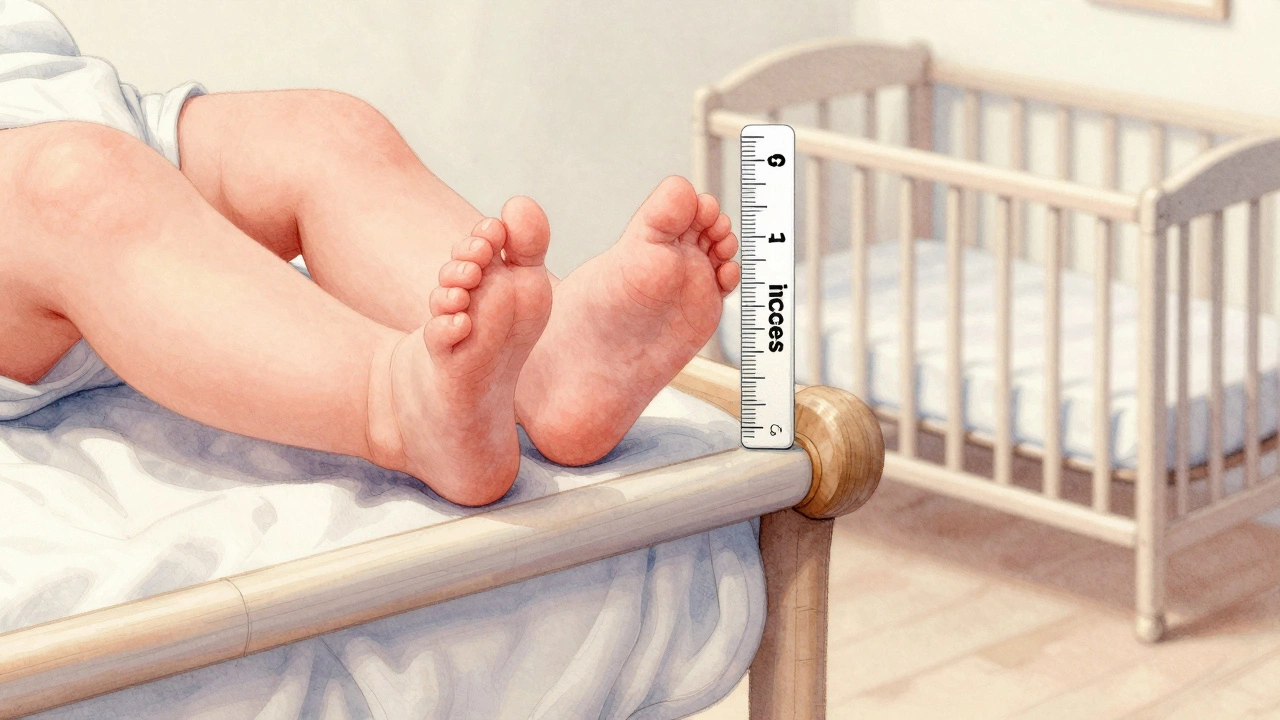
A Simple Bassinet Decision Checklist
Use this checklist before each stage of your baby’s growth:
- Do I know the exact model and manufacturer?
- Have I read the current manual?
- Is the product below its weight and height limits?
- Has my baby started rolling or trying to roll?
- Can my baby push up, sit, or pull up?
- Is the mattress firm, flat, and level?
- Does the fitted sheet fit tightly?
- Is the sleep space free of loose items?
- Have I checked for recalls?
- Is the bassinet stable and undamaged?


If you answer “yes” to a developmental or product-limit question, stop using the bassinet and move your baby to an appropriate crib, mini crib, or play yard.
Frequently Asked Questions
Is 4 months too old for a bassinet?
Not necessarily. A 4-month-old may still fit within a bassinet’s listed limits, but age alone does not decide whether continued use is safe. Stop sooner if the baby rolls, pushes up, reaches a limit, or the manual says to stop.
Can a baby sleep in a bassinet after rolling both ways?
Only if the bassinet’s instructions allow use after rolling. Many bassinets require use to stop when rolling begins. Check the exact manual rather than assuming that rolling both ways makes the product safe.
Should I move my baby to a crib before they outgrow the bassinet?
You can move your baby earlier if you prefer. Some parents make the change before rolling begins so the baby can adjust slowly. The crib must have a firm, flat, clear sleep surface.
Can I use a bassinet if my baby is close to the weight limit?
Follow the manufacturer’s stated limit. If your baby is close to it, plan the move now and stop before the baby exceeds it. Never rely on the bassinet feeling sturdy.
Is a bedside bassinet safe after my baby starts sitting?
Usually, sitting is a reason to stop, but the exact rule depends on the product. A baby who can sit, pull up, or lean over the side may be able to climb or fall. Review the manual and switch to a suitable crib or play yard.
When should I stop swaddling?
Stop swaddling as soon as your baby shows signs of trying to roll. Use an arms-free sleep sack if desired, and make sure it is not weighted and fits according to the product instructions.
The Bottom Line
Stop using a bassinet at the first of these events: your baby reaches the weight, height, age, or developmental limit; your baby starts rolling or pushing up; or the bassinet becomes damaged or recalled.
For many U.S. families, the move happens between 3 and 6 months, but there is no universal age. Read the manual for your exact product, keep the new sleep space firm and clear, and place your baby on their back for every sleep.
Sources and Further Guidance
- American Academy of Pediatrics: Safe Sleep and Sleep-Related Infant Deaths
- HealthyChildren.org: How to Keep Your Sleeping Baby Safe
- U.S. Consumer Product Safety Commission: Recalls
- U.S. Consumer Product Safety Commission: Safe Sleep
Conclusion
A bassinet is meant for the early months, not for a fixed birthday. Your baby’s movement, size, and the product’s instructions should guide the decision.
When your baby begins to roll, push up, sit, climb, or reach a stated limit, make the switch to a safe crib, mini crib, or play yard. A clear sleep space and a timely transition give your baby room to grow while keeping safe sleep at the center.
