
Most babies can breathe through their mouth from birth, but newborns mainly breathe through their nose. During the first few months, babies may struggle to switch to mouth breathing, especially while feeding or sleeping. This is why a stuffy nose can affect eating, sleep, and comfort so quickly.
The phrase “obligate nose breather” is a useful warning, but it is not fully exact. Babies are not physically unable to use their mouths in every situation. They can open-mouth breathe when they cry, become upset, or have a blocked nose. Still, young infants rely heavily on clear nasal breathing and need prompt attention if they show signs of breathing trouble.
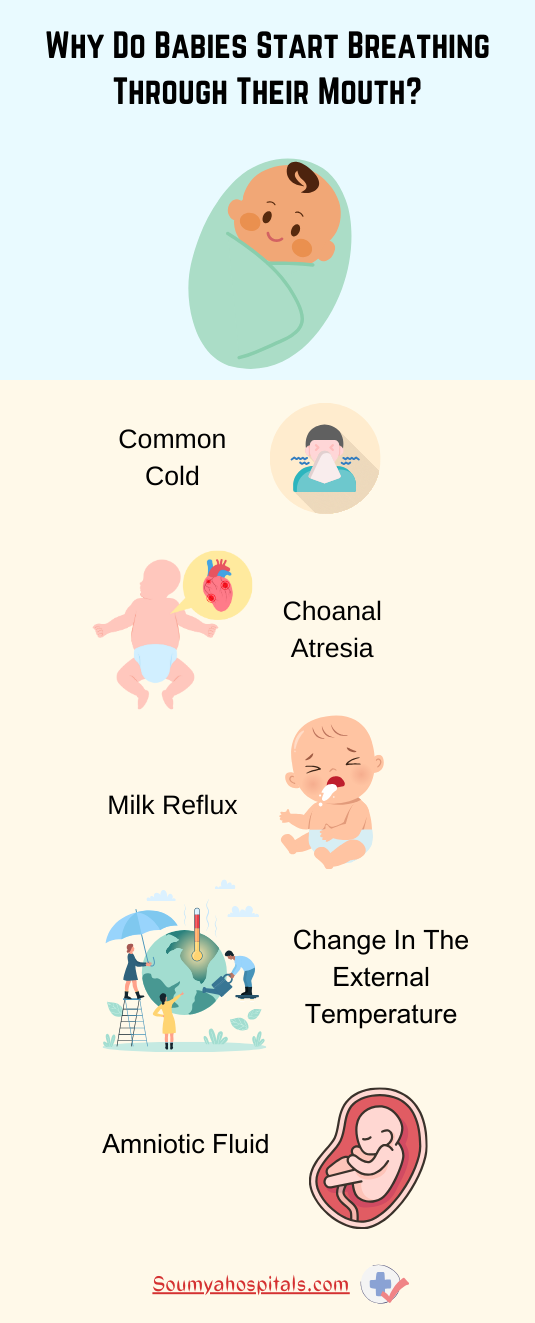
Why do newborns rely so much on nasal breathing?
Newborns have small airways, small nostrils, and a relatively large tongue. Their nose also helps warm, moisten, and filter the air before it reaches the lungs. These features make even mild swelling or mucus feel like a major blockage.


Nasal breathing also supports feeding. A baby usually needs to suck, swallow, and breathe in a steady pattern. Young babies cannot easily pause feeding to take repeated breaths through the mouth.
This is why a baby with a cold may:
- Pull away from the breast or bottle
- Feed for a short time, then stop
- Make snorting or noisy breathing sounds
- Sleep poorly
- Breathe with an open mouth when upset
- Have trouble staying latched
According to the [American Academy of Pediatrics](https://www.healthychildren.org/English/health-issues/conditions/ear-nose-throat/Pages/Nasal-congestion.aspx), nasal congestion can make feeding harder because infants prefer to breathe through the nose while they eat.
The common claim that babies are “obligate nasal breathers” should not lead parents to assume that any mouth breathing is an emergency. A brief open mouth during crying may be normal. Persistent mouth breathing, labored breathing, or color changes are not normal and need medical attention.
When can babies breathe through their mouth?
Babies can use their mouths for breathing from birth, but their ability to rely on mouth breathing is limited. The first months of life are the time when nasal breathing matters most.
Here is a practical age guide:
| Baby’s age | What mouth breathing may mean |
|---|---|
| Newborn to about 3 months | Brief mouth breathing may occur during crying or nasal blockage. Ongoing mouth breathing needs attention. |
| About 3 to 6 months | Babies may manage mouth breathing better, but they still rely strongly on nasal airflow. |
| Around 6 months and older | Mouth breathing is usually more effective, but constant mouth breathing still suggests a possible problem. |
| Any age | Struggling to breathe, blue or gray lips, pauses, or severe chest pulling require urgent care. |
There is no single day when a baby suddenly learns to breathe through the mouth. The change is gradual. Babies develop better control of their mouths, tongues, and airways as they grow.
A baby may breathe through the mouth when:
- Crying
- Yawning
- Laughing
- Very upset
- Temporarily congested
- Recovering from a cold
- Experiencing nasal blockage
A baby should not need to breathe through the mouth all the time. Frequent or constant mouth breathing can occur with congestion, enlarged tissues in the nose or throat, allergies, or other airway concerns.

Is mouth breathing during sleep normal for a baby?
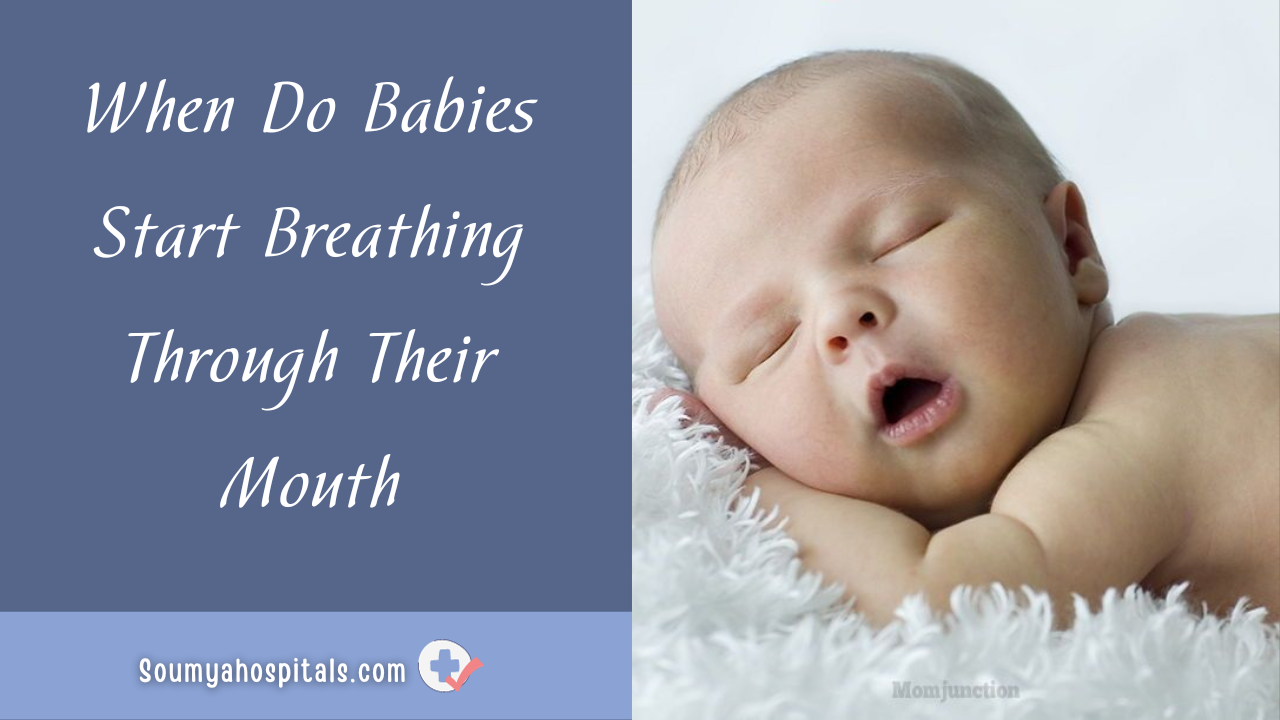
Occasional open-mouth sleep may happen, especially when a baby has a stuffy nose. However, regular mouth breathing during sleep is worth discussing with a pediatrician.


Watch the baby rather than focusing only on the position of the lips. Contact a health care professional if you notice:
- Loud or persistent snoring
- Pauses in breathing
- Gasping, choking, or sudden body movements
- Very restless sleep
- Heavy sweating during sleep
- Repeated waking
- Poor feeding or slow weight gain
- A dry mouth along with ongoing congestion
- Breathing that looks hard or fast
The American Academy of Pediatrics safe sleep guidance recommends placing babies on their backs on a firm, flat, noninclined sleep surface. Do not raise the mattress, use a sleep positioner, or place pillows and rolled towels under a baby to “help” breathing.
A stuffy nose does not make inclined sleep products safe. Babies can slide into a position that blocks the airway. Keep the sleep area free of pillows, loose blankets, bumpers, and soft objects.

How can you help a congested baby breathe?
If your baby has mild congestion but is breathing comfortably, simple care can help keep the nose open.
1. Use plain saline drops
Place a few drops of plain saline in each nostril. Saline loosens thick mucus. Use a product made for infants and follow the package directions.
Do not use medicated nose drops unless a clinician specifically tells you to. Some adult and child decongestants can be unsafe for infants.
2. Suction gently
After saline, use a bulb syringe or infant nasal aspirator to remove mucus near the nostril opening. Gentle suction works best.
Avoid repeated, forceful suction. It can irritate the nasal lining and cause more swelling. If the baby fights the process, stop and try later unless a clinician has told you that suction is medically needed.
3. Clear the nose before feeds
Try saline and gentle suction about 10 to 15 minutes before a feeding. This may give the baby more time to breathe while sucking.
Offer smaller, more frequent feeds if congestion makes long feeds hard. Monitor wet diapers and alertness.
4. Add moisture safely
A cool-mist humidifier may help if the room air is dry. Keep it clean and follow the manufacturer’s cleaning instructions. Dirty humidifiers can spread germs or mold into the air.
Do not use steam burns, hot-water vaporizers near the crib, essential oils, or menthol rubs for a young baby unless a clinician recommends a specific product.
5. Keep sleep safe
Even when congested, place the baby flat on the back for every sleep. Holding the baby upright while awake may provide comfort, but an adult must stay awake and watch the baby. A car seat, swing, or bouncer is not a routine sleep space.
The U.S. Food and Drug Administration advises against giving over-the-counter cough and cold medicines to children younger than 2 years unless directed by a health professional. These products can cause serious side effects in young children.


How can you tell normal mouth breathing from breathing trouble?
The key difference is effort. A baby who briefly opens the mouth while crying may be fine. A baby who works hard to move air needs prompt medical care.
Signs that may be mild
These signs can occur with a simple cold:
- A stuffy or runny nose
- Brief mouth breathing
- Mild snorting
- Normal skin color
- Normal alertness
- Normal feeding after the nose is cleared
Call your pediatrician if symptoms worsen, last longer than expected, or interfere with feeding and sleep.
Signs of respiratory distress
Seek urgent medical help if you see:
- Skin pulling in between or under the ribs
- Nostrils widening with each breath
- Grunting
- Very fast breathing
- Wheezing or harsh, high-pitched breathing
- Pauses in breathing
- Blue, gray, or pale lips or face
- A baby who is difficult to wake
- Inability to feed because of breathing
- Much fewer wet diapers
- Sudden worsening
Call 911 in the United States for severe breathing difficulty, blue or gray color, choking, collapse, or unresponsiveness.
For a baby younger than 3 months, a rectal temperature of 100.4°F (38°C) or higher needs immediate medical advice. The American Academy of Pediatrics recommends prompt evaluation for fever in this age group.
Do not wait to see whether a baby can “learn” to mouth breathe when the baby appears distressed. Infants can become tired quickly when breathing is difficult.
What causes ongoing mouth breathing in babies?
A blocked nose is the most common short-term cause. Colds, dry air, smoke, and irritation can swell the nasal passages.
Longer-lasting mouth breathing may have other causes, including:
- Ongoing nasal congestion
- Allergic irritation
- Enlarged adenoids or other throat tissue
- A narrow nasal passage
- A structural difference present from birth
- Reflux-related irritation in some cases
- Sleep-related airway problems
Parents often notice mouth breathing after a cold. If it continues after the illness improves, schedule a pediatric visit. The clinician may examine the nose, mouth, throat, lungs, growth pattern, and sleep symptoms.
Do not diagnose sleep apnea, allergies, or enlarged adenoids based on mouth breathing alone. The same sign can have several causes, and babies may need an examination to tell them apart.

Can mouth breathing harm a baby?
Short periods of mouth breathing during crying or temporary congestion usually do not cause harm. The concern is persistent mouth breathing or breathing with extra effort.


Long-term mouth breathing can dry the mouth and may signal that the nose or upper airway is not working well. In older children, chronic mouth breathing may affect sleep, oral health, and facial growth. Those effects should not be assumed in a young infant based on a few days of congestion.
A pediatrician should assess a baby who mouth breathes most of the time, snores often, has pauses during sleep, feeds poorly, or does not gain weight as expected.
Never tape a baby’s mouth shut. Do not use mouth strips, chin straps, nasal dilators, or adult breathing aids on an infant. These products can limit the baby’s ability to respond to a blocked nose or airway problem.

When should you call the pediatrician?
Call your pediatrician or the child’s health care provider when:
- Mouth breathing continues after congestion clears
- The baby snores often
- Feeding takes much longer than usual
- The baby stops feeding to catch a breath
- The baby has fewer wet diapers
- Congestion lasts or keeps returning
- The baby has a cough, fever, or worsening symptoms
- You notice pauses, gasps, or noisy breathing during sleep
- You are unsure whether the breathing pattern is normal
Before calling, note when the mouth breathing happens, whether it occurs during sleep, how the baby feeds, and whether the baby has fever. A short video of the breathing pattern can help the clinician, but do not delay emergency care to record one.

Common mistakes to avoid
Assuming every open mouth is dangerous
A baby may open the mouth during crying, yawning, or a brief upset. Look for breathing effort, color, alertness, and feeding ability.
Assuming a baby can always switch to mouth breathing
Young infants may not compensate well when the nose is blocked. A mild cold can become a feeding problem quickly.
Raising the mattress
Inclined sleep is not a safe treatment for congestion. Use a firm, flat, empty sleep surface.
Using adult cold medicine
Cough and cold products can be dangerous for infants. Ask a pediatrician or pharmacist before giving any medicine.
Suctioning too often
Gentle suction can help. Frequent, deep, or forceful suction can irritate the nose and worsen swelling.
Waiting through clear danger signs
Blue color, severe chest pulling, pauses, gasping, or inability to feed are not signs to watch at home. Call 911 in the United States.

Frequently asked questions
Can a newborn breathe through their mouth while sleeping?
A newborn may mouth-breathe briefly, especially with nasal congestion. Regular mouth breathing during sleep is not something to ignore. Check for snoring, pauses, gasping, chest pulling, or poor feeding, and contact the baby’s pediatrician if it continues.
Should I wake my baby if they sleep with their mouth open?
You do not need to wake a comfortable baby for a brief open-mouth position. Check that the baby is on the back on a firm, flat, empty sleep surface and is breathing easily. Wake and seek medical advice if breathing looks difficult or the baby has color changes or pauses.
Can babies breathe through their mouth when their nose is blocked?
They may be able to breathe through the mouth, but young babies often do not switch well enough to maintain comfortable breathing and feeding. Use plain saline and gentle suction for mild congestion. Get urgent help for breathing distress.


Is mouth breathing a sign of a cold?
It can be. A cold may swell the nasal passages and cause a baby to breathe through the mouth. Mouth breathing that lasts after the cold or occurs with snoring, pauses, or poor feeding needs medical review.
Can I use Vicks or another vapor rub on my baby?
Do not use adult vapor rubs on a young baby unless a clinician specifically recommends a safe product and method. Menthol and strong vapors can irritate an infant’s airways. Ask the pediatrician about safer ways to ease congestion.
Key takeaways
- Babies can use their mouths to breathe from birth, but newborns rely heavily on nasal breathing.
- Brief mouth breathing during crying or a stuffy nose can be normal.
- Constant mouth breathing, loud snoring, pauses, or poor feeding should be checked.
- Keep babies flat on their backs for sleep, even when congested.
- Use plain saline and gentle suction for mild nasal blockage.
- Call 911 for severe breathing trouble, blue or gray color, choking, or unresponsiveness.
- A fever of 100.4°F (38°C) or higher in a baby younger than 3 months needs immediate medical advice.
Conclusion
Babies do not suddenly reach one age when they can breathe through the mouth. They can mouth-breathe from birth, but young infants depend on clear nasal passages for steady breathing and feeding. A brief open mouth may be harmless; ongoing mouth breathing or visible effort is a reason to call the pediatrician.
If your baby is struggling to breathe, cannot feed, turns blue or gray, or has pauses in breathing, seek emergency help in the United States by calling 911.
