
Yes, a baby can have seizure-like activity before birth, but true fetal seizures are very rare. They are also hard to confirm because doctors cannot place a routine EEG on a fetus, and many normal fetal movements can look unusual from outside the womb.
If you are pregnant in the United States and notice repeated, jerky movements, a major change in your baby’s usual pattern, or reduced movement, call your obstetrician or labor and delivery unit right away. Do not try to diagnose a fetal seizure at home.

What is a seizure in the womb?
A seizure is a burst of abnormal electrical activity in the brain. After birth, doctors can often look for signs such as stiffening, rhythmic jerking, eye movements, or changes in breathing. They can also use an electroencephalogram, or EEG, to measure brain activity.
Before birth, the situation is different. A fetus may move, stretch, startle, hiccup, or change position. These actions can resemble a seizure but may have no link to abnormal brain activity.


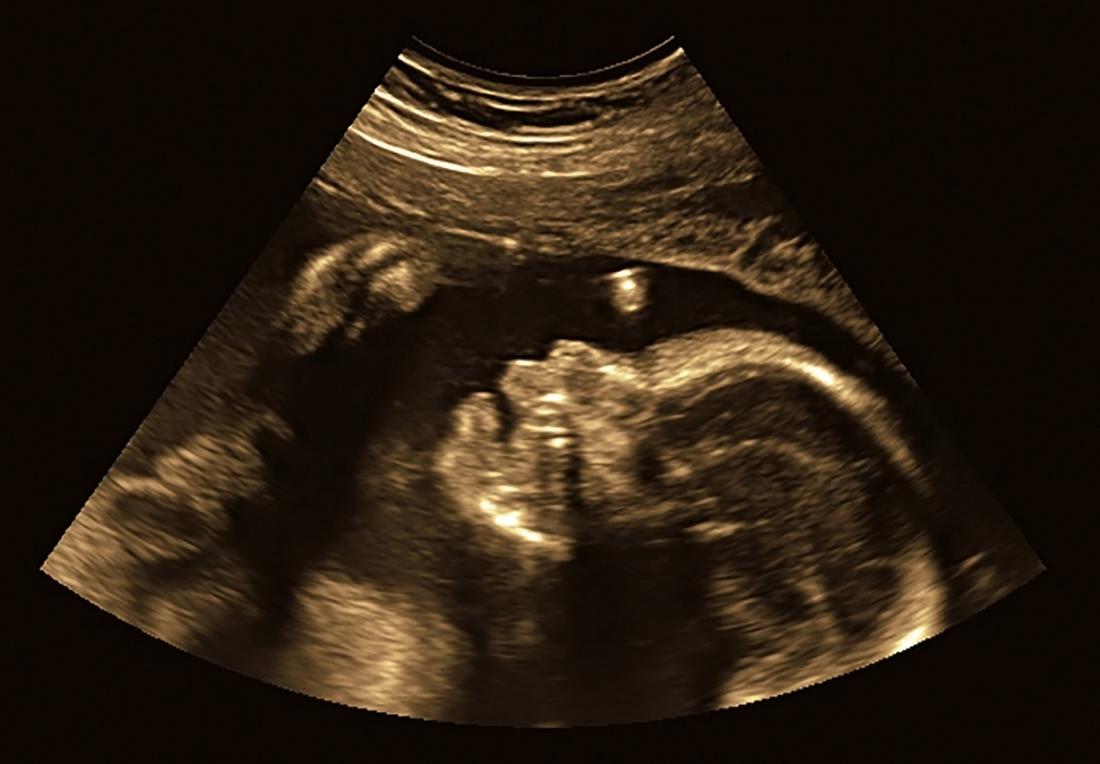
Doctors may use the term fetal seizure when a fetus has repeated, unusual movements that strongly suggest seizure activity. However, an ultrasound cannot directly prove that a seizure is taking place. It shows movement, not the fetus’s brain-wave pattern.
True fetal seizures are uncommon. Most reports come from individual case reports or small groups of patients. In many cases, the unusual movements occur along with another condition, such as a brain difference, infection, genetic disorder, or serious lack of oxygen.
What might fetal seizures look like?
Possible signs include repeated, rhythmic movements that continue in a similar pattern. The movement may involve one part of the body or the whole body. It may also occur with stiffening, an unusual posture, or changes in the baby’s heart rate.
Still, movement alone does not confirm a seizure. Common movements that can be mistaken for seizures include:
- Hiccups
- Normal kicks or stretches
- Startle-like movements
- Repeated movement caused by the baby’s position
- Maternal muscle twitching
- Movement seen more clearly during an ultrasound
- Rhythmic motion from the baby’s heartbeat or blood flow
A key difference is that fetal seizures are usually repetitive and abnormal in appearance, while normal movements often change when the baby shifts position. This is not a reliable home test, though. A medical team must assess the pattern.
If you recorded a concerning movement, you may show the video to your obstetrician. A video can provide useful context, but it should not delay a call for urgent care.
What should you do if you think your baby is having a seizure?
Call your prenatal care team or the labor and delivery unit if your baby has repeated unusual movements. In the United States, many hospitals have a 24-hour labor and delivery triage line for pregnant patients.
Seek urgent help now if the unusual movement occurs with:
- Less movement than usual
- No movement after you normally feel movement
- Vaginal bleeding
- Fluid leaking from the vagina
- Painful or regular contractions
- Severe abdominal pain
- Severe headache, vision changes, or sudden swelling
- Trouble breathing, fainting, or chest pain
If you cannot reach your maternity team and the symptoms are severe, call 911.


Do not drink something cold, press hard on your abdomen, or wait for a movement pattern to “prove” a seizure. A home fetal Doppler also cannot diagnose a seizure. It may detect a heartbeat, but it does not show brain activity or confirm that the baby is well.

How do doctors check for seizures before birth?
Doctors begin with the mother’s history and a detailed ultrasound. They may ask when the movement began, how long it lasted, whether it repeated, and whether the baby’s usual movement pattern has changed.
The evaluation may include:
Ultrasound
A targeted ultrasound can assess:
- Fetal movement and muscle tone
- Brain structure
- Growth
- Amniotic fluid
- Placenta
- Blood flow
- Signs of infection or other abnormalities
The ultrasound may show movement that raises concern, but it cannot confirm abnormal electrical activity in the fetal brain.
Fetal heart-rate monitoring
Later in pregnancy, clinicians may monitor the fetal heart rate. This can help assess the baby’s current condition and response to movement or stress. It does not diagnose a seizure by itself.
Fetal MRI
A fetal MRI may help doctors view the brain in more detail when an ultrasound suggests a possible brain abnormality. MRI does not directly record fetal brain waves, but it can help identify conditions linked with seizure risk.
The American College of Obstetricians and Gynecologists states that MRI may be considered when it can answer an important clinical question that ultrasound cannot answer. The medical team weighs the possible benefit, timing, and local expertise.
Maternal and fetal blood tests
Depending on the situation, doctors may test for infections, genetic conditions, or other maternal or fetal concerns. These tests are not automatic for every unusual movement. The choice depends on the ultrasound findings, pregnancy history, symptoms, and gestational age.
Specialist consultation
A maternal-fetal medicine specialist may work with a pediatric neurologist, neonatologist, genetic counselor, or infectious disease specialist. A planned evaluation is especially useful when unusual movements happen more than once or when imaging shows a possible brain difference.
There is no routine prenatal test that works like a newborn EEG. This is one reason fetal seizure diagnosis remains difficult.
What can cause seizures before birth?
A fetal seizure may have more than one possible cause. In some cases, doctors never find a clear cause before delivery.
Possible causes include:
- Brain malformations
- Genetic or chromosomal conditions
- Congenital infections
- Bleeding in or around the fetal brain
- Severe problems with oxygen or blood flow
- Metabolic disorders
- Rare medication or substance exposures
- Problems affecting the placenta or umbilical cord
These causes are possibilities, not a diagnosis. Seeing unusual movement does not mean that your baby has brain damage or a genetic condition.
A mother’s epilepsy does not usually mean that the fetus is having seizures. A seizure in the pregnant person and a seizure in the fetus are separate events. However, a prolonged maternal seizure, severe injury, breathing problems, or certain medicines may affect pregnancy care.
Anyone with epilepsy should review medication and seizure plans with an obstetrician and neurologist rather than stopping medicine suddenly.


Can a baby have a seizure during labor?
A baby can have a seizure during labor or shortly after birth, but this is different from proving that a seizure occurred in the womb.
During labor, the medical team watches the fetal heart rate for signs of possible stress. An abnormal heart-rate pattern does not automatically mean a seizure. It may reflect contractions, medication, changes in blood flow, infection, or other conditions.
If a newborn has repeated jerking, stiffening, unusual eye movements, pauses in breathing, or poor responsiveness, the newborn team may evaluate the baby for seizures. Doctors may use continuous EEG or a related brain-monitoring test after birth. This is much more direct than observing fetal movement through ultrasound.
Some newborn movements are not seizures. For example, jitteriness may stop when the limb is held, while many seizures continue despite gentle restraint. Only a trained clinician can tell the difference safely.
What happens if doctors suspect fetal seizures?
Care depends on the cause, the baby’s condition, and how far along the pregnancy is. There is no single treatment plan for every suspected fetal seizure.
The care team may:
- Repeat imaging or monitoring to confirm the pattern.
- Look for an underlying cause, such as infection, brain malformation, or genetic disease.
- Check the mother and placenta-related risks when the baby may have reduced oxygen or blood flow.
- Arrange specialist consultations with maternal-fetal medicine and neonatal experts.
- Plan delivery and newborn care if the baby may need immediate testing or treatment after birth.
Anti-seizure medicine is not routinely given to the pregnant person just because fetal movement looks unusual. Treatment decisions require a confirmed or strongly suspected diagnosis and a careful review of risks and benefits.
In some situations, the safest plan is continued monitoring. In others, the team may recommend delivery because of fetal distress, infection, growth problems, or another pregnancy complication. Delivery is not automatically required for suspected fetal seizures.
The goal is to protect both the pregnant person and the baby while avoiding treatment or early delivery that does not offer a clear benefit.
How are fetal seizures different from normal movement?
The pattern matters, but no pattern can confirm a seizure at home.
| Movement or sign | What it may mean | What to do |
|---|---|---|
| Brief kicks that vary in strength and location | Normal fetal movement | Continue normal prenatal care |
| Small rhythmic jumps that stop and return | Hiccups or another normal movement | Mention it if it is new or concerning |
| Repeated, unusual jerking in the same pattern | Could be abnormal movement, but not proof of a seizure | Call your prenatal care team |
| A clear drop in the baby’s usual movement | Possible fetal compromise or another concern | Contact labor and delivery promptly |
| No movement when movement is normally expected | Needs urgent assessment | Follow your care team’s instructions immediately |
Fetal movement also changes with gestational age, the baby’s position, the placenta’s location, and the time of day. A person may feel fewer movements when the placenta is at the front of the uterus, for example. That does not make a sudden change safe to ignore.
Your care team may give you a specific fetal movement plan. Follow that plan rather than using a general internet rule. If you are unsure whether the change is significant, call. It is appropriate to ask for assessment.
What questions should you ask your doctor?
Useful questions include:
- Could this movement be normal fetal movement or hiccups?
- Does the pattern need a targeted ultrasound?
- Does the baby’s brain look typical for this stage of pregnancy?
- Should a maternal-fetal medicine specialist see me?
- Are infection, genetic, or blood-flow tests needed?
- Do I need fetal heart-rate monitoring?
- What symptoms mean I should go directly to labor and delivery?
- If the movement continues after birth, what tests will the newborn need?


Write down when the movement happened, how long it lasted, and whether it repeated. If possible, record it without delaying medical care. Also note changes in the baby’s usual movement pattern and any symptoms such as bleeding, fluid loss, pain, fever, or contractions.

Frequently asked questions
Can a baby have seizures without the mother feeling them?
Yes. A fetus may have abnormal activity that the pregnant person does not feel. The baby’s position, the placenta’s location, the strength of the movement, and gestational age all affect what can be felt.
Can fetal hiccups be mistaken for seizures?
Yes. Fetal hiccups can feel like steady, repeated taps in one area. They are usually harmless, but a new or unusual movement pattern should still be discussed with a prenatal clinician if it worries you.
Does a fetal seizure mean the baby will have epilepsy?
No. A suspected fetal seizure does not automatically mean the baby will develop epilepsy. The long-term outlook depends on the cause, brain development, genetic findings, infection, oxygen status, and the baby’s condition after birth.
Can a mother’s seizure cause the baby to have a seizure?
Not directly. Maternal and fetal seizures are separate events. A severe maternal seizure can create risks through injury, breathing problems, changes in oxygen, or other complications, so emergency treatment is important.
Can doctors treat seizures before the baby is born?
Sometimes doctors treat the underlying pregnancy or fetal condition, but there is no standard treatment for every suspected fetal seizure. Medication, monitoring, and delivery planning depend on the diagnosis and the risks to both patients.
Key takeaways
- True seizures in the womb are possible but very rare.
- Many fetal movements that look like seizures are normal movement or hiccups.
- Ultrasound can show movement but cannot directly confirm fetal brain-wave activity.
- Repeated unusual movement or reduced fetal movement deserves prompt medical advice.
- A maternal-fetal medicine specialist may coordinate testing with pediatric neurology and neonatology.
- Do not stop prescribed medicines or wait for a home test to confirm what is happening.
Conclusion
A baby can have seizure-like activity before birth, but doctors need careful evaluation to tell it apart from normal fetal movement. The right next step is to contact your obstetrician or labor and delivery unit, especially if the pattern is new, repeated, or linked with reduced movement or other warning signs.
Prompt assessment does not mean that a serious problem is present. It gives the medical team the best chance to check the baby, find a cause when possible, and plan safe care during pregnancy and after birth.
