
Introduction
A baby costs about $300 to $1,500 per month in the United States before child care. With full-time infant care, the total often rises to $1,500 to $4,000 or more per month.
The largest costs are usually:
- Child care
- Health insurance and medical care
- Formula or breast-pump supplies
- Diapers and wipes
- clothing
- Baby gear and household items
Your total will depend on where you live, whether you use paid child care, your insurance plan, and whether you breastfeed, use formula, or combine both. The figures below are planning estimates, not fixed national prices.
The Average Monthly Cost of a Baby
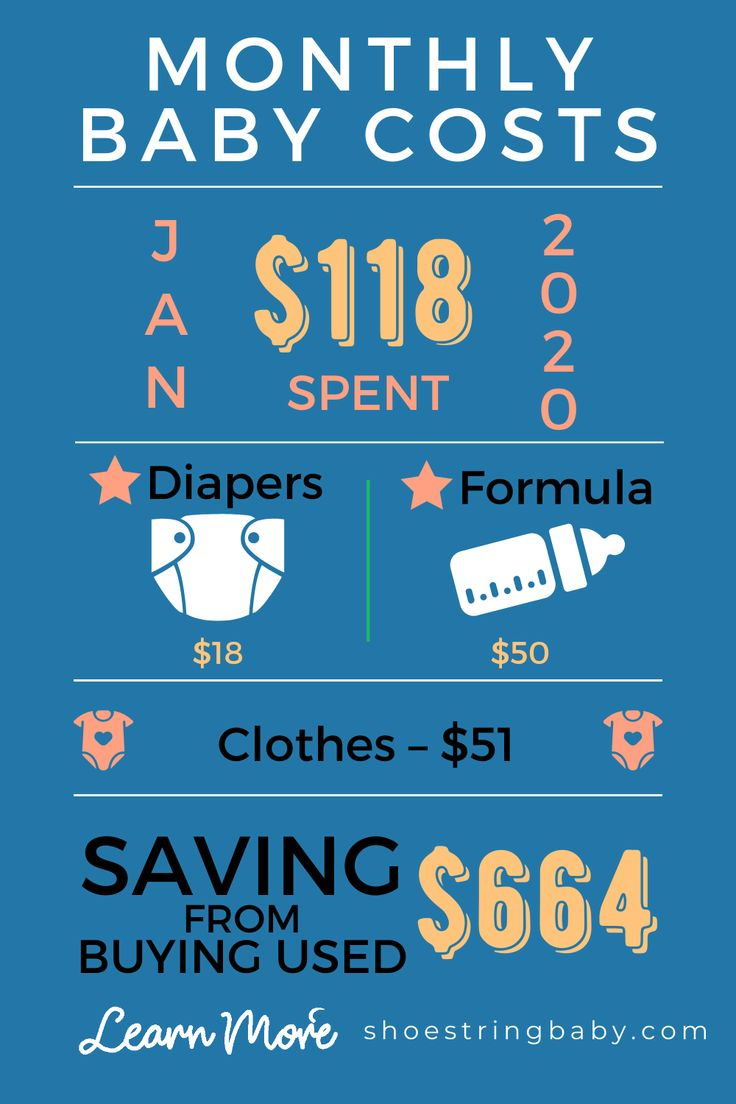
A practical U.S. budget for a baby is shown below. It separates costs that most families face from costs that depend on their choices.


| Expense | Typical monthly range | What changes the cost |
|---|---|---|
| Diapers and wipes | $70–$150 | Brand, diaper size, coupons, cloth diapers |
| Feeding | $0–$300 | Breastfeeding, formula, bottles, pumping |
| Baby clothing | $30–$100 | New or secondhand clothes, season, growth |
| Health care | $50–$500+ | Insurance premium, copays, prescriptions |
| Baby gear and supplies | $50–$250 | New purchases, replacements, size of setup |
| Laundry and household costs | $20–$75 | Extra washing, detergent, water, power |
| Child care | $0–$2,500+ | State, provider type, hours, family help |
| Estimated total | $300–$4,000+ | Mainly driven by child care and health costs |
Without paid child care, many families spend $500 to $1,200 per month on regular baby expenses. A family paying for full-time infant care may spend $1,500 to $4,000 or more.
The U.S. Department of Agriculture’s child expenditure research also shows why one national number can mislead: family spending varies greatly by income, household size, location, and child-care needs. Its reports are useful for broad planning, but they do not provide a bill for every family.

What Baby Expenses Cost Each Month
Diapers and wipes: $70 to $150
Disposable diapers and wipes often cost $70 to $150 per month during the first year.
Newborns may use more diapers each day than older babies. A simple planning method is:
- Estimate 8 to 12 diapers per day for a newborn.
- Multiply by about 30 days.
- Add wipes, diaper cream, and occasional overnight or swim diapers.
- Compare the result with local store and online prices.
Cloth diapers may lower the long-term diaper cost, but they still require an upfront purchase, washing, detergent, storage, and replacement parts. They are not automatically cheaper for every household.
Formula and feeding: $0 to $300 or more
Feeding costs range widely.
A baby who breastfeeds may still need bottles, pump parts, storage bags, nursing supplies, and replacement valves. Insurance coverage for breast pumps varies by plan and may not cover every accessory.
Formula can add roughly $100 to $300 or more per month, depending on the type, brand, amount used, and whether the baby needs a specialty formula. Some medical formulas cost much more.
Do not dilute formula or prepare it in a way that differs from the label. The FDA provides guidance on safe infant formula preparation and storage.
Clothing: $30 to $100
Babies grow fast, so clothing can become a quiet but steady expense. A modest budget may cover:


- Bodysuits and sleepers
- Socks and hats
- Seasonal clothing
- Outerwear
- Laundry detergent
- Occasional replacements for stains or wear
Buying secondhand clothing can reduce this cost. Avoid used car seats, however. The National Highway Traffic Safety Administration recommends checking a car seat’s history, expiration date, recalls, and crash involvement before use.
Health insurance and medical care: $50 to $500 or more
Health costs depend more on your insurance than on the baby’s age.
Possible costs include:
- Adding the baby to a health plan
- Monthly premium increases
- Deductibles
- Copays
- Prescription medicine
- Specialist visits
- Emergency care
- Dental care later in infancy
Ask your insurer how to add a newborn. Many plans require enrollment within a set period after birth. The baby may be covered from the birth date if enrollment is completed on time, but the exact rule depends on the plan.
Review the plan’s deductible, out-of-pocket limit, network, and newborn coverage. A low monthly premium can still lead to high costs if the baby needs frequent care.
Baby gear and supplies: $50 to $250
Baby gear is often a large one-time cost, but families may continue to buy supplies each month.
Common items include:
- Bottles and nipples
- Pacifiers
- Crib sheets
- Sleep sacks
- Baby toiletries
- Thermometers
- Swaddles
- Stroller accessories
- Replacement pump parts
- Toys and books
You do not need every item marketed for babies. Focus first on safe sleep, feeding, transport, clothing, diapers, and basic health supplies. The American Academy of Pediatrics safe-sleep guidance recommends a firm, flat sleep surface without loose bedding, pillows, or soft objects.
Child care: $0 to $2,500 or more
Child care is usually the biggest monthly variable.
Possible arrangements include:
- Parent care
- Family or friend care
- In-home care
- Family child-care homes
- Day-care centers
- Nannies
- Part-time care
- A mix of paid care and unpaid help
The Child Care Aware of America annual reports document large differences in child-care prices across states and provider types. Infant care is often more expensive than care for older children because infants need closer supervision and lower child-to-adult ratios.
When comparing providers, ask about:
- Registration fees
- Deposits
- Holiday charges
- Late-pickup fees
- Food and diaper policies
- Required supplies
- Part-time availability
- Annual price increases
- Backup care when the provider is closed
The advertised weekly rate may not be the full cost.


Three Example Monthly Baby Budgets
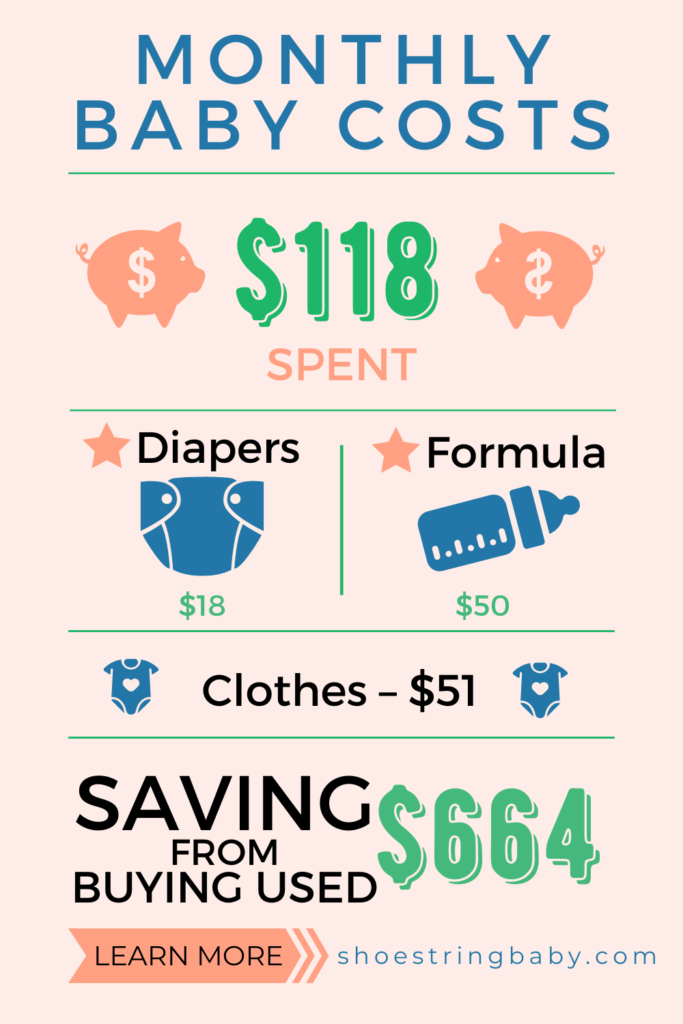
The examples below are hypothetical planning models. They show how the same baby can cost very different amounts depending on child care and health expenses.
Budget 1: Parent or family provides care
| Category | Monthly estimate |
|---|---|
| Diapers and wipes | $100 |
| Feeding | $75 |
| Clothing | $50 |
| Health costs | $150 |
| Supplies and gear | $100 |
| Household costs | $40 |
| Total | $515 |
This budget assumes no paid child care and moderate feeding costs. It does not include lost income when a parent leaves work.
Budget 2: Part-time paid care
| Category | Monthly estimate |
|---|---|
| Diapers and wipes | $100 |
| Feeding | $150 |
| Clothing | $60 |
| Health costs | $200 |
| Supplies and gear | $125 |
| Household costs | $50 |
| Part-time child care | $900 |
| Total | $1,585 |
Part-time care may not cost half as much as full-time care. Some providers charge a fixed enrollment rate even when a child attends fewer days.
Budget 3: Full-time center-based care
| Category | Monthly estimate |
|---|---|
| Diapers and wipes | $120 |
| Feeding | $200 |
| Clothing | $75 |
| Health costs | $250 |
| Supplies and gear | $150 |
| Household costs | $60 |
| Full-time child care | $1,800 |
| Total | $2,655 |
In a high-cost city, full-time infant care may push this total above $3,500 per month. In a lower-cost area, family care or a lower-cost provider may keep the total below that amount.

One-Time Baby Costs to Plan For
Monthly costs are only part of the budget. Many families also face one-time or occasional expenses before and after birth.
| One-time expense | Common planning range |
|---|---|
| Crib or bassinet | $100–$500 |
| Car seat | $100–$500 |
| Stroller | $100–$1,000+ |
| Baby carrier | $30–$250 |
| High chair | $50–$300 |
| Breast pump and supplies | $0–$500+ |
| Initial clothing and linens | $100–$500 |
| Diaper bag and basic supplies | $50–$250 |
| Child-care deposit or registration | $100–$1,000+ |
These ranges include both low-cost and premium purchases. A safe setup does not require the most expensive version of every product.
Medical bills related to pregnancy and birth are separate from the normal monthly baby budget. Check your health plan before delivery and ask about:
- Prenatal care
- Hospital charges
- Anesthesia
- Newborn care
- Deductibles
- Coinsurance
- Out-of-pocket limits
- In-network hospitals and doctors
How to Calculate Your Own Monthly Baby Cost
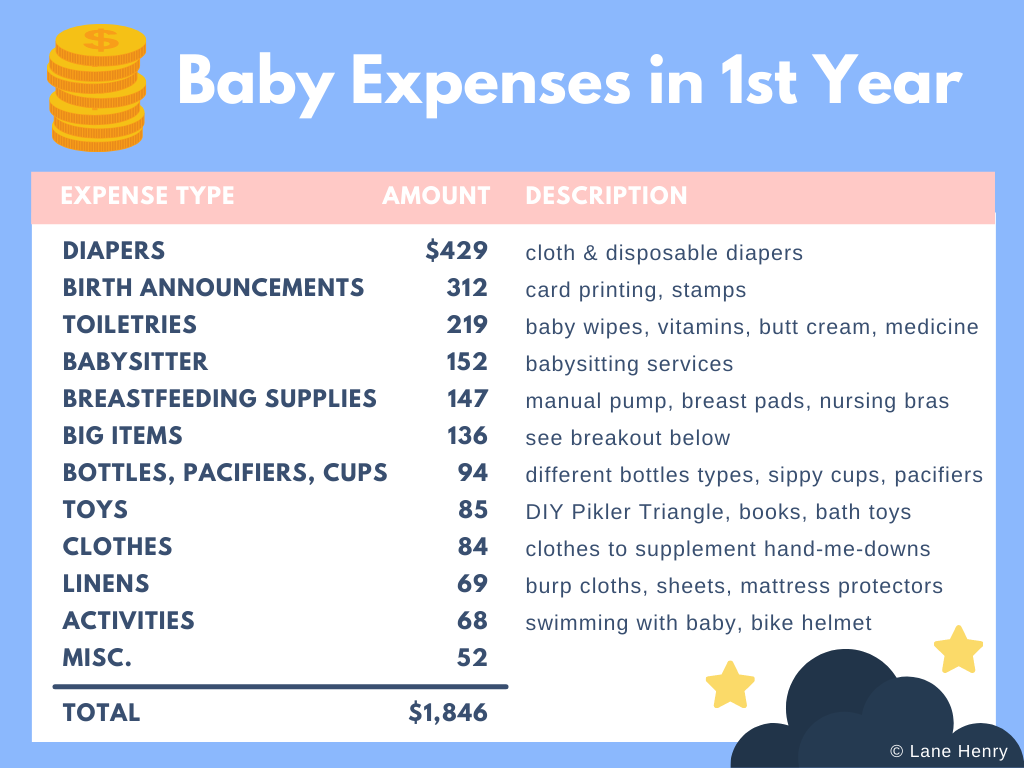
A personal estimate is more useful than a national average. Use this five-step method.
1. Start with your current budget
List your present monthly income and expenses. Include rent or mortgage, food, transportation, debt payments, insurance, and savings.
2. Add baby-specific recurring costs
Start with these planning amounts:
- Diapers and wipes: $100
- Feeding: $50 to $250
- Clothing: $50
- Health care: use your insurance estimate
- Supplies: $100
- Household costs: $40
This produces a starting estimate of about $340 to $540 before child care and major medical costs.
3. Get a real child-care quote
Ask at least three local providers for written prices. Use the full monthly amount, including fees and required supplies.
If you will use a nanny, include payroll taxes, paid time off, workers’ compensation requirements, and backup care. A nanny’s hourly wage is not always the employer’s full cost.


4. Add income changes
A parent staying home may reduce child-care costs but also reduce income. Include:
- Reduced work hours
- Unpaid leave
- Lost bonuses
- Retirement contributions
- Health insurance changes
- Commuting savings
- Work-related clothing and meals
The useful figure is not just “baby expenses.” It is the total effect on the household budget.
5. Add a reserve
Keep a buffer for illness, replacement items, urgent travel, medicine, and child-care closures. A separate emergency fund can prevent a small surprise from becoming credit-card debt.

Ways to Lower the Monthly Cost
You can reduce many baby costs without cutting safety.
- Compare child-care providers, but check licensing and references.
- Buy clothing and some gear secondhand.
- Use a registry for items you truly need.
- Borrow short-term items, such as newborn clothes.
- Use store-brand diapers if they fit well and do not irritate the baby.
- Track formula prices and ask a pediatrician about safe options.
- Check whether your employer offers a dependent-care benefit.
- Ask your health plan about breast-pump coverage.
- Use public libraries for books and baby programs.
- Apply for programs for which you qualify, such as WIC, Medicaid, CHIP, or local child-care assistance.
Never reuse a damaged car seat, crib, or sleep product just to save money. Check recalls through the Consumer Product Safety Commission and vehicle-seat information through NHTSA.

Tax and Benefit Items to Check
Some benefits may reduce the net cost of having a baby, but eligibility and limits can change.
Check these items with official sources or a qualified tax professional:
- Child Tax Credit
- Child and Dependent Care Credit
- Dependent-care flexible spending account
- Employer parental leave
- Health Savings Account rules
- Medicaid or CHIP
- WIC
- State child-care assistance
- Paid family-leave programs
The IRS family tax benefits page explains federal child-related credits. Do not treat a tax credit as an immediate monthly payment unless the program rules allow it.
A dependent-care account and the Child and Dependent Care Credit may also interact. Review the current IRS rules before choosing both.
Common Mistakes When Estimating Baby Costs
Counting supplies but not child care
Diapers are easy to price. Child care is not. If both parents plan to work, get child-care quotes before finalizing your budget.
Ignoring health insurance changes
Adding a newborn may change your premium tier. It may also create medical bills that depend on your deductible and coinsurance.
Treating baby gear as a monthly cost only
A crib, car seat, stroller, and pump can create a large first-year cash need. Spread the cost across several months before birth.


Assuming breastfeeding is free
Breastfeeding may reduce formula costs, but pumping equipment, lactation support, storage bags, bottles, and time away from work can still carry costs.
Using an average as a promise
A national average cannot predict your bill. Location, family support, insurance, and work schedules matter more than the baby’s age alone.

Frequently Asked Questions
Is $1,000 a month enough for a baby?
It can be enough for regular baby expenses when a parent or family member provides care, health costs are low, and major gear has already been purchased. It may not be enough when you pay for full-time child care or face high medical costs.
How much does a baby cost in the first year?
A rough U.S. planning range is $6,000 to $18,000 for regular costs, excluding major birth bills and lost income. With full-time child care, the first-year total can exceed $25,000.
What is the biggest monthly baby expense?
For many working families, infant child care is the largest expense. Health insurance and medical care can also become the largest cost in months with high deductibles or unexpected treatment.
Does having a baby increase health insurance costs?
Usually, adding a child can increase the household premium, but the exact amount depends on the employer or individual plan. The baby may also have separate deductibles, copays, or coinsurance.
How much should I save before having a baby?
There is no universal amount. A useful target is the expected medical deductible, several months of essential expenses, initial baby gear, and any unpaid parental leave. Add a child-care deposit if you will need care.
Are baby expenses tax-deductible?
Some expenses may qualify for tax credits or tax-advantaged benefits, but ordinary diapers, clothing, and formula are generally not automatically deductible. Check current IRS rules for credits and employer benefits.
Conclusion
For many U.S. families, a baby costs about $500 to $1,200 per month without paid child care. With full-time infant care, a more realistic budget is often $1,500 to $4,000 or more per month.
Start with your actual insurance cost and local child-care quotes. Then add diapers, feeding, clothing, supplies, and a reserve for surprises. That approach gives you a more useful answer than relying on one national average.
