
Most babies can use a toddler stroller seat around six months, once they sit upright without support.
Knowing when can baby sit in toddler seat stroller is about more than reaching a certain age. Your baby also needs good head, neck, and trunk control, and the stroller must support that stage of development. This guide explains the safety signs, seat types, weight limits, common mistakes, and practical steps to help you make a confident choice.
When Can Baby Sit in Toddler Seat Stroller?
For most babies, the answer to when can baby sit in toddler seat stroller is around 6 months. However, age is only a general guide. Some babies are ready a little earlier, while others need more time.
A baby is usually ready for a standard toddler stroller seat when they can:
• Sit upright without falling forward or sideways
• Hold their head steady during walks
• Keep their chest open instead of folding at the waist
• Stay alert and comfortable in a seated position
• Fit safely within the stroller’s harness system
A stroller seat that sits fully upright usually requires more control than a flat bassinet or approved newborn insert. Think of it like moving from lying on a soft mat to sitting in a chair. Your baby needs enough strength to manage the new position.
The answer to when can baby sit in toddler seat stroller may also depend on the stroller model. Always check the user manual. Some seats are approved from birth when fully reclined, while others are designed only for babies who can sit independently.
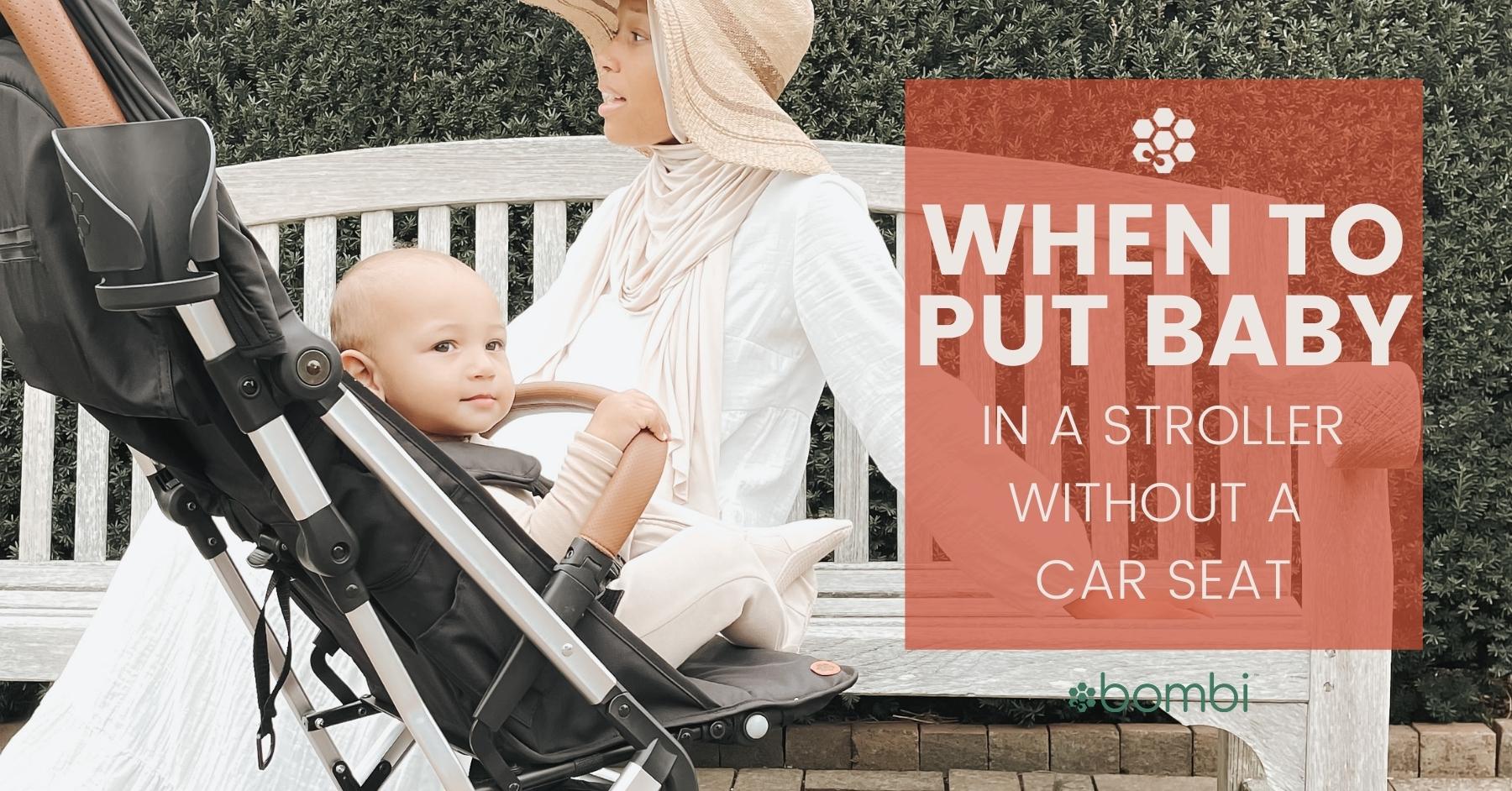
Signs Your Baby Is Ready
Developmental signs are more useful than age alone when deciding when can baby sit in toddler seat stroller. A baby who is six months old but still slumps may not be ready for an upright seat.
Look for these signs during normal floor play:
Strong head and neck control
Your baby should keep their head steady without repeated bobbing. Their head should not flop forward when the stroller moves over a small bump.
Good control matters because the stroller may turn, stop, or travel over uneven ground. A weak neck can make these movements unsafe and uncomfortable.
Independent sitting
Your baby does not need to sit perfectly for a long time. Still, they should sit with little or no help and recover from small shifts in balance.
If your baby needs pillows, your hand, or the stroller sides to stay upright, wait before using a fully upright toddler seat. A reclined position may be safer if the manual allows it.
Stable upper-body control
Watch your baby’s shoulders and chest. They should not slide down, curl forward, or lean sharply to one side.
A five-point harness adds protection, but it does not replace body strength. The harness should hold your baby in place, not act as a substitute for proper support.
Comfort during short practice sessions
Try a short session at home or on a smooth path. If your baby cries, slumps, or seems tired after a few minutes, return to a more reclined position and try again later.
These signs help answer when can baby sit in toddler seat stroller more accurately than a birthday alone.

Age, Weight, and Developmental Readiness
Many stroller brands list 6 months as the starting age for a toddler seat. This is common, but it is not a universal rule. The correct starting point comes from the manual, the seat design, and your baby’s physical skills.
Weight limits matter too. A stroller may support a child up to 50 pounds, but that does not mean it is safe for a newborn. The upper weight limit tells you how long the stroller can be used, not when your baby can first sit in it.
When deciding when can baby sit in toddler seat stroller, check three separate limits:
• Minimum age listed by the manufacturer
• Minimum developmental skill required by the seat
• Maximum weight and height allowed by the stroller
Some strollers have reversible seats. A parent-facing position can help you watch a young baby closely. A forward-facing position may be better once your child wants to look around, but the direction does not remove the need for proper head and trunk control.
The American Academy of Pediatrics emphasizes safe restraint and careful use of baby equipment. Product instructions also matter because stroller frames, recline angles, harnesses, and inserts vary widely.
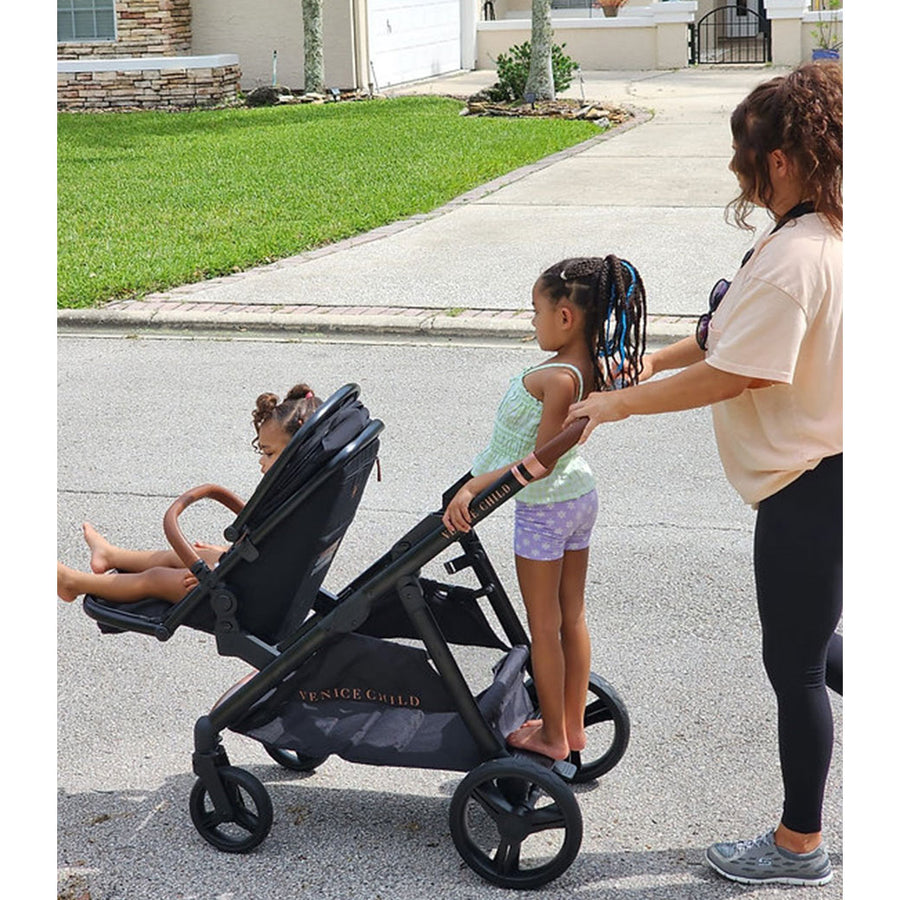
Can a Baby Use a Stroller Seat Before Six Months?
Sometimes, yes. The answer depends on the stroller’s design.
A stroller may be suitable for a younger baby if it has:
• A manufacturer-approved near-flat recline
• A safe newborn carrycot or bassinet
• A compatible infant insert approved by the brand
• A harness that fits securely at the smallest setting
• Clear instructions for newborn use
Do not place a young baby in an upright toddler seat simply because the seat reclines a little. A slight recline may still allow the baby’s chin to fall toward the chest.
This position can affect breathing. Young babies have limited neck strength, so their airway can become less open if they slump. That is why the answer to when can baby sit in toddler seat stroller must include the seat angle, not just the baby’s age.
Also, never add a loose pillow, cushion, or rolled blanket unless the manufacturer specifically approves it. Loose items can shift and may create a breathing or entrapment risk.

Toddler Stroller Seat Versus Infant Car Seat
Many parents confuse an infant car seat with a toddler stroller seat. They serve different purposes.
An infant car seat is designed for travel in a vehicle. It keeps a small baby in a semi-reclined, rear-facing position. A stroller toddler seat is designed for walking and usually gives more room and a more upright posture.
An infant car seat can often attach to a stroller frame with approved adapters. That does not mean the toddler seat itself is safe for a newborn.
When considering when can baby sit in toddler seat stroller, remember:
• A car seat protects during vehicle travel
• A stroller seat supports a child during walks
• A car seat should be installed according to vehicle instructions
• A stroller car-seat attachment must be approved for that exact model
• Neither product should be used as a routine sleep space
The American Academy of Pediatrics advises moving a sleeping baby from a sitting device to a firm, flat sleep surface as soon as practical. A stroller can be useful for transport, but it is not a replacement for a crib or bassinet.

How to Use the Toddler Seat Safely
Once your baby meets the readiness signs, use the seat carefully. A safe setup reduces the chance of sliding, tipping, or falling.
Follow these steps:
- Read the stroller manual before the first ride.
- Set the seat to the most supportive recline your baby can use safely.
- Place your baby’s bottom fully back in the seat.
- Fasten the five-point harness every time.
- Adjust the shoulder straps so they sit near the shoulders.
- Tighten the harness until it is snug but not painful.
- Lock the stroller before placing your baby inside.
- Use the parking brake whenever you stop.
- Keep small toys, blankets, and bags away from the wheels and harness.
- Check your baby often during the walk.
The harness should pass over the shoulders and around the hips. The buckle should sit at the correct height and remain closed during the entire ride.
When deciding when can baby sit in toddler seat stroller, also consider the walking surface. Smooth sidewalks are easier for a new sitter than gravel, grass, or steep paths.

Common Mistakes Parents Should Avoid
A few common choices can make a stroller ride less safe. Most are easy to prevent once you know what to watch for.
Starting because of age alone
Six months is not a magic switch. If your baby cannot sit with steady control, wait even if the stroller box says 6 months.
Using a loose insert
A soft insert may change the way the harness fits. Use only accessories approved for your stroller model and age range.
Leaving the harness loose
A loose harness lets a baby slide down or lean out. You should be able to fit a finger under the straps, but the harness should not hang away from the body.
Hanging heavy bags from the handle
Heavy bags can make the stroller tip backward. Use the storage basket and stay within the listed weight limit.
Letting the baby sleep for a long time
Babies often fall asleep during walks. Check their position and move them to a safe, flat sleep surface when you can.
Folding or lifting the stroller with the baby inside
Always remove your baby before folding, carrying, or placing the stroller in a vehicle. This prevents pinching and unexpected movement.
These mistakes often lead parents to question when can baby sit in toddler seat stroller. In many cases, the problem is not the age. It is poor fit, weak support, or incorrect use.

A Practical First-Ride Plan
A short first ride can help you judge whether your baby is ready. Start indoors or on a smooth path near home.
Try this simple plan:
• Begin with 5 to 10 minutes
• Use the most supportive approved recline
• Keep the stroller parent-facing if that helps you monitor your baby
• Check the head, chin, shoulders, and hips often
• Stop if your baby slumps, cries, or looks uncomfortable
• Increase ride time slowly over the next few outings
One useful lesson from helping families choose baby gear is that readiness can change during the same day. A baby may sit well after a nap but slump when tired. For that reason, do not judge readiness from one perfect five-minute session.
A good stroller ride should look calm and supported. Your baby should not be fighting the seat or trying to hold themselves up with stiff arms.

Travel and Weather Safety
Weather can affect stroller safety. Babies cannot control their body temperature as well as older children, so dress them in light layers and check their chest or back.
Avoid covering the stroller with a loose blanket. It may reduce airflow and cause the inside to become too warm. Use a stroller cover only if it is made for that stroller and allows proper ventilation.
In hot weather:
• Walk during cooler hours
• Use shade without blocking airflow
• Offer feeds as recommended by your pediatrician
• Check for sweating, flushed skin, or unusual sleepiness
In cold weather:
• Use layers rather than one very thick coat under the harness
• Check that the straps still fit snugly
• Protect hands and feet
• Watch for pale or cold skin
Sun protection also matters. A canopy helps, but it may not block all ultraviolet light. Use clothing and shade suitable for your baby’s age, and ask a pediatric professional about sunscreen for young infants.
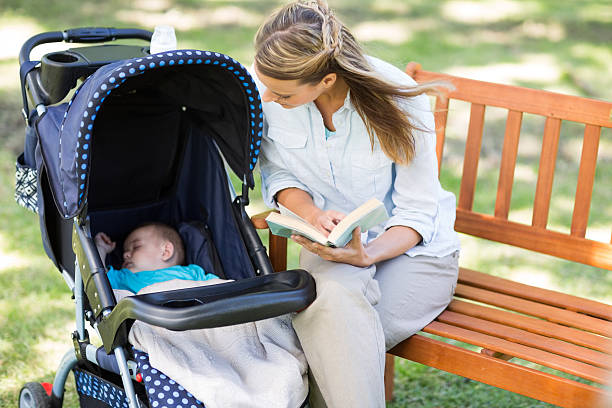
What to Check on the Stroller
A safe stroller should be stable, clean, and in good repair. Before each trip, take a quick look at the parts that protect your baby.
Check the following:
• The frame opens and locks fully
• The brakes hold both wheels
• The harness buckle closes and releases correctly
• The seat fabric has no tears
• The wheels turn without sticking
• The recline mechanism locks in place
• The handlebar and storage basket are secure
• No recall affects the stroller
The U.S. Consumer Product Safety Commission tracks recalls involving strollers and other juvenile products. Registering your stroller with the manufacturer can help you receive safety notices.
When researching when can baby sit in toddler seat stroller, do not rely only on online reviews. Reviews can describe comfort, but the manufacturer’s instructions control the approved age, weight, and accessory use.
Frequently Asked Questions
When can baby sit in toddler seat stroller?
Most babies can use a regular toddler stroller seat at about 6 months, when they can sit upright and control their head and neck. Always follow the specific stroller manual because some models allow earlier use in a flat or near-flat position.
Can a four-month-old use a toddler stroller seat?
Usually, not if the seat is upright. A four-month-old may use a stroller only when the manufacturer approves a safe, supportive newborn position, such as a bassinet or near-flat recline.
Does my baby need to sit completely alone?
Your baby should have strong, steady control and should not slump in the seat. They do not need to sit perfectly for a long time, but they should not depend on pillows, your hand, or the harness to stay upright.
Can a baby sleep in a toddler stroller seat?
A baby may fall asleep during a walk, but a stroller is not a routine sleep space. Move the baby to a firm, flat, approved sleep surface as soon as practical, following safe-sleep guidance.
Is an infant car seat safer than a toddler seat for a young baby?
An approved infant car seat provides the correct support for vehicle travel and may attach to a compatible stroller. It is not the same as a toddler seat, and neither should be used for long, unsupervised sleep.
How long can a baby ride in a stroller seat?
There is no single time limit for every baby or stroller. Take breaks, check your baby’s position often, and stop when your baby becomes tired, slumps, sweats, or appears uncomfortable.
Conclusion
The best answer to when can baby sit in toddler seat stroller is usually around 6 months, but developmental readiness matters more than the number alone. Your baby should control their head, sit with steady support, fit the harness, and use a seat approved for their age and size.
Read the stroller manual, begin with short rides, and check your baby often. If you are unsure about your baby’s posture or development, ask your pediatrician before changing seat positions. Use this guide to make your next stroller choice with care, then explore your stroller’s official safety resources or share your experience with other parents.