
To wash baby clothes safely, use a gentle detergent, rinse well, and follow each garment’s care label.
Learning how to wash baby clothes helps protect delicate skin, remove milk and spit-up stains, and keep small garments soft and safe. This guide explains each step, from sorting and stain care to choosing water temperature, detergent, and drying methods. It also covers common mistakes that can leave clothes rough, stained, or irritating.
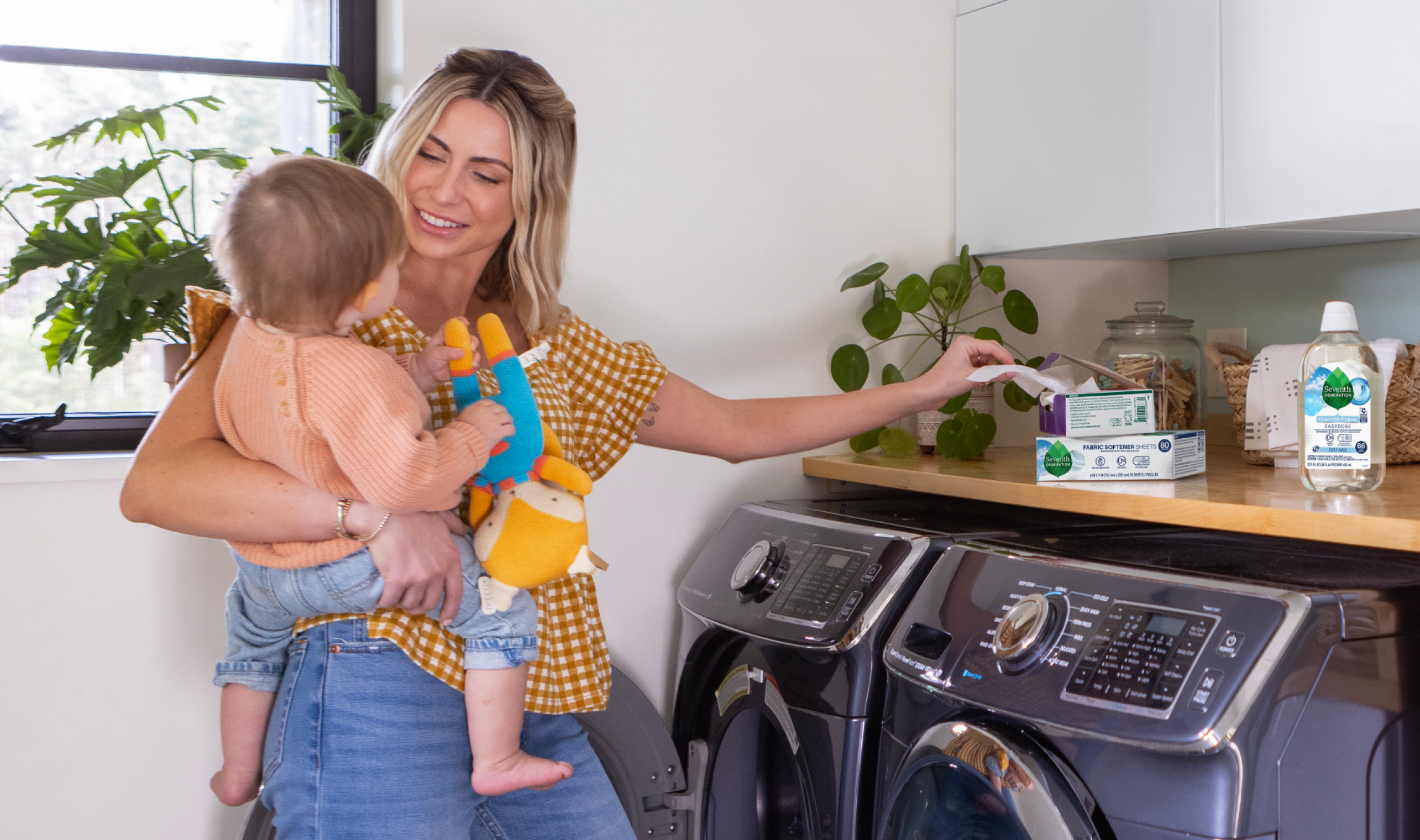
Why washing baby clothes needs extra care
Baby skin is thin and sensitive. It can react to leftover detergent, fragrance, fabric softener, or harsh stain removers. Newborns also spend much of the day in clothing, so even small amounts of residue may touch the skin for hours.
Knowing how to wash baby clothes also helps remove germs, body oils, food, and diaper leaks. Clean clothing does not need to be sterile, but it should be washed well and dried fully.
The American Academy of Pediatrics generally supports using a mild detergent for baby clothing. However, babies with eczema or very sensitive skin may need fragrance-free products and extra rinsing. Always follow your pediatrician’s advice for a diagnosed skin condition.
What you need before washing baby clothes
Gather your supplies before starting. This makes laundry faster and reduces the chance of leaving stained clothes in a damp pile.
You will need:
- A mild, fragrance-free laundry detergent
- A clean hamper with good airflow
- A soft stain brush or clean cloth
- A washing machine or clean basin
- A drying rack, clothesline, or dryer
- A mesh laundry bag for socks, mittens, and other small items
Read the care label on every garment. Labels tell you the safest water temperature, wash cycle, drying method, and bleach limits. This matters because cotton bodysuits, wool sweaters, fleece blankets, and flame-resistant sleepwear do not all wash the same way.
For flame-resistant pajamas, do not use chlorine bleach or products that can reduce the finish’s effectiveness. Follow the label closely. Avoid ironing these garments unless the label says it is safe.
How to sort baby clothes
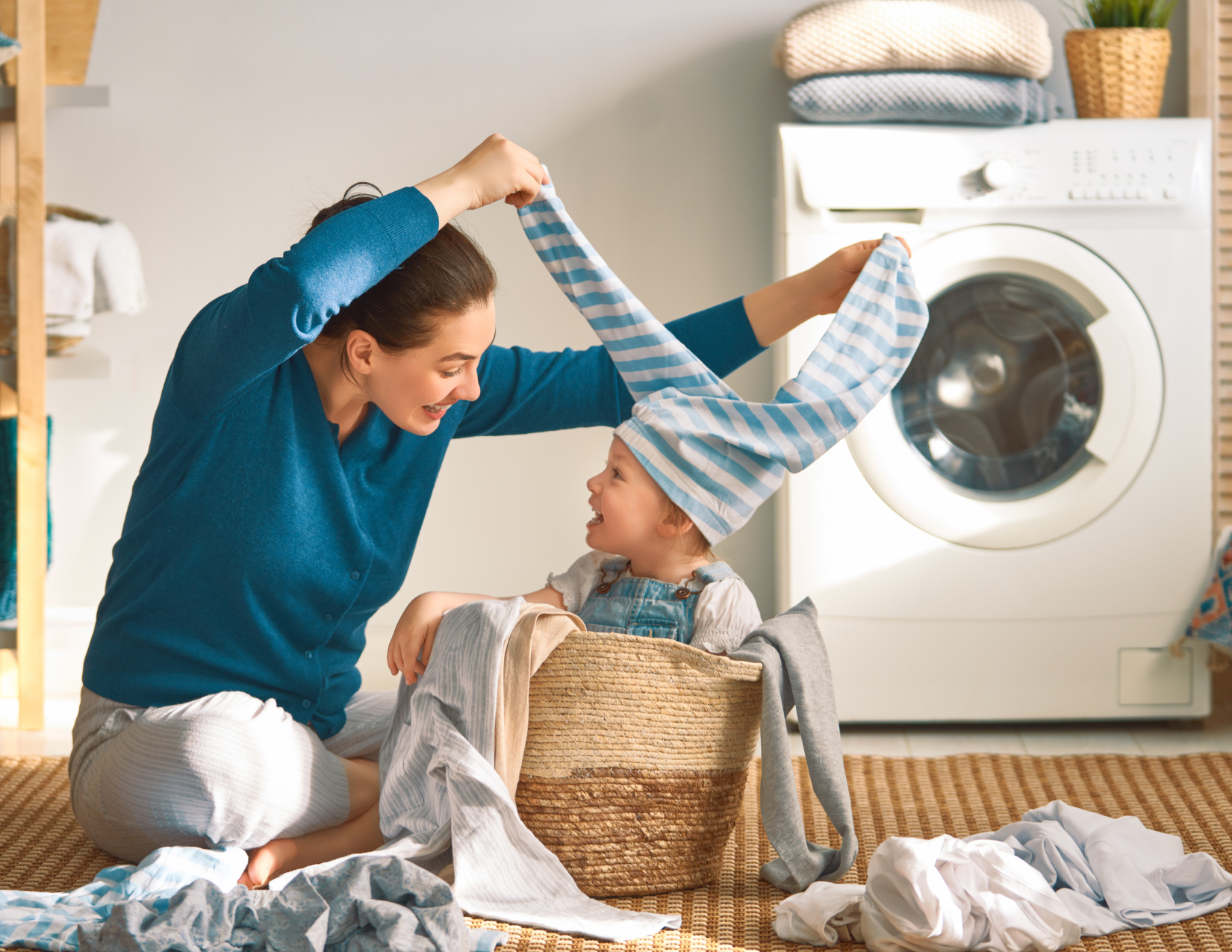
Sorting is one of the easiest ways to prevent damage and color transfer. It also lets you choose the right cycle for each load.
Create separate groups for:
- White and light-colored clothes
- Dark or bright-colored clothes
- Heavily stained items
- Towels, bibs, and burp cloths
- Delicate items
- Flame-resistant sleepwear
Wash new dark or bright clothes separately the first few times. Some dyes bleed, especially in warm water. Turn printed shirts, leggings, and decorated clothes inside out to reduce fading and wear.
Close snaps, zippers, and hook-and-loop fasteners before washing. This keeps them from catching on other garments. Place tiny socks and mittens in a mesh bag so they do not vanish inside the washer.
How to treat stains before washing
The best stain treatment starts quickly. Milk, formula, fruit, and stool stains become harder to remove when they dry and set into the fabric.
First, scrape off solid material with a dull spoon. Rinse the stained area under cool water. For protein stains such as milk, formula, or blood, avoid hot water at first because heat can set the stain.
Apply a small amount of baby-safe liquid detergent to the mark. Rub the fabric gently between your fingers or use a soft brush. Let it sit for about 10 to 15 minutes, then wash the item according to its care label.
For diaper stains, rinse away as much waste as possible before placing the clothing in the washer. Do not shake dry particles into the air. Wash your hands well after handling soiled laundry.
Sunlight may help lighten some organic stains after washing. Still, direct sun can fade dark colors, so test it with colored clothing. Never mix bleach with ammonia, vinegar, or other cleaning products.
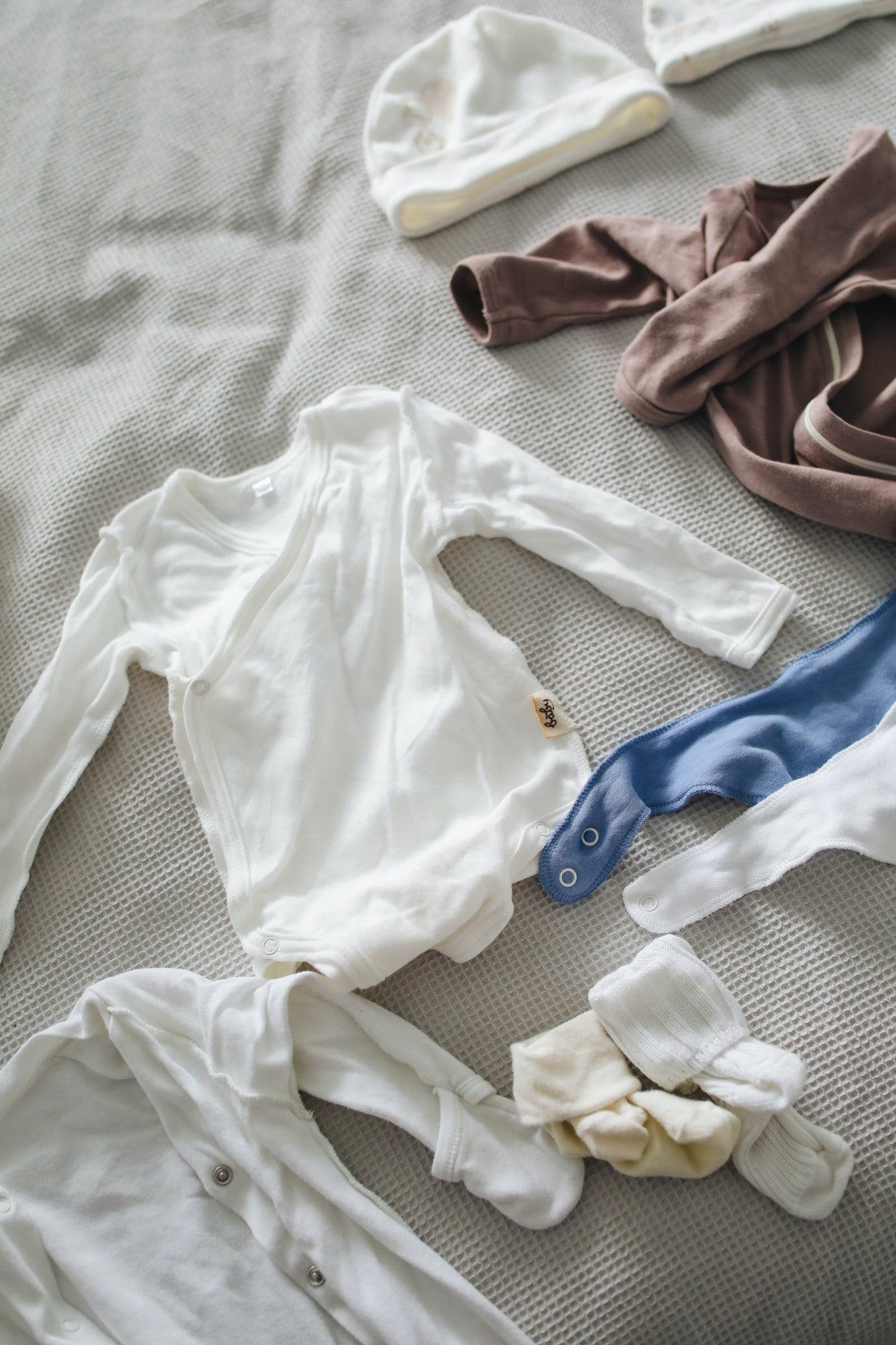
How to wash baby clothes in a washing machine
Learning how to wash baby clothes in a machine is simple when you use the right order.
- Check pockets and close all fasteners.
- Add clothes without overfilling the drum.
- Measure detergent according to the package directions.
- Select the water temperature listed on the care label.
- Choose a gentle or normal cycle based on the fabric.
- Add an extra rinse if your baby has sensitive skin.
- Remove clothes soon after the cycle ends.
Do not pack the washer tightly. Clothes need room to move through water. An overloaded drum can leave detergent and soil trapped in fabric.
Use the smallest amount of detergent that cleans the load well. More soap does not mean cleaner clothes. Too much can leave a film that causes stiffness, odor, or skin irritation.
A warm or hot cycle may help with heavily soiled towels and cloth diapers when the care label allows it. For everyday baby clothes, cool or warm water is often enough. Modern detergents are made to clean well in lower temperatures.

How to wash baby clothes by hand
Hand-washing works well for delicate items, wool, handmade clothing, and garments with special care instructions. Use a clean sink or basin, and rinse away any cleaning product left in the basin first.
Fill the basin with cool or lukewarm water. Add a small amount of mild detergent and mix it well before placing in the clothes. Let the garment soak for a short time, then gently press the fabric in the water.
Do not twist or scrub delicate clothing. Drain the soapy water and rinse several times until the water looks clear and feels free of soap. Press out water with a clean towel instead of wringing the garment.
Lay delicate items flat or hang them as the care label directs. Heavy wet clothing can stretch, so support the full garment while moving it.

Choosing the best detergent for baby clothes
The best detergent for baby clothes is usually mild, fragrance-free, and free from unnecessary dyes. “Baby detergent” is not always required. A standard detergent can work if it cleans well and does not irritate your child’s skin.
Look for terms such as:
- Fragrance-free
- Dye-free
- Hypoallergenic
- Dermatologist tested
The word “natural” does not automatically mean gentle. Plant-based scents and essential oils can still irritate sensitive skin. Read the ingredient list and watch how your baby’s skin responds.
Avoid fabric softeners and scent beads for most baby laundry. They can coat fibers with fragrance and chemicals. This coating may reduce absorbency in towels, bibs, and cloth diapers.
If your baby develops a rash after wearing freshly washed clothes, stop using the product and switch to a simple fragrance-free routine. Wash the clothing again with no softener and use an extra rinse. Seek medical advice if the rash continues, spreads, or appears painful.

What water temperature should you use?
Water temperature depends on the fabric, stain, and care label. There is no single setting for every baby garment.
Use these general guidelines:
- Cold water works well for lightly soiled clothing and helps reduce fading.
- Warm water can remove body oils, food, and everyday soil.
- Hot water may help with very dirty washable items, but it can shrink fabric and set some stains.
- Delicate fabrics often need cool water and a gentle cycle.
For milk or blood stains, start with cool water. For towels and heavily soiled cotton items, warmer water may be useful if the label permits it.
Washing temperature is only one part of hygiene. Good detergent, a complete wash cycle, proper rinsing, and full drying all matter. Clothing used during illness may need special care based on the illness and your healthcare provider’s advice.
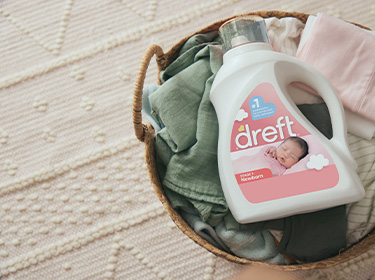
How to dry baby clothes safely
Drying baby clothes fully helps prevent musty smells and unwanted microbial growth. Remove laundry from the washer soon after the cycle ends.
Before drying, shake out each item and check for stains. Heat can make some stains harder to remove. If a mark remains, treat and wash it again before using the dryer.
Use a low or medium dryer setting when the care label permits. High heat can shrink cotton, weaken elastic, and damage prints. Air drying is gentle and can save energy, but keep clothes away from smoke, dust, and outdoor pollutants.
Dry clothing completely before folding it. Do not store damp bibs, burp cloths, or sleepwear. A clean, dry drawer or closet is the best place for washed baby clothes.
Should you wash new baby clothes first?
Yes, washing new baby clothes before your baby wears them is a sensible step. New garments may carry dust, loose dye, finishing chemicals, or residue from handling and storage.
Use a mild detergent and follow the care label. You do not need a special sterilizing product for ordinary new clothing. Wash blankets, hats, socks, bodysuits, and sleepwear before first use.
This step is especially helpful for newborns and babies with sensitive skin. It also softens fabric and lets you check whether colors bleed or seams cause discomfort.
Can you wash baby clothes with adult clothes?
You can wash baby clothes with adult clothes if the load is lightly soiled and the fabrics share the same care instructions. Many families combine laundry to save time and water.
Separate heavily soiled work clothes, muddy items, and clothing exposed to strong chemicals. Keep baby clothes away from garments with grease, smoke, pet waste, or harsh cleaning residue.
If your baby has eczema or another skin condition, washing baby clothes separately may make it easier to control products and identify irritants. It is not always necessary, but it can simplify troubleshooting.
Common mistakes when washing baby clothes
A few habits can make baby laundry less comfortable or less effective.
Avoid these mistakes:
- Using too much detergent
- Adding fabric softener or strong fragrance
- Overloading the washer
- Leaving wet clothes in the machine
- Washing every item in hot water
- Ignoring care labels
- Mixing bleach with other cleaners
- Drying stained clothing on high heat
- Failing to rinse heavily soiled items first
One practical lesson many new parents learn is that detergent should be measured, not poured by guesswork. Extra soap often leaves clothes stiff rather than cleaner. Another useful habit is keeping a small stain kit near the hamper, because quick treatment saves time later.
If a garment still smells after washing, clean the washer drum and detergent drawer. Buildup in the machine can transfer odor back to clean clothing. Run the cleaning cycle recommended by the washer manufacturer.
A simple weekly baby laundry routine
A regular routine can keep laundry manageable during busy weeks.
Try this approach:
- Place a ventilated hamper near the changing area.
- Rinse diaper leaks and food stains as soon as possible.
- Sort clothing by color, soil level, and fabric.
- Wash small loads rather than stuffing the machine.
- Use mild detergent at the correct dose.
- Add an extra rinse when needed.
- Dry clothes fully and fold them soon after.
- Clean the washer each month or as the manual recommends.
Do not let wet or soiled clothing sit for several days. If you cannot wash an item right away, rinse it and let it air-dry before placing it in the hamper. This helps reduce mildew and strong odors.
For cloth diapers, use a separate wash routine based on the diaper maker’s instructions. Cloth diapers need enough water, the right detergent, and a complete rinse. Do not assume that the routine for ordinary baby clothes will clean them properly.
When to ask a doctor about skin irritation
Laundry products can cause irritation, but not every rash comes from clothing. Heat, saliva, food, eczema, infection, and diaper moisture can also affect a baby’s skin.
Contact a healthcare professional if your baby has:
- A rash that spreads quickly
- Blisters, open skin, swelling, or pus
- Fever or unusual sleepiness
- Trouble breathing
- Severe itching or pain
- A rash that does not improve after removing a suspected irritant
Stop using a new detergent, softener, or scent product while you seek advice. Keep a note of products used and when the rash began. This information can help a clinician find the cause.
Frequently Asked Questions About How to Wash Baby Clothes
What detergent is best for baby clothes?
Choose a mild, fragrance-free, dye-free detergent. A regular detergent may be fine if your baby has no reaction, but babies with eczema may need a simpler formula and an extra rinse.
Should baby clothes be washed in hot water?
Not always. Cool or warm water is suitable for many baby clothes, while hot water may shrink fabric or set protein stains. Follow the care label and use warmer water only when the garment and level of soil allow it.
Can I use fabric softener on baby clothes?
It is best to avoid fabric softener, especially for newborns and babies with sensitive skin. Softener can leave fragrance and a coating on fabric, and it may reduce the absorbency of towels and bibs.
Do I need to wash new baby clothes before use?
Yes. Washing new clothing removes dust, loose dye, and residues from manufacturing or storage. Use mild detergent and dry the garments fully before your baby wears them.
How do I remove poop stains from baby clothes?
Remove solid waste, rinse the area with cool water, and apply a small amount of mild detergent. Wash the garment according to its care label, and do not dry it until the stain is gone.
Can I wash baby clothes with the family’s laundry?
Yes, if the items have similar care needs and are not heavily soiled with chemicals, grease, smoke, or waste. Families with babies who have eczema may prefer separate washing to reduce possible irritants.
How often should I wash baby clothes?
Wash clothing after it becomes wet, stained, or noticeably soiled. Bodysuits, socks, bibs, and sleepwear may need frequent washing, while lightly worn sweaters can often be used again if they are clean and dry.
Conclusion
Knowing how to wash baby clothes comes down to a few steady habits: sort garments, treat stains early, use mild detergent, avoid excess product, follow care labels, rinse well, and dry everything fully. These steps help keep clothing clean without adding avoidable irritants.
Start with a simple fragrance-free routine, then adjust it if your baby’s skin needs extra care. Try these methods during your next laundry load, and share your best baby laundry tips or questions in the comments.