
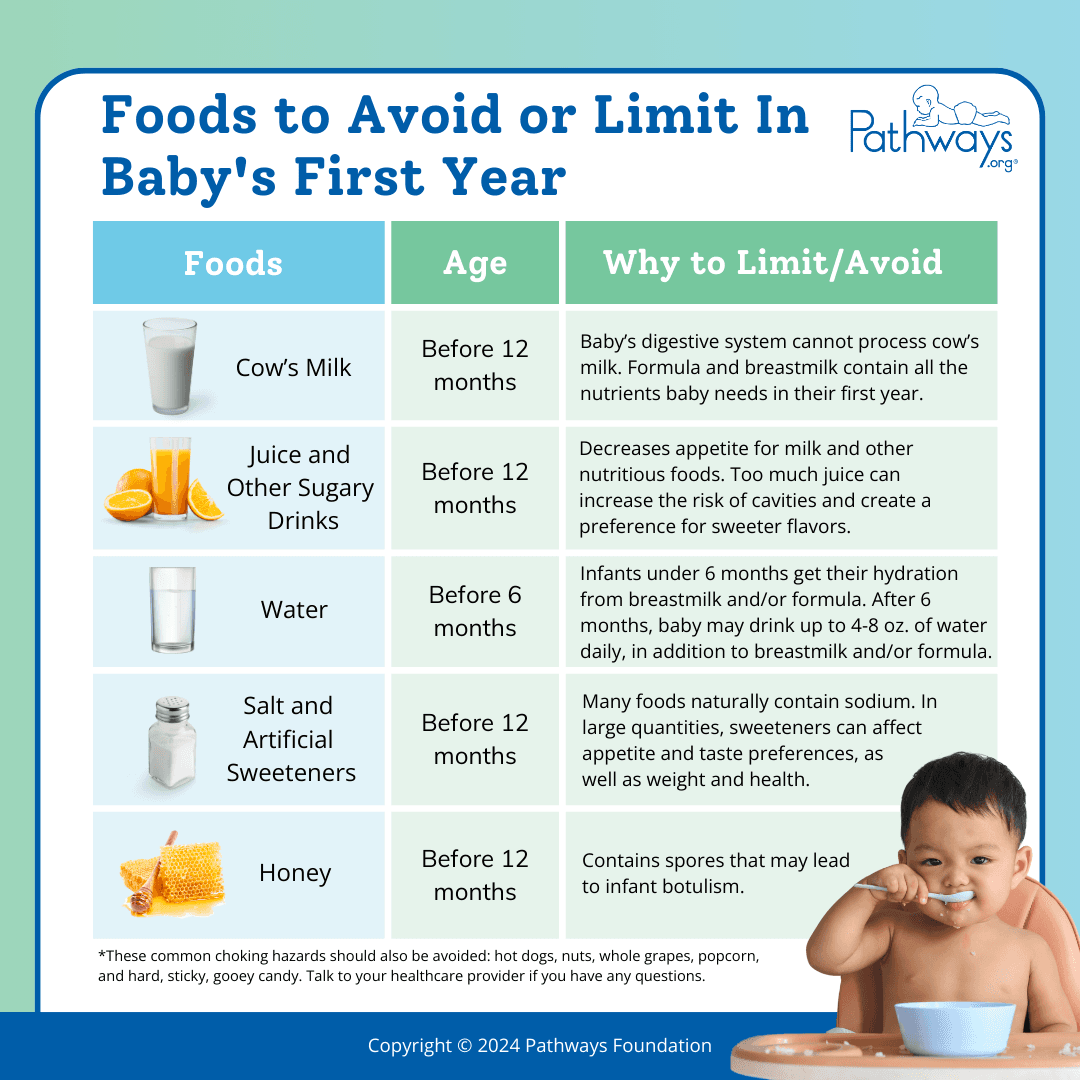
Babies should not have juice before 12 months; small, limited amounts are okay after one year.
As a pediatric nutrition writer and parent coach, I know parents want clear, safe guidance on when can babies have juice. This article lays out expert-backed timing, how to introduce juice safely, portion sizes, risks and real-life tips from my experience helping families. Read on to get simple rules you can use today to protect your baby’s health and teeth while still enjoying gentle fruit flavors when the time is right.
When can babies have juice? Basic recommendation
When can babies have juice is a question I hear every week from new parents. The clear short rule is simple: do not give juice to infants under 12 months. After 12 months, small amounts of 100% fruit juice can be offered sparingly.
For toddlers ages 1 to 3 years, limit juice to no more than 4 ounces per day. For older children, follow age-based limits and favor whole fruit over juice. These recommendations come from mainstream pediatric guidance and reflect concerns about calories, nutrients, and dental health.

Why wait until 12 months
Asking when can babies have juice means thinking about the baby’s gut, growth, and teeth. Babies under one year have different needs. Their digestive systems are still maturing. Breast milk or formula provides all needed fluids and calories.
Giving juice too early can cause diarrhea and reduce appetite for breast milk or formula. Juice is also a top cause of early tooth decay. Waiting until 12 months lowers those risks and helps babies learn to eat whole foods.

How to introduce juice safely
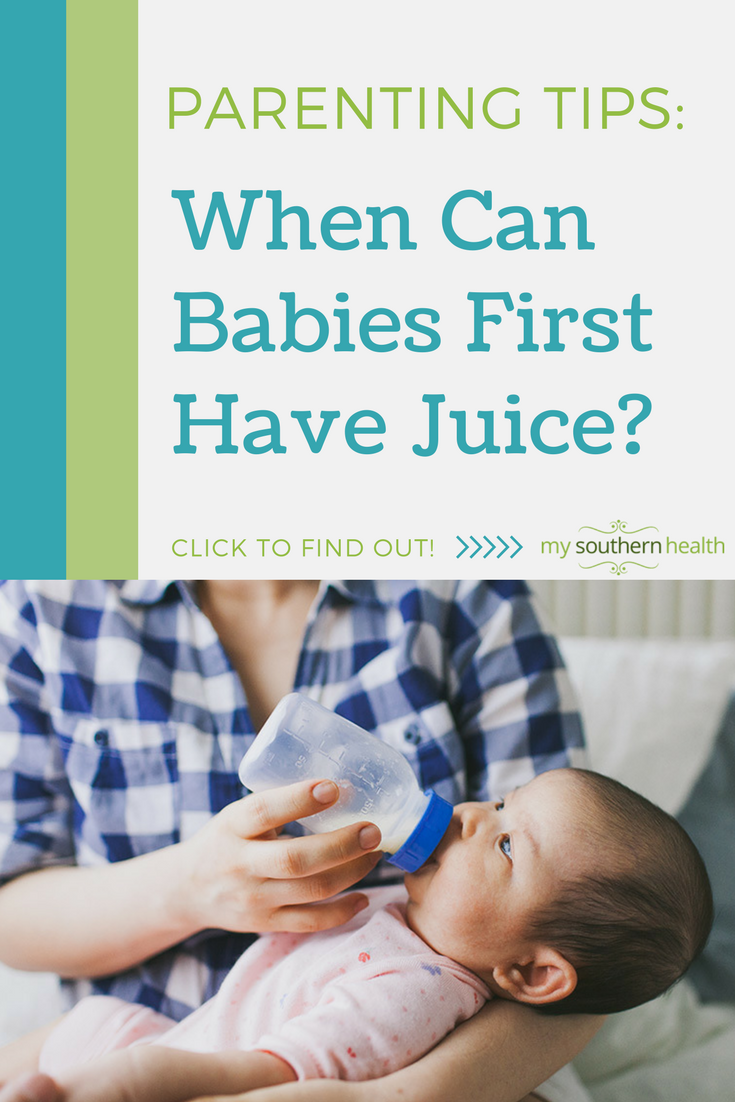
When can babies have juice is only half the story. How you introduce juice matters a lot. Start slowly after 12 months. Offer juice in a cup at mealtimes only. Do not use bottles or let a child sip juice all day.
Follow these steps:
- Offer only 100% fruit juice. No juice drinks or cocktails with added sugar.
- Limit portions to 4 ounces (about 120 mL) per day for ages 1–3.
- Serve juice with food, not before bed or in a bottle.
- Consider diluting juice with water at first to reduce sugar concentration.
PAA-style questions
- When can babies have juice after illness? Wait until your baby is feeding well and hydrated; if under 12 months, avoid juice and stick to breast milk or formula.
- Can juice replace fruit? No. Whole fruit has fiber and satiety that juice lacks. Offer fruit first, then small juice portions only if desired.
- Should juice be diluted? Dilution can reduce sugar and protect teeth, but the main priority is limiting overall juice volume.
Types of juice and portion sizes
Parents often ask when can babies have juice and what kind. Choose wisely. Not all juices are equal. Here are safe choices and limits:
- 100% fruit juice only. No soda, fruit drinks, or sugary blends.
- Limit for ages 1–3: up to 4 ounces daily.
- Ages 4–6: up to 4–6 ounces, depending on diet and health.
- Emphasize vegetable juice rarely, as it can still be high in sodium.
- Avoid grape and apple juice in large amounts; they can cause loose stools in young children.
Portion control is key. Pour measured amounts and offer in a regular cup. This habit helps you control how much your child drinks and prevents grazing on sweet liquids.

Risks and benefits
When can babies have juice is a balance of small benefits and real risks. Juice can provide vitamin C and a pleasant taste. But benefits fall short of whole fruit. The risks include:
- Tooth decay from frequent exposure to sugars.
- Extra calories that can lead to weight gain.
- Reduced appetite for nutrient-dense foods.
- Possible diarrhea or tummy upsets in sensitive infants.
Benefits are modest. Juice can help a picky toddler get vitamin C in some cases. Use juice as a minor treat, not a daily staple. Always pair juice with a meal to reduce tooth exposure.
Practical tips and personal experience
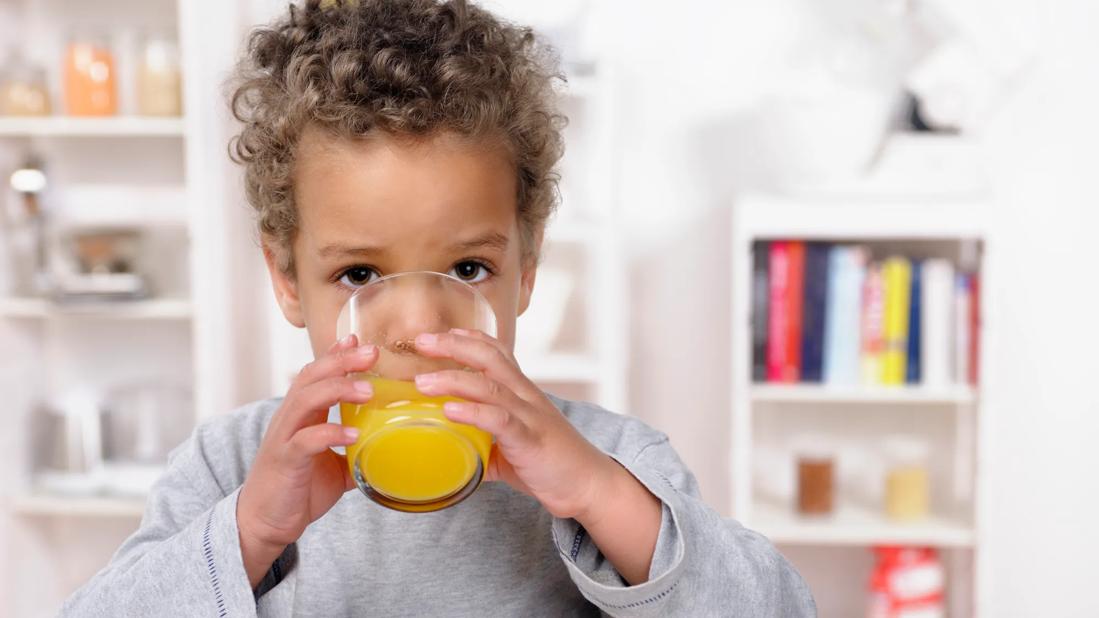
I have guided many families on when can babies have juice and seen what works. One family I worked with avoided juice until 15 months. They used mashed fruit and water in sippy cups instead. Their child accepted whole fruit and had no tooth issues. That outcome is common when juice is limited.
Practical tips I share:
- Use whole fruit first. Cut soft fruit into small, safe pieces for toddlers.
- Replace juice with water between meals. Make water fun with a colorful cup.
- If you offer juice, do so at a meal in a small cup. Avoid night or nap bottles.
- Read labels. "No added sugar" does not always mean low sugar. Look for 100% fruit juice only.
Common mistakes to avoid:
- Putting juice in a bottle. This increases tooth decay risk.
- Letting a child sip juice all day from a cup. Constant sugar exposure is harmful.
- Using juice to calm or pacify a fussy baby. This creates poor feeding habits.
Frequently Asked Questions of when can babies have juice
When can babies have juice for the first time?
Babies should not have juice before 12 months. After one year, you can offer small amounts of 100% fruit juice if desired.
Can juice be given in a bottle or sippy cup?
Avoid bottles. Offer juice in a regular cup or open cup during meals to reduce dental risk and limit intake.
Is diluted juice better for toddlers?
Diluting lowers sugar concentration, but the main goal is small total volume. Dilution may help transition, but don’t exceed daily limits.
What types of juice are safest?
Choose 100% fruit juice with no added sugar. Prefer whole fruits and limit vegetable juice due to sodium content.
Will juice cause diarrhea in babies?
Large amounts of fruit juice, especially apple or pear, can cause loose stools. Keep portions small and observe your child’s tolerance.
How often can toddlers have juice?
For ages 1–3, keep juice to no more than 4 ounces per day and only at mealtimes. Offer water between meals.
Can juice help a picky eater?
A small juice serving may add calories and vitamin C, but whole fruit and varied textures are better long-term for appetite and nutrition.
Conclusion
When can babies have juice is an important parenting question with a clear answer: wait until 12 months, then offer small amounts of 100% fruit juice as an occasional part of a balanced diet. Favor whole fruit, serve juice only at meals, and limit portions to protect teeth and appetite. Try the practical tips here and watch how your child responds.
Take action today: swap one juice offering for whole fruit this week, measure any juice you do serve, and share your results or questions below. Your experience helps other parents learn too.