
For families in the United States, the short answer is: babies can regulate body temperature from birth, but newborns do it less well than older children and adults. Most full-term babies become better at staying warm over the first few months, with much more reliable temperature control by about 3 to 6 months. Premature babies, small babies, and babies who are sick may need extra support for longer.
A baby’s temperature can change quickly. Caregivers should use clothing, room temperature, skin checks, and a reliable thermometer—not touch alone—to judge whether a baby is too hot or too cold.
Why newborns struggle to control body temperature
Newborns lose heat faster because their bodies are small, their skin is thin, and their heads are large compared with the rest of the body. They also have less muscle mass and cannot move around to warm themselves.
Adults often warm up by shivering. Newborns do not shiver well. Instead, they use non-shivering thermogenesis, which means their bodies burn a special type of stored fat called brown fat to make heat.


This system works, but it uses a lot of energy and oxygen. A cold newborn may use extra calories just to stay warm. That can make feeding harder and may lead to low blood sugar or breathing problems, especially in a premature or ill baby.
Babies also have a limited ability to cool themselves. They cannot remove a blanket, move to a cooler spot, or clearly tell you that they are hot. Their skin may feel warm even when their core temperature is not in a safe range.
A practical age guide
There is no single birthday when temperature control suddenly becomes “fully developed.” It improves step by step.
| Baby’s age or condition | What to expect |
|---|---|
| Birth to 1 month | Temperature control is immature. Newborns need careful clothing and protection from drafts, cold surfaces, and overheating. |
| 1 to 3 months | Control is improving, but babies still rely heavily on caregivers and their surroundings. |
| About 3 to 6 months | Many healthy, full-term babies handle normal indoor temperatures more reliably. They can still overheat or become cold. |
| After 6 months | Temperature control is stronger, but illness, wet clothing, extreme weather, and unsafe sleep conditions can still cause problems. |
| Premature, low-birth-weight, or sick babies | Temperature control may remain weak for longer. Follow the baby’s discharge plan and medical advice. |
These ranges are practical guides, not strict medical milestones. A full-term baby who is growing well may manage normal indoor conditions early, while another baby may need more help.
What temperature is normal for a baby?
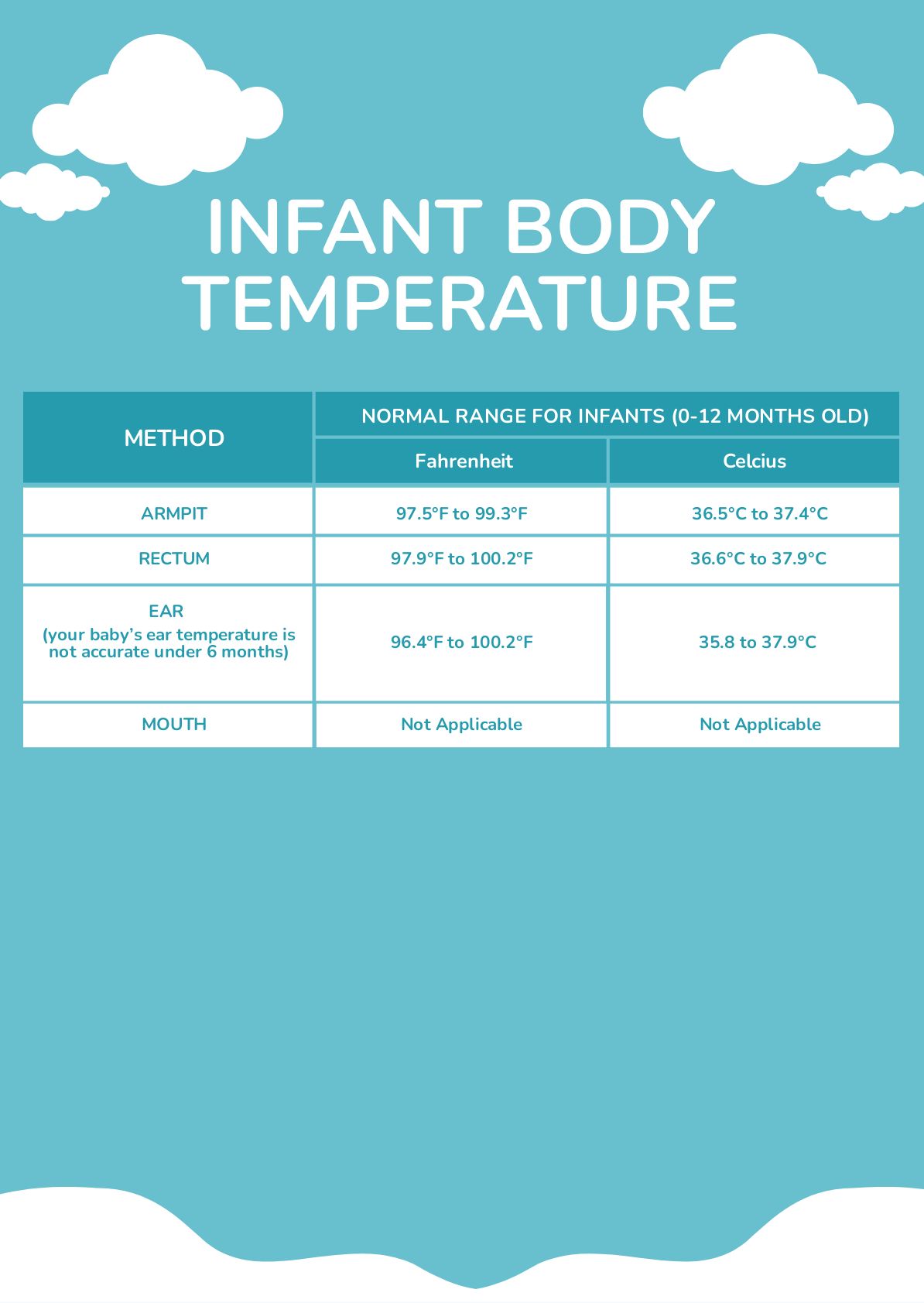
For many newborns, a normal axillary temperature—measured in the armpit—is about 97.7°F to 99.5°F (36.5°C to 37.5°C). The exact reading depends on the measurement method, the device, the time of day, and the baby’s recent activity.
For babies younger than 3 months, the American Academy of Pediatrics advises using a rectal thermometer when an accurate temperature is needed, because it most closely reflects core body temperature. Use a digital thermometer and follow the device instructions. Never use a glass mercury thermometer.
A temperature of 100.4°F (38°C) or higher in a baby younger than 3 months is a medical concern. Call the baby’s health care professional right away for instructions, even if the baby seems fairly well. In the United States, emergency symptoms such as trouble breathing, blue or gray skin, seizure, severe weakness, or difficulty waking require a call to 911.
A low reading also matters. A temperature below 97.7°F (36.5°C) may signal cold stress in a newborn, particularly if it remains low after gentle warming. A baby who feels cold, looks pale, feeds poorly, or is unusually sleepy needs prompt medical advice.
Use the right thermometer method
- Rectal: Often the most accurate method for infants, especially under 3 months. Use only a digital thermometer and insert it gently, according to pediatric guidance.
- Armpit: Easy and safe, but less precise. A low or unexpected reading may need confirmation.
- Forehead or temporal artery: Convenient when used correctly. Follow the device directions and confirm an unusual reading if possible.
- Ear: Often less reliable in very young infants because the ear canal is small. Follow the device’s age guidance.
- Mouth: Not suitable for young babies because they cannot hold the thermometer safely.
Do not take a baby’s temperature immediately after a bath, intense crying, skin-to-skin contact, or heavy bundling. Wait a few minutes, then measure again if the result does not match the baby’s condition.
How to keep a baby at a safe temperature
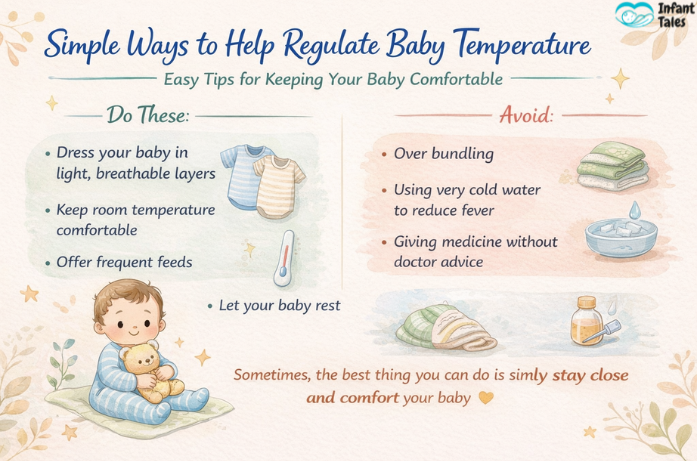
The safest approach is to keep the baby’s environment comfortable and use light, adjustable layers. A baby usually needs about one more layer than an adult would wear in the same room, but this is only a starting point.


Check the baby’s chest or upper back, not the hands and feet. Newborn hands and feet often feel cool because blood flow is still changing. A sweaty neck, damp hair, flushed skin, hot chest, or rapid breathing may mean the baby has too many layers.
For sleep
The American Academy of Pediatrics recommends:
- Place the baby on their back for every sleep.
- Use a firm, flat sleep surface made for infants.
- Keep the sleep space free of loose blankets, pillows, bumpers, and soft objects.
- Use a properly sized sleep sack or wearable blanket instead of loose bedding.
- Avoid hats indoors during sleep.
- Do not use weighted sleep sacks, weighted swaddles, or weighted blankets.
- Keep the baby’s head and face uncovered.
- Avoid overheating; a comfortable room is safer than a very warm room.
Swaddling can help some newborns settle, but it does not improve temperature control. Stop swaddling when the baby shows signs of trying to roll. Never swaddle tightly around the hips, and always place a swaddled baby on the back.
In cold weather
Dress the baby in layers that can be removed indoors. Cover the head and hands when outside in cold weather, but remove outdoor layers once the baby enters a warm car or building. Never place a coat or bulky snowsuit under car-seat straps because it can leave the harness too loose in a crash.
For sleep, avoid loose hats and blankets. A fitted sleep sack is generally safer than bedding that can cover the face.
In hot weather
Use light clothing and shade. Never leave a baby alone in a parked car, even for a short time. Cars can heat up rapidly, and cracking a window does not make the situation safe.
Breast milk or formula usually provides the fluid a young baby needs. Do not give extra water to a young infant unless the baby’s health care professional tells you to do so. If a baby is under 6 months old, ask a pediatric clinician before giving fluids other than breast milk or formula.
Signs that a baby may be too cold or too hot
Touch can offer a clue, but it cannot confirm a baby’s core temperature. Check the chest or back, look at the baby’s behavior, and use a thermometer when needed.
Possible signs of being too cold
- Cool chest, back, or abdomen
- Pale, mottled, or bluish skin
- Low energy or unusual sleepiness
- Weak cry
- Poor feeding or trouble waking to feed
- Slow breathing or pauses in breathing
- A low thermometer reading
Cold hands and feet alone do not always mean a baby is dangerously cold. Warm the baby gently with clothing or skin-to-skin contact while seeking advice if the baby remains cold or acts unwell.
Possible signs of overheating
- Sweating, especially on the neck or back
- Hot chest or abdomen
- Flushed skin
- Damp hair
- Fast breathing
- Restlessness or unusual irritability
- Poor feeding
- Fewer wet diapers
- Unusual sleepiness
Fever is not the same as overheating from too many layers. A fever may result from infection, so measure the temperature and follow the age-based guidance above. Do not assume that removing a blanket explains away a temperature of 100.4°F (38°C) or higher in a baby under 3 months.
When to seek urgent help
Call 911 for a baby who:
- Has severe trouble breathing
- Is blue, gray, or very pale
- Cannot be awakened normally
- Has a seizure
- Is limp or suddenly very weak
- Has signs of severe dehydration or shock


Call the baby’s health care professional promptly for:
- A rectal temperature of 100.4°F (38°C) or higher in a baby under 3 months
- A persistently low temperature
- Poor feeding with unusual sleepiness
- Repeated vomiting or diarrhea
- Fewer wet diapers
- A baby who remains hot or cold despite removing or adding a layer

What affects a baby’s ability to regulate temperature?
Age is only one part of the answer. Several factors can make temperature control harder.
Prematurity
Babies born early often have less brown fat, less body fat, thinner skin, and less energy reserve. They may need an incubator, warmer, or carefully planned clothing at first. After discharge, follow the neonatal team’s instructions rather than using a general age guide.
Birth weight
Small babies have more surface area compared with their body mass. They can lose heat quickly, even in a room that feels comfortable to an adult.
Illness or infection
A sick baby may have a fever, a low temperature, or an unstable temperature. Young babies do not always develop a high fever with infection. Changes in feeding, alertness, breathing, or skin color can be just as important as the number on the thermometer.
Wet skin and wind
Water pulls heat away from the body. Dry a baby well after a bath, pool visit, or rainy outing. Wind can also increase heat loss, even when the air temperature does not seem very low.
Clothing and sleep products
Several thin layers are easier to adjust than one thick layer. Heavy blankets, fleece layers, hats indoors, and heated sleep products can increase the risk of overheating. Never use a heating pad, electric blanket, hot water bottle, or heated mattress for a sleeping baby.
Environment
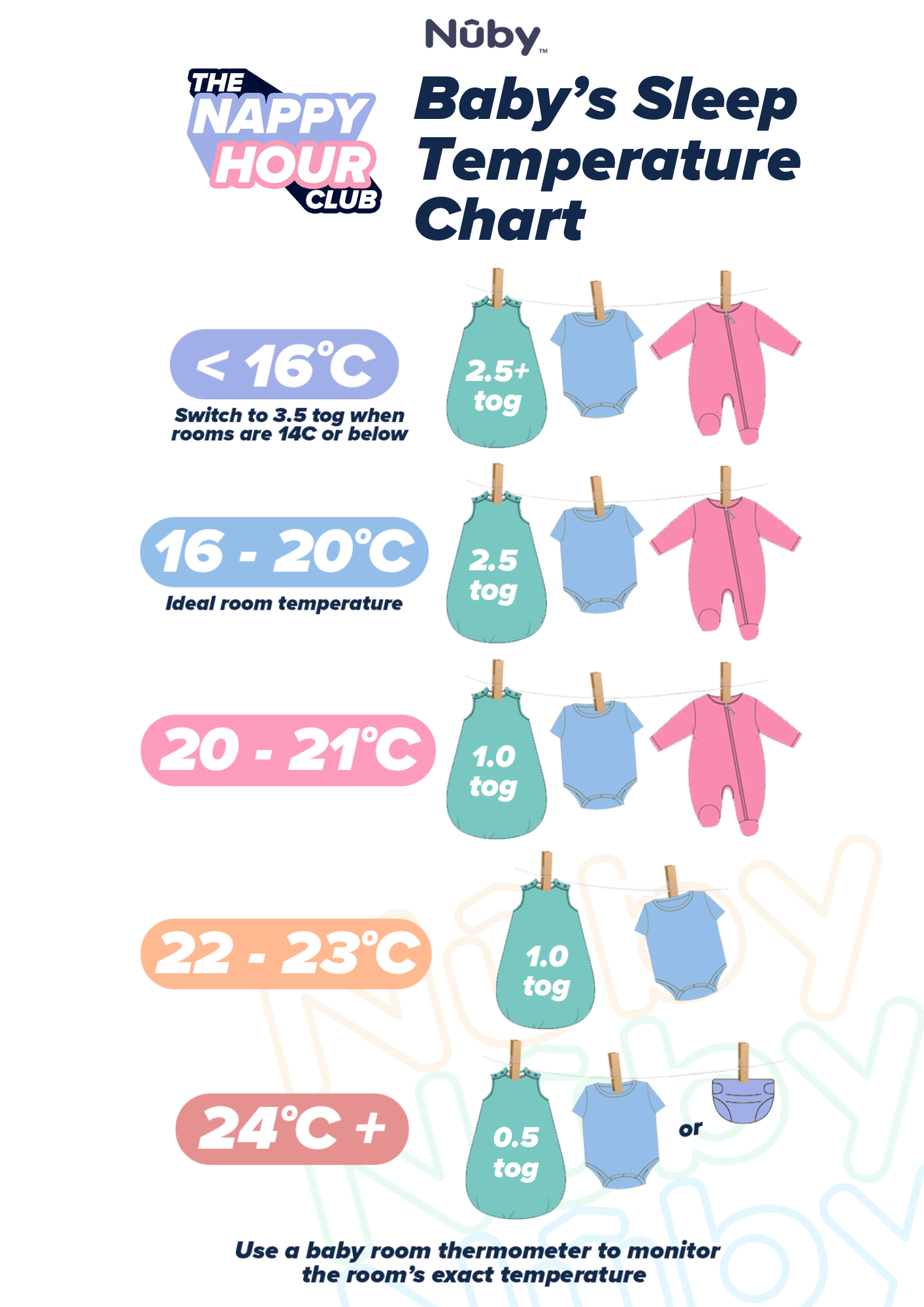
A room that feels comfortable to an adult may be too warm for a bundled baby. There is no need to keep a home extremely warm. Use a room thermometer if you are unsure, but focus on the baby’s chest, clothing, and behavior rather than chasing one perfect room temperature.

Common mistakes to avoid
Relying only on hands and feet
A newborn’s hands and feet can feel cool while the body is warm enough. Check the chest or back instead.
Adding many layers after a low reading
First confirm the reading with a correct method. Remove wet clothing, warm the baby gently, and contact a clinician if the temperature stays low. Do not wrap a baby in thick blankets or place them near direct heat.
Treating a fever at home in a very young baby
A fever of 100.4°F (38°C) or higher in a baby under 3 months needs prompt medical guidance. Do not give acetaminophen or ibuprofen without advice. Ibuprofen is not recommended for babies under 6 months unless a clinician specifically directs its use.
Using a cold bath or alcohol rub
Cold water can cause shivering and more heat loss. Alcohol rubs can be toxic and should never be used to lower a baby’s temperature.
Putting a hat on a sleeping baby
Babies lose heat through the head, but indoor sleep hats can contribute to overheating and may slip over the face. Use safe clothing layers instead.
Assuming a normal reading rules out illness
A temperature is only one sign. A baby who is hard to wake, breathing poorly, feeding badly, or showing unusual skin color needs medical assessment even if the thermometer reading is normal.


Key takeaways
- Babies can regulate temperature at birth, but newborn control is still immature.
- Most healthy, full-term babies improve over the first 3 to 6 months.
- Premature, small, or sick babies may need extra support for longer.
- Check the chest or back, not just the hands and feet.
- For infants under 3 months, a rectal temperature of 100.4°F (38°C) or higher needs prompt medical advice.
- Use light layers, safe sleep practices, and a firm, clear sleep surface.
- Never use direct heat, loose blankets, cold baths, or alcohol rubs.
Frequently asked questions
Can a 1-month-old regulate body temperature?
Yes, but not as well as an older child. A 1-month-old can maintain a safe temperature in a suitable environment, yet still depends on caregivers for proper clothing, safe sleep, and protection from heat and cold.
When do babies stop needing an extra layer?
There is no fixed age. Many babies need about one more light layer than an adult in the same setting during the first months. Check the baby’s chest or back and remove a layer if the skin is hot, sweaty, or flushed.
Do babies get cold at night?
They can, especially if they are premature, underdressed, wet, or in a cold room. Use a well-fitting sleep sack and appropriate clothing. Do not use loose blankets, hats, or heating devices in the sleep space.
Should a baby’s hands and feet feel warm?
Not always. Cool hands and feet are common in newborns. Check the chest or back and watch for poor feeding, unusual sleepiness, pale or blue skin, or a low temperature.
Can overheating cause sudden infant death syndrome?
Overheating is associated with a higher risk during sleep. To reduce risk, keep the baby’s head and face uncovered, avoid heavy clothing and loose bedding, and use a firm, flat sleep surface. Follow current safe-sleep guidance from the American Academy of Pediatrics.
What should I do if my baby feels hot but the thermometer is normal?
Remove one light layer, move the baby away from direct heat, and check again after a few minutes. If the baby seems ill, has breathing trouble, feeds poorly, or remains unusually sleepy, contact a health care professional.
Sources and further reading
- American Academy of Pediatrics: Safe Sleep and SIDS Prevention
- American Academy of Pediatrics: How to Take a Child’s Temperature
- American Academy of Pediatrics: Fever and Your Baby
- Centers for Disease Control and Prevention: Infant Safety
- World Health Organization: Thermal Protection of the Newborn
Conclusion
Babies begin regulating body temperature at birth, but newborns cannot manage heat and cold as well as older children. Most healthy full-term babies improve during the first few months, while premature or ill babies may need longer-term support.
Use adjustable layers, safe sleep habits, and a dependable thermometer. When a young baby has a temperature of 100.4°F (38°C) or higher, a persistently low temperature, or signs of illness, contact a medical professional promptly.
