
In the United States, most babies wear size 1 diapers for about one to three months. Many size 1 diapers fit babies who weigh 8 to 14 pounds, but the exact range depends on the brand and diaper style.
Some babies start in size 1 diapers at birth. Others wear newborn diapers first and move to size 1 within a few weeks. Weight, body shape, growth rate, and diaper fit all matter more than age.
Quick answer
A baby may stay in size 1 diapers for a few weeks or several months. Check the weight range on the package, but use fit as the final guide. If the diaper leaves deep marks, leaks often, or will not close comfortably, it may be time to move up.

What size 1 diaper means
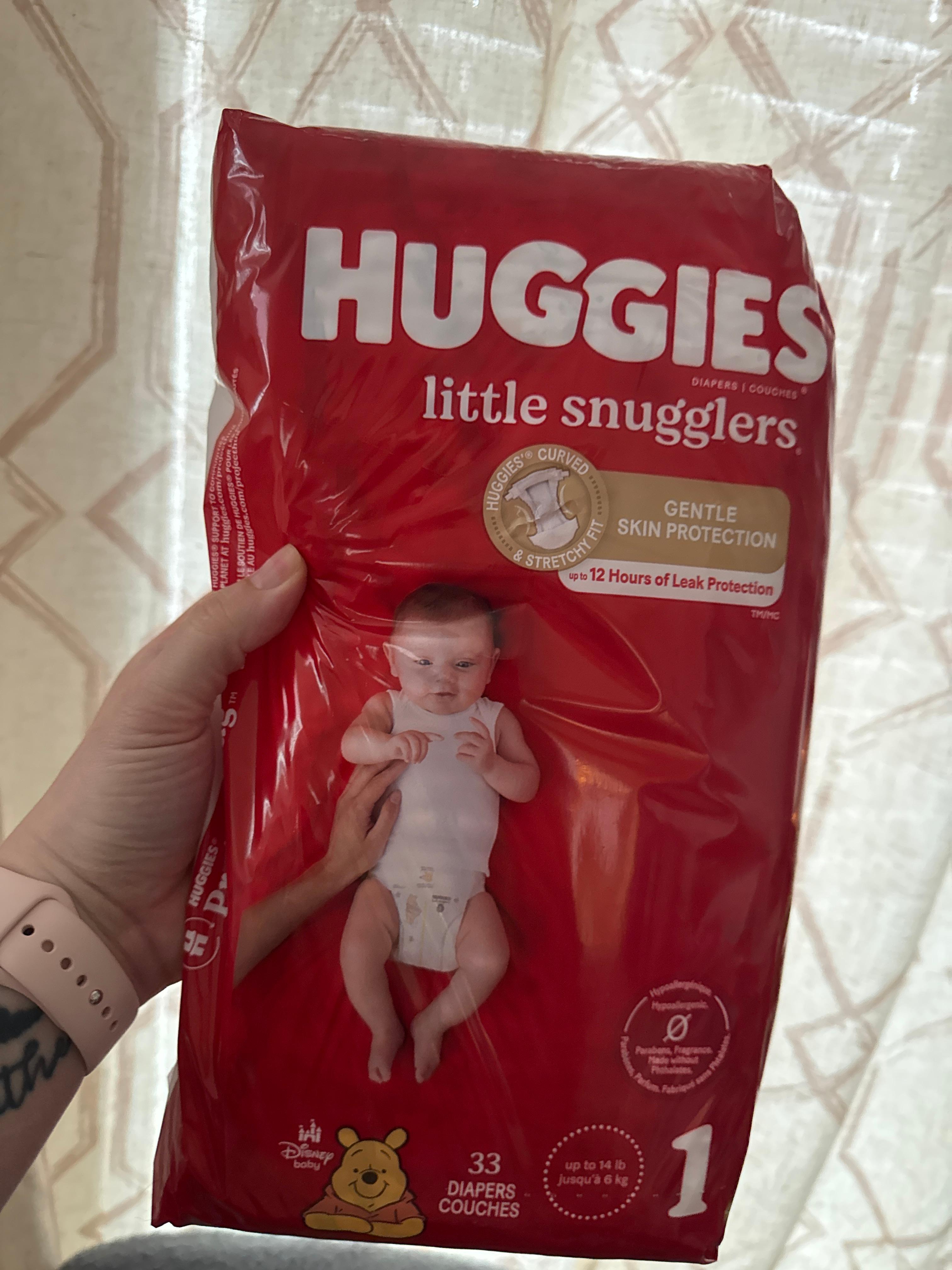
A size 1 diaper is made for small infants who have outgrown newborn diapers but are not yet ready for size 2. In many US diaper brands, size 1 covers babies from about 8 to 14 pounds.


This range is not a strict rule. Diaper makers use different materials, shapes, and sizing methods. For example, one brand’s size 1 diaper may fit well at 8 pounds, while another may fit better closer to 10 pounds.
Always check the size chart on the specific package. The same brand may also have different fit ranges for:
- Standard disposable diapers
- “Small” or “slim” designs
- Overnight diapers
- Pull-on diapers
- Cloth diaper covers
- Store-brand diapers
Typical US size 1 weight ranges
| Diaper type or brand category | Common size 1 range |
|---|---|
| Many major disposable brands | 8–14 pounds |
| Some store brands | 8–14 pounds |
| Narrow or slim-fit designs | May fit differently |
| Cloth diapers | Usually measured by weight and rise, not numbered size |
These ranges are general examples, not medical or personal predictions. The package label is the best source for a particular diaper.
How long do babies usually wear size 1 diapers?
Most babies wear size 1 diapers for about one to three months, but there is a wide normal range.
A small newborn may wear newborn diapers for several weeks before moving to size 1. A larger newborn may begin with size 1 right away. Some slow-growing babies may stay in size 1 longer, while fast-growing babies may move to size 2 sooner.
Age is only a rough guide:
- Birth to 1 month: Some babies wear newborn diapers; others wear size 1.
- Around 1 to 3 months: Many babies wear size 1.
- Around 2 to 4 months: Some babies begin moving to size 2.
- After 3 months: Many babies have moved up, but some still fit size 1.
These age ranges are estimates. A baby’s weight and the way the diaper fits are more useful than the calendar.
A simple way to estimate diaper time
You can estimate how long your baby may use size 1 by looking at:
- Your baby’s current weight.
- The size 1 weight range on your chosen brand.
- Your baby’s recent growth pattern.
- The fit around the waist, legs, and bottom.
For example, suppose a diaper brand lists size 1 as 8 to 14 pounds. A baby who weighs 9 pounds has more room to grow than a baby who weighs 13 pounds. If the baby gains weight quickly, the larger size may be needed soon.


This is only a rough estimate. Babies do not gain weight at the same rate, and diaper cuts differ by brand.

When should you move from size 1 to size 2?
Move to size 2 when the size 1 diaper no longer fits well, even if your baby is still within the printed weight range.
Look for these signs:
- The diaper leaves deep red marks around the waist or thighs.
- The tabs do not meet comfortably in the front.
- The diaper sits low on the back or belly.
- Leaks happen more often than before.
- Bowel movements escape around the legs or back.
- The diaper looks tight between the baby’s legs.
- You need to fasten the tabs at their widest setting.
- The diaper becomes full or saggy very quickly.
A larger diaper often solves leaks caused by a tight fit. However, leaks can also come from incorrect placement, a poor brand fit, or a diaper that is not fully opened.
The “two-finger” fit check
After fastening the diaper, you should generally be able to place about two fingers between the diaper and your baby’s waist. The diaper should feel snug but not tight.
Check the leg openings, too. Run a clean finger around each leg to pull out the inner ruffles. If the ruffles are tucked in, urine or stool may leak even when the diaper is the right size.
Do not make the diaper loose just to avoid marks. A loose diaper can leak and may shift out of place.

How do you know if size 1 is too big?
A diaper can also be too large. Signs include:
- Large gaps around the legs.
- Frequent leaks despite proper placement.
- The diaper slides down at the back or front.
- The tabs overlap far past the usual fastening area.
- The diaper bunches between the legs.
- The inner lining does not sit against the baby’s body.
- The diaper looks bulky and uncomfortable.
If a new size leaks, check the fit before moving back down. Make sure the diaper is centered, the leg ruffles are pulled out, and the penis points down before fastening for a boy.
A smaller diaper may fit better if the larger size has gaps. Some babies also need a different brand because diaper shapes vary.
How many size 1 diapers should you buy?
Newborns may use 8 to 12 diapers per day, though the number varies. That means a baby could use roughly 240 to 360 diapers in one month.
Because babies grow at different speeds, avoid buying too many size 1 diapers before you know how long they will fit. A practical starting point is:
- One or two small packages before birth
- More diapers after you confirm the fit
- A mix of brands if you are unsure which shape works best
- A few size 2 diapers available for the next stage
This approach can prevent wasted diapers. A baby may outgrow size 1 before using a large stockpile.


A simple diaper calculation
Use this formula:
Estimated diapers needed = diapers per day × number of days
For example:
- 10 diapers per day × 14 days = 140 diapers
- 8 diapers per day × 21 days = 168 diapers
These figures are planning examples, not a promise of how many your baby will use. Newborn feeding, stool patterns, overnight changes, and skin needs can change daily use.
What if size 1 diapers leak?
Leaks do not always mean the diaper is too small. Check the most common causes in this order:
- Open the leg ruffles. Pull the inner gathers away from the baby’s skin.
- Center the diaper. Make sure the front and back sit at the correct height.
- Point the penis downward. This helps direct urine into the absorbent area.
- Check the waist. Fasten the tabs evenly.
- Change the diaper more often. A very full diaper can leak.
- Try the next size. A larger absorbent area may help.
- Try another brand. Different brands fit different body shapes.
For girls, wipe from front to back during changes. For all babies, change wet or soiled diapers often and clean the skin gently.
If leaks happen only overnight, an overnight diaper may help once your baby is large enough for that product. Do not use a loose diaper or add an unsafe insert to a disposable diaper.

Can a baby wear size 1 diapers at birth?
Yes. Some babies in the United States wear size 1 diapers from birth, especially if they are near or above the brand’s lower weight range.
Newborn diapers often fit babies below about 10 pounds, while size 1 often begins around 8 pounds. This creates an overlap. A baby may fit either size, depending on body shape and the diaper’s cut.
For a newborn, check the area around the umbilical cord. Some newborn diapers have a notch or lower front that helps keep the diaper away from the healing cord. If a size 1 diaper rubs the cord, fold the front down or use a newborn design until the area heals.
Follow your health care professional’s advice if the cord becomes red, swollen, warm, painful, or has a foul-smelling discharge.
Does a baby’s weight predict diaper size?
Weight provides a useful starting point, but it does not determine diaper size by itself.
Two babies who weigh 12 pounds may need different diapers. One may have a rounder waist, thicker thighs, or a longer torso. Another may be slim and need a narrower cut.
Use weight to choose a starting size, then use these fit points:


- The diaper covers the baby’s bottom.
- The back reaches high enough to contain stool.
- The leg openings touch the skin without digging in.
- The waist closes without strain.
- The baby can move the legs freely.
- There are no repeated leaks or blowouts.
Growth charts from the Centers for Disease Control and Prevention can help track growth, but they do not select a diaper size. A pediatric health professional can help if you have concerns about feeding, weight gain, or growth.

Size 1 diapers compared with newborn and size 2
| Size | Common weight range in US products | Typical use |
|---|---|---|
| Newborn | Up to about 10 pounds | Smaller newborns and early weeks |
| Size 1 | About 8–14 pounds | Small infants after or instead of newborn size |
| Size 2 | About 12–18 pounds | Babies who have outgrown size 1 |
The weight ranges overlap on purpose. They allow parents to choose the better fit for a baby’s shape.
A baby may need size 2 at 12 pounds in one brand but still fit size 1 in another. When the ranges overlap, choose the diaper that fits without gaps, tight marks, or frequent leaks.
Common mistakes when choosing size 1 diapers
Buying only by age
Age ranges are easy to remember, but babies grow at different rates. A three-month-old may fit size 1, size 2, or another size depending on weight and body shape.
Waiting for every sign before sizing up
You do not need to wait for repeated blowouts. If the tabs barely close or the diaper leaves deep marks, try the next size.
Assuming a leak always means the diaper is too small
Placement, leg ruffles, absorbency, and brand shape can all cause leaks. Check these before changing sizes.
Stocking up before testing the fit
A large box may seem convenient, but babies can outgrow a size quickly. Test a smaller pack first when possible.
Ignoring skin irritation
A rash may come from moisture, stool, friction, yeast, or another cause. Change diapers often and keep the area clean and dry. Contact a pediatric health professional if the rash is severe, spreads, blisters, bleeds, lasts more than a few days, or comes with fever.

When should you call a pediatric health professional?
Diaper size is usually a routine shopping decision, but some problems need medical advice.
Contact your baby’s health care professional if:
- Your baby has much fewer wet diapers than expected.
- You are concerned about dehydration.
- The skin is broken, bleeding, blistered, or infected.
- A rash does not improve with basic care.
- Your baby has fever or seems unusually unwell.
- You have concerns about weight gain or feeding.
- Stool repeatedly leaks despite a correct diaper fit and normal stool pattern.
Do not restrict fluids or change feeding based only on diaper use. For young infants, ask a pediatric professional about the expected number of wet diapers.
Frequently asked questions
Is size 1 the same in every diaper brand?
No. Many US brands place size 1 around 8 to 14 pounds, but the fit can differ. Always check the package chart and compare how the diaper fits your baby.
Can a 10-pound baby wear newborn diapers?
Possibly. If the newborn diaper closes comfortably, covers the bottom, and does not leave deep marks or leak, it may still fit. Move to size 1 when the newborn diaper becomes tight or hard to fasten.


How many hours can a baby wear a size 1 diaper?
There is no single safe number of hours for every baby. Change the diaper when it is wet or soiled. Change a soiled diaper promptly, and check young babies often because they may need frequent changes.
Should I size up if my baby has blowouts?
Often, yes, especially if stool escapes at the back or legs and the diaper looks tight. First check that the diaper is centered and the ruffles are pulled out. If the fit still looks strained, try the next size.
Can I use size 1 diapers overnight?
You can use them overnight if they fit well and do not become overly full or leak. Change a soiled diaper promptly. If the diaper repeatedly leaks overnight, check the fit, change before bed, or consider a suitable larger or overnight design.
Are cloth diapers labeled size 1?
Usually not. Cloth diapers often use weight ranges, rise settings, or terms such as newborn, small, one-size, and large. Follow the manufacturer’s fit instructions rather than comparing cloth sizes directly with disposable size 1.
Bottom line
Most babies in the United States wear size 1 diapers for about one to three months, but some use them for only a few weeks and others for longer. The common size 1 range is about 8 to 14 pounds, though brands vary.
Choose the size that gives your baby a snug waist, secure leg seal, full bottom coverage, and room to move. If the diaper leaves deep marks, leaks often, or barely closes, move up to size 2 or try a different fit.
