
Most babies start showing real tears around 2 to 8 weeks, though some may take up to 3 months.
Wondering when do babies get tears is common, especially when your newborn cries with a dry face. Newborn eye glands are present at birth, but they often make only enough moisture to protect the eyes. This guide explains the normal timeline, why some babies tear earlier or later, and which signs need medical care.
When do babies get tears?
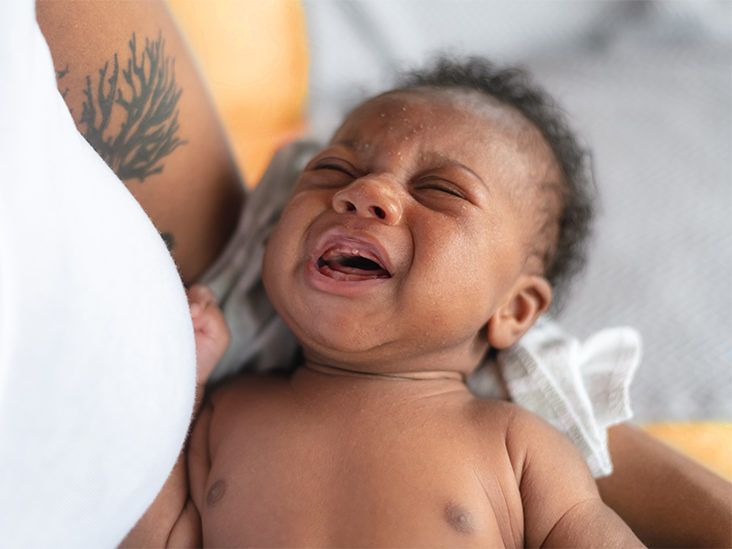
Most babies get visible tears between 2 and 8 weeks of age. Some babies may show tears sooner, while others may not have obvious tears until about 3 months. Both patterns can be normal when the baby feeds well, wets diapers, and seems alert between cries.
At birth, a baby has tear glands, also called lacrimal glands. These glands produce a small amount of fluid that keeps the eyes moist. However, they may not yet make enough fluid to form tears that roll down the cheeks.
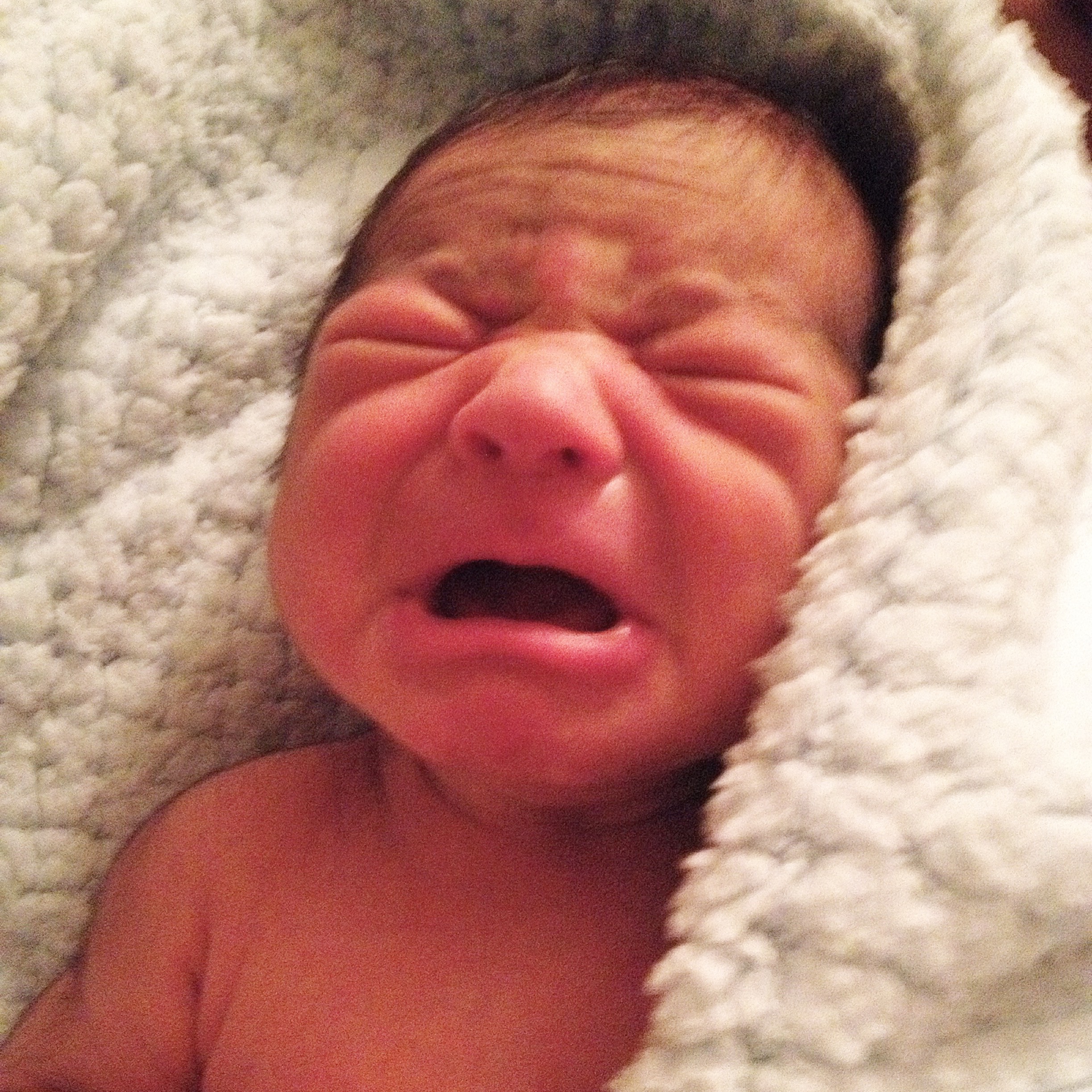
This is why many newborns cry loudly without visible tears. The cry is real, even when the cheeks stay dry. Crying is a baby’s main way to signal hunger, discomfort, tiredness, heat, or the need for comfort.
So, when do babies get tears? In most cases, visible tears appear during the first few months. The exact timing can vary because babies develop at slightly different rates.

Why do newborns cry without tears?
A newborn’s tear system is still developing. The eyes need moisture from the start, but the body may not yet produce the larger volume of tears seen in older babies and adults.
Think of it like a small faucet. It is working, but it does not yet release enough water to run down the sink. As the tear glands mature, they usually produce more fluid during strong crying.
Several normal factors can affect how much you see:
• Age: Very young newborns often cry without visible tears.
• Cry strength: A short fuss may not produce enough tears to notice.
• Lighting: Small tears can be hard to see, especially in dim light.
• Individual growth: Some babies develop visible tear production earlier than others.
• Eye moisture: A baby can have healthy, moist eyes without tears running down the face.
Parents sometimes worry that dry cheeks mean something is wrong. In most healthy newborns, it does not. The overall picture matters more than the presence of tears alone.
When do babies get tears during crying?
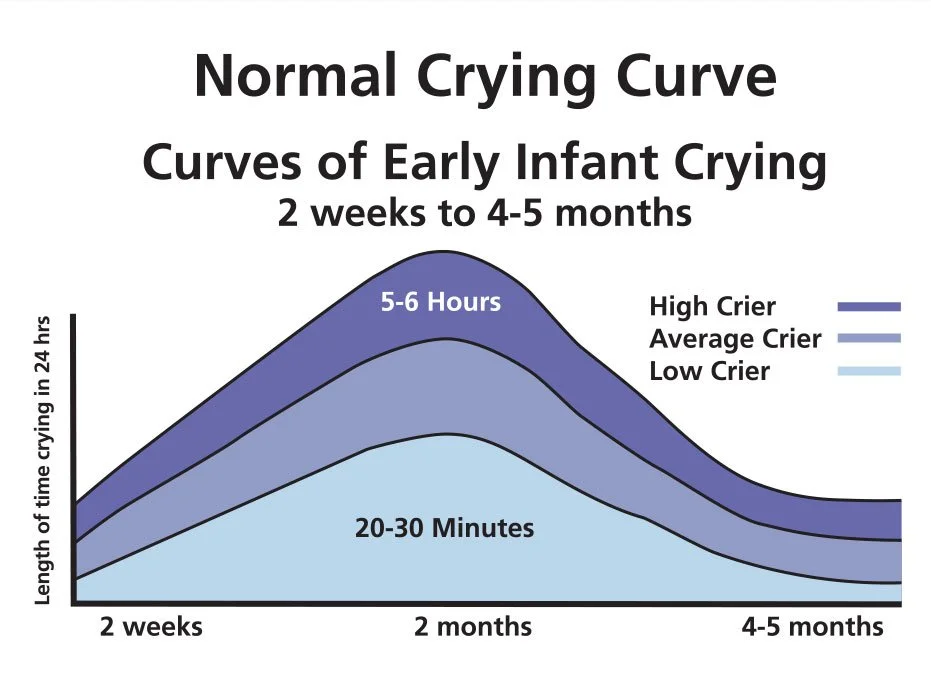
Babies may show tears during a long or intense cry before they show them during mild fussing. The body may need time to increase tear production, so the first visible tears can appear after several minutes of crying.
You may notice a small shine in the eyes before tears reach the cheeks. This is often the first clear sign that the tear glands are becoming more active. Over time, tears may appear more often and in larger amounts.
The answer to when do babies get tears is not tied to one exact day. A baby who has no visible tears at 4 weeks may still be developing normally. A baby who has tears at 2 weeks may also be perfectly healthy.
It is helpful to watch other signs of well-being:
• The baby has regular wet diapers.
• The baby feeds well.
• The baby wakes for feeds and responds to voices or touch.
• The eyes look clear, moist, and comfortable.
• There is no major swelling, pus, or intense redness.
If these signs are present, delayed visible tears are usually not a concern.
When do babies get tears because of eye development?
Tears have several jobs. They keep the surface of the eye smooth, wash away tiny particles, and help protect against infection. A healthy tear film also supports clear vision.
The tear system includes the tear glands, tiny openings near the eyelids, and tear ducts that drain fluid into the nose. Newborns have this system, but it may not work at full capacity yet.
This normal development explains why when do babies get tears can have a wide answer. The glands may produce enough moisture for eye health before they produce enough fluid for visible crying tears.
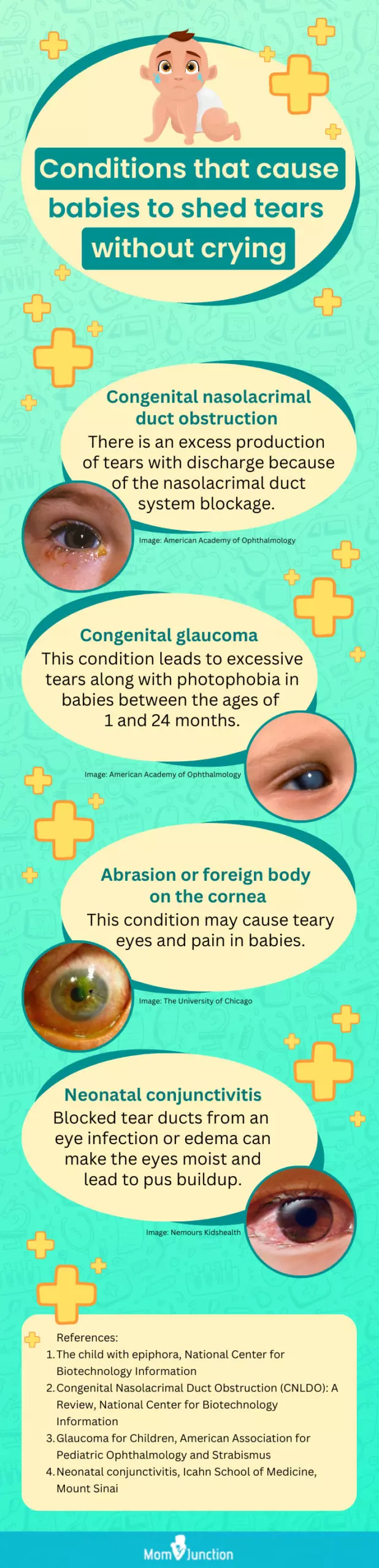
Babies also have narrow tear ducts. This can make tears collect near the eyes once tear production increases. A blocked or narrow tear duct may cause a watery eye, mild crusting, or tears on one side.
Most blocked tear ducts open on their own during the first year. A pediatric clinician may suggest gentle cleaning or massage, but parents should ask for instructions before applying pressure near a baby’s eye.
When do babies get tears, and what is normal?
Normal variation is broad. Some babies show tears at 2 weeks. Others may not have obvious tears until 6 to 12 weeks. The timing may also differ between the two eyes.
A baby may have tears in one eye first. This can happen when one tear duct or gland matures sooner. It is usually less concerning when the eye looks calm and the baby acts well.
Normal signs can include:
• No tears during the first several weeks.
• A small amount of clear moisture in the eyes.
• Tears that appear only during strong crying.
• Mild crusting after sleep.
• Occasional watering without redness.
Do not compare your baby too closely with a sibling, friend’s baby, or online post. Development does not follow a perfect calendar. When do babies get tears depends partly on normal individual differences.

When should a lack of tears be a concern?
A lack of visible tears alone is rarely an emergency. However, it can be a dehydration warning when it appears with other symptoms.
Call your baby’s healthcare professional promptly if your baby has:
• Fewer wet diapers than usual.
• A dry mouth or tongue.
• Poor feeding or repeated vomiting.
• Unusual sleepiness or difficulty waking.
• A sunken soft spot on the head.
• A weak cry or marked weakness.
Seek urgent care if your baby looks seriously ill, has trouble breathing, cannot keep fluids down, or is difficult to wake. Young babies can become dehydrated quickly, especially with fever, diarrhea, or vomiting.
When do babies get tears can also matter if a baby is older than about 3 months and never produces visible tears during strong crying. This does not always mean a problem, but it is worth discussing with a pediatric professional.
A clinician may check hydration, eye moisture, tear production, and the tear ducts. They may also ask about feeding, urine output, illness, and medications.
Eye symptoms that need medical attention
Some eye symptoms deserve more attention than delayed tears. Contact a healthcare professional if you notice:
• Thick yellow or green discharge.
• Eyelids stuck shut again and again.
• Strong redness in the white part of the eye.
• Swelling around the eye.
• Light sensitivity.
• A cloudy-looking cornea.
• A pupil that looks unusual.
• Clear watering from only one eye that persists.
• Pain, severe fussiness, or trouble opening the eye.
A newborn with significant eye redness or pus should be assessed promptly. Certain infections can affect newborns and need prescription treatment.
Do not use breast milk, herbal drops, leftover medicine, or adult eye drops in a baby’s eye unless a healthcare professional tells you to do so. These products may irritate the eye or delay proper treatment.
How to care for a baby’s eyes
Simple care is usually enough. Wash your hands before touching your baby’s face or eyes. If there is mild crusting, use clean cotton or a soft cloth dampened with sterile saline or clean water.
Wipe gently from the inner corner outward. Use a fresh part of the cloth for each wipe. If both eyes need cleaning, use a separate clean pad for each eye to reduce the spread of germs.
You can also follow these safe habits:
• Keep fingernails short.
• Avoid rubbing the baby’s eyes.
• Do not share towels or washcloths.
• Keep smoke, dust, and strong fragrances away from the baby.
• Ask a clinician before using eye drops.
• Attend routine well-child visits.
Parents often ask when do babies get tears because they want to know whether they should stimulate the eyes. There is no need to rub, squeeze, or massage the eyes to make tears appear. Normal development will take its course.
A practical way to track tear development
You do not need to test your baby for tears each day. Instead, watch for broad changes and write down anything unusual.
A simple checklist can help:
Note your baby’s age.
Look for clear moisture during strong crying.
Check whether both eyes look comfortable.
Track wet diapers and feeding.
Record redness, discharge, swelling, or fever.
Share the pattern at the next visit.
This approach prevents a common mistake: focusing on one sign while missing the full health picture. A baby with dry cheeks but good feeds and normal urine output is usually less concerning than a baby with tears, poor feeding, and very few wet diapers.
In everyday pediatric care, clinicians often assess hydration through several clues rather than tears alone. Tears are helpful, but they are not a stand-alone health test.
Common myths about baby tears
Myth: Newborns cannot make tears
Newborns can make a small amount of tear fluid. They often do not produce enough for tears to roll down their cheeks during the first weeks.
Myth: Every baby should have tears by one month
There is no single deadline that fits every healthy baby. Many babies show tears by 2 to 8 weeks, but some take longer.
Myth: Crying without tears always means dehydration
Dry crying can be normal in a young newborn. Dehydration is more likely when there are also fewer wet diapers, poor feeding, a dry mouth, vomiting, or unusual sleepiness.
Myth: More tears always mean healthier eyes
Watery eyes can occur with a blocked tear duct, irritation, allergies, or infection. Tear volume alone does not prove that the eyes are healthy.
Myth: Parents should massage the eye to create tears
The eye should not be rubbed or pressed. If a baby has a blocked tear duct, a pediatric professional can show you the right technique.
Frequently Asked Questions
When do babies get tears for the first time?
Most babies show visible tears between 2 and 8 weeks of age. Some may take up to 3 months, and this can still be normal if they otherwise seem healthy.
Is it normal for a newborn to cry without tears?
Yes. Newborns often cry without visible tears because their tear glands are still developing. Check feeding, wet diapers, alertness, and eye comfort as well.
When do babies get tears if they are dehydrated?
A lack of tears may occur with dehydration, but it is not enough to diagnose it. Fewer wet diapers, a dry mouth, poor feeding, vomiting, and unusual sleepiness are more important warning signs.
Should I worry if my baby has tears in only one eye?
One-sided tearing can occur with a narrow or blocked tear duct. Contact a healthcare professional if it continues or comes with redness, swelling, pain, or thick discharge.
Can breast milk treat a baby’s watery or irritated eye?
Do not place breast milk or any unapproved liquid in a baby’s eye. Ask a pediatric professional for advice, especially if there is redness, swelling, or discharge.
When should I call the doctor about my baby’s eyes?
Call promptly for significant redness, swelling, pus, pain, light sensitivity, a cloudy eye, or a baby who seems unwell. Also discuss the issue if your baby is older than about 3 months and never shows tears during strong crying.
Conclusion
So, when do babies get tears? Most begin showing visible tears between 2 and 8 weeks, while some take closer to 3 months. Crying without tears is often normal in early newborn life, but signs such as poor feeding, fewer wet diapers, eye swelling, redness, or discharge need medical advice.
Focus on your baby’s full pattern of health instead of one milestone. Keep the eyes clean, avoid unapproved drops, and bring questions to your pediatric professional. Save this guide for reference, and explore trusted infant-care resources as your baby grows.