
Baby oil can lock in moisture for many people, but it is not a universal skin cure.
I have worked in skincare writing and tested gentle products for years. I know the science behind oils, occlusives, and sensitive skin. This article answers the core question: is baby oil good for your skin? I will explain what baby oil does, who benefits, who should avoid it, safe ways to use it, and better alternatives if needed. Read on for clear guidance, real-life tips, and simple steps you can use today.
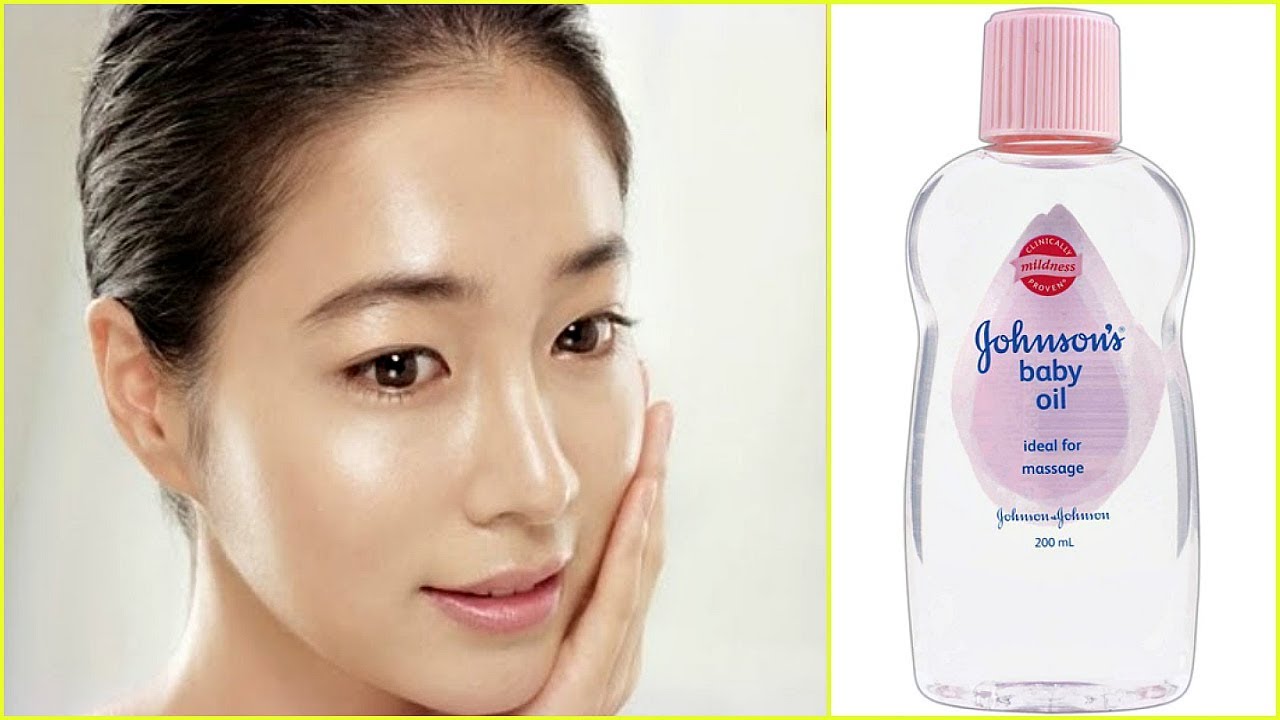
What is baby oil?
Baby oil is a clear, lightly scented oil. Most commercial baby oils are mainly mineral oil. Mineral oil is a refined petroleum derivative. Some versions add fragrance or natural oils. Baby oil is designed to be mild and to form a light barrier on skin.
Baby oil is not meant to feed the skin. It is an occlusive. It helps trap water already on the surface. That effect makes it useful after bathing or on dry spots.

How baby oil works on skin and why people ask "is baby oil good for your skin"
When people ask "is baby oil good for your skin" they mean two things. They want to know if it hydrates and if it is safe. Baby oil seals moisture. It slows water loss. That makes skin feel softer and smoother fast.
Baby oil does not add water or rebuild damaged skin. It sits on top of the skin. For many, that is enough to stop roughness. For others with acne or very sensitive skin, the barrier effect can trap oil and bacteria. Learn when to use it and when to skip it.

Benefits of baby oil for skin
Baby oil can be useful in several ways. Keep points short and practical.
- Moisture locking: It prevents transepidermal water loss after a shower. This helps dry skin feel less tight.
- Smooth texture: It makes rough patches, elbows, and heels feel soft quickly.
- Low cost and wide availability: It is cheap and easy to find.
- Multipurpose use: People use it for massage, makeup removal, and softening cuticles.
- Gentle formula options: Unscented formulas reduce irritation risk for many users.
When you ask "is baby oil good for your skin," the simple answer is that it can be a good occlusive step in a routine for people with dry skin.

Limitations and risks of baby oil
Baby oil is not perfect for everyone. Know the downsides.
- It can trap sweat, dirt, and sebum under the skin. That may worsen acne or folliculitis.
- Fragranced versions can irritate sensitive skin and cause rashes.
- It does not provide hydration on its own. You still need water or a humectant first.
- Some people worry about petroleum derivatives. Refined mineral oil used in cosmetics is generally considered safe, but preferences vary.
- It is not ideal for broken skin, open wounds, or active eczema flares without medical advice.
If you are asking "is baby oil good for your skin" because you have acne or rosacea, be cautious. Test first on a small area.

How to use baby oil safely on different skin types
Follow these practical steps to minimize risk and get results.
- For dry skin:
- Use after a warm shower on damp skin. Pat dry, then apply a few drops. This seals in moisture.
- For oily or acne-prone skin:
- Avoid regular facial use. If you try it, do a patch test on your jawline and watch for breakouts.
- For sensitive skin:
- Choose unscented, hypoallergenic formulas. Do a patch test on the inner forearm for 48 hours.
- For babies:
- Use sparingly and avoid inhalation near the nose. Clean hands first and avoid applying to areas prone to heat rash.
- For massage or makeup removal:
- Use a small amount and rinse well if needed. Cleanse after makeup removal to avoid residue build-up.
Always stop use if redness, itching, or pimples appear. That will help you answer your own "is baby oil good for your skin" question safely.

Alternatives to baby oil and when to choose them
If baby oil does not suit you, there are good replacements.
- Mineral oil (100% medical-grade) and petroleum jelly: Strong occlusives for very dry skin.
- Jojoba oil: A light plant oil that mimics skin sebum and is less likely to clog pores.
- Squalane oil: Lightweight and good for many skin types, including sensitive skin.
- Coconut oil: Moisturizing but more comedogenic; avoid on acne-prone faces.
- Glycerin or hyaluronic acid plus a cream: Use humectants to draw water in, then seal with an occlusive.
When deciding "is baby oil good for your skin," try an alternative if you get irritation or breakouts. Each skin type reacts differently.

My experience and practical tips
I have used baby oil in winter for dry hands and elbows. It worked fast to smooth rough spots. I learned a few lessons.
- Patch test first. I once used fragranced oil and got a rash on my wrist. I switched to unscented and had no issue.
- Use on damp skin. It locks in more moisture than on dry skin.
- Avoid on the face if you are acne-prone. I saw clogged pores when I applied it to my T-zone.
- Combine with a humectant. Apply a glycerin serum then seal with a tiny amount of baby oil for long-lasting softness.
These tips come from trial and from reading product safety guidance. They help you use baby oil wisely and answer "is baby oil good for your skin" based on your needs.

Frequently Asked Questions
Is baby oil safe for all skin types?
Baby oil is safe for many people but not for everyone. Those with acne, rosacea, or fragrance sensitivity should be cautious and do a patch test first.
Can baby oil cause acne or clogged pores?
It can for some people. Baby oil is occlusive and may trap oils and bacteria, which can lead to breakouts on acne-prone skin.
How should I use baby oil for dry skin?
Apply a small amount on damp skin after bathing. Pat skin dry, then gently massage the oil to seal moisture.
Is baby oil good for your skin if you have eczema?
Baby oil can help by sealing moisture, but it may irritate during flares or if fragranced. Ask a dermatologist before using it on active eczema.
Can I use baby oil to remove makeup?
Yes, baby oil can dissolve makeup. Use gently and follow with a mild cleanser to remove residue.
Is it safe to use baby oil on babies’ skin?
Many parents use it safely, but use sparingly, avoid the face and diaper area, and choose unscented formulas. Keep the oil away from the baby’s nose to prevent inhalation.
Will baby oil make my skin softer overnight?
Yes, baby oil can soften skin overnight by sealing in moisture. Apply a light layer on damp skin before bed for best results.
Conclusion
Baby oil can be a useful, low-cost occlusive to keep skin soft and to stop water loss. It is most helpful for dry areas and as a sealing step after moisturizing. However, it is not a moisturizer on its own and can cause issues for acne-prone or very sensitive skin. Test patches, choose unscented formulas, and use on damp skin to get the best results. Try one of the alternatives if you notice irritation or breakouts.
Take action today: test a small area, try the damp-skin method, and share your results or questions below. If you liked this guide, subscribe for more clear, practical skin care tips.