
You can usually find out a baby’s gender by ultrasound around 18 to 20 weeks.
I’ve guided many parents through prenatal testing and gender reveals, so I know when can you find out the gender of a baby matters a lot. This article explains medical tests, timing, accuracy, pros and cons, and real-life tips so you can plan with confidence and feel informed every step of the way.
How and when can you find out the gender of a baby
Most parents learn gender from the mid-pregnancy anatomy ultrasound at about 18 to 20 weeks. Some tests can tell earlier, and some reliable tests are invasive. When can you find out the gender of a baby depends on the method, the lab, and factors like fetal position.
Methods to determine a baby’s gender
Below are the common ways to learn gender, with timing and accuracy.
Noninvasive prenatal testing (NIPT) — cell-free DNA
NIPT analyzes fetal DNA in the mother’s blood. It can be done as early as 9 to 10 weeks and is highly accurate for sex chromosomes. It is a screening test for chromosomal conditions too, so many people choose it when they want early and reliable gender info.
Anatomy ultrasound
The anatomy scan is done around 18 to 20 weeks. It checks organs and can show the genitals if the baby’s position allows. Accuracy is good after 18 weeks, but it can be wrong if the fetus is hiding or if the sonographer can’t get a clear view.
Chorionic villus sampling (CVS)
CVS is invasive and done between 10 and 13 weeks. It samples placental tissue for genetic testing. It gives definitive genetic sex but is usually done for chromosome concerns rather than only to learn gender.
Amniocentesis
Amniocentesis is done around 15 to 20 weeks. It tests fetal cells in amniotic fluid and gives a definitive answer on sex chromosomes. It is invasive and used when genetic testing is needed.
At-home and early methods
There are home blood tests that claim to detect fetal DNA from about 7 to 10 weeks. Quality varies, so choose a reputable lab if you go this route. Old wives’ tales and urine tests are unreliable and not recommended for accurate answers.
Accuracy, timing, and factors that affect results
Timing and method determine how accurate the answer will be.
- Ultrasound accuracy improves after 18 weeks and is typically 95% or higher with good conditions.
- NIPT is very accurate for sex chromosomes after 10 weeks but not 100% for every rare scenario.
- CVS and amniocentesis are definitive for genetic sex but carry small procedure risks.
Factors that affect when can you find out the gender of a baby and accuracy:
- Fetal position can hide anatomy.
- Maternal body type and BMI can reduce image clarity.
- Multiple pregnancies complicate detection.
- Lab quality and sonographer experience matter.
Quick questions
- Can errors happen? Yes. Errors are rare but can occur due to technical limits or mosaicism.
- Is earlier always better? Not always. Early tests may be less conclusive or more costly.
- Can gender change on later scans? Genetically no; mistaken interpretation can change the reported result.

Source: thesamanthashow.com
When to choose invasive testing vs noninvasive testing
Choose based on medical need, not just curiosity.
- Consider NIPT if you want an early, noninvasive answer and are also screening for chromosomal issues.
- Choose CVS or amniocentesis only if a diagnostic genetic test is needed or if a screening result is abnormal.
- Use ultrasound when you want a routine, safe check and you can wait until mid-pregnancy.
Talk with your provider. They can explain risks, benefits, and timing so you know when can you find out the gender of a baby in your specific case.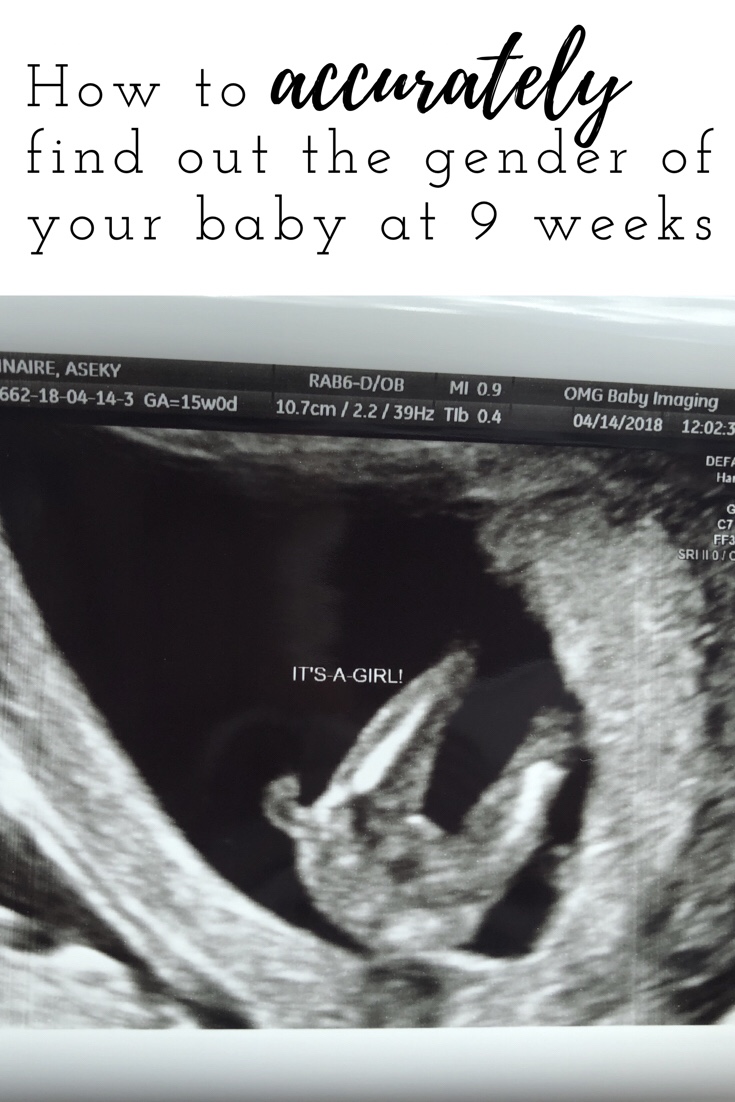
My experience and practical tips
I’ve supported many families through testing and reveals. I once advised a couple who took an early private blood test at 9 weeks that said “boy.” The anatomy scan at 19 weeks confirmed boy. The early test was accurate for them, but I always warn people that early tests vary. I’ve also seen confident ultrasound calls overturned when the baby was in an awkward position.
Practical tips
- Schedule the anatomy scan for 18–20 weeks for the best balance of detail and safety.
- If you want early certainty, discuss NIPT with your clinician at the 9–10 week visit.
- If the tech can’t see clearly, ask for a follow-up scan rather than a guess.
- For gender reveal parties, consider waiting for lab-confirmed results to avoid surprises.
Mistakes to avoid
- Don’t rely on nonvalidated urine tricks or guesswork.
- Don’t schedule invasive tests only for gender; know the risks.
- Don’t compare results across low-quality labs without checking reviews and credentials.
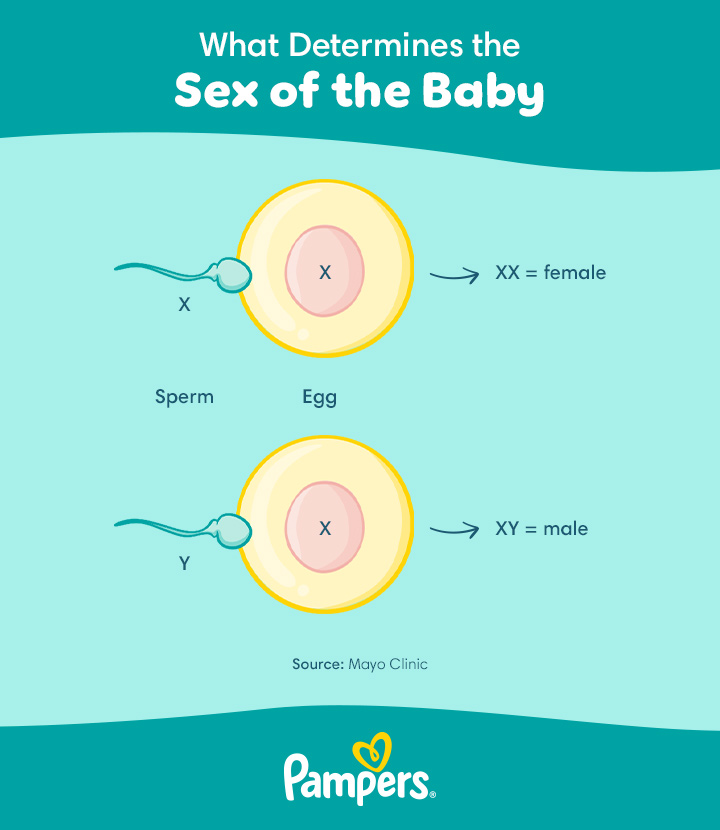
Source: pampers.com
Frequently Asked Questions of when can you find out the gender of a baby
When is the earliest reliable test to find out baby’s gender?
NIPT can reliably detect sex chromosomes from about 9 to 10 weeks. It is highly accurate but still considered a screening test.
Is the 20-week ultrasound the best time to learn gender?
Yes. The 18–20 week anatomy scan is the most common and reliable time to learn gender via ultrasound.
Can an ultrasound be wrong about gender?
Yes. Ultrasound can be wrong if the baby’s position hides the genitals or if the image is unclear. Mistakes are uncommon after 18 weeks but they do happen.
Are at-home gender tests accurate early in pregnancy?
Some at-home DNA tests from reputable labs can be accurate from about 7 to 10 weeks. Quality varies, so choose a trusted lab and understand it may not be diagnostic.
Should I have invasive testing just to know gender?
No. Invasive tests like CVS and amniocentesis carry small risks and are intended for genetic diagnosis, not just gender. Discuss the risks with your provider before deciding.
Conclusion
You can usually learn a baby’s gender by mid-pregnancy ultrasound at 18–20 weeks, or earlier with reliable noninvasive tests like NIPT, while invasive tests provide definitive answers when medically needed. Decide based on your needs, the test’s timing and accuracy, and medical advice. Take action by talking to your provider about timing and options, and plan your reveal only after you have a result you trust. If you found this helpful, share your questions below, subscribe for more prenatal guides, or book a consult with your care team to plan next steps.

Ashley Parker is a Content Strategist at HappyBabyHubs, where she creates trusted baby care guides, parenting tips, and honest product reviews. She is passionate about helping parents make informed decisions with clear, practical, and research-backed content for every stage of their parenting journey.